

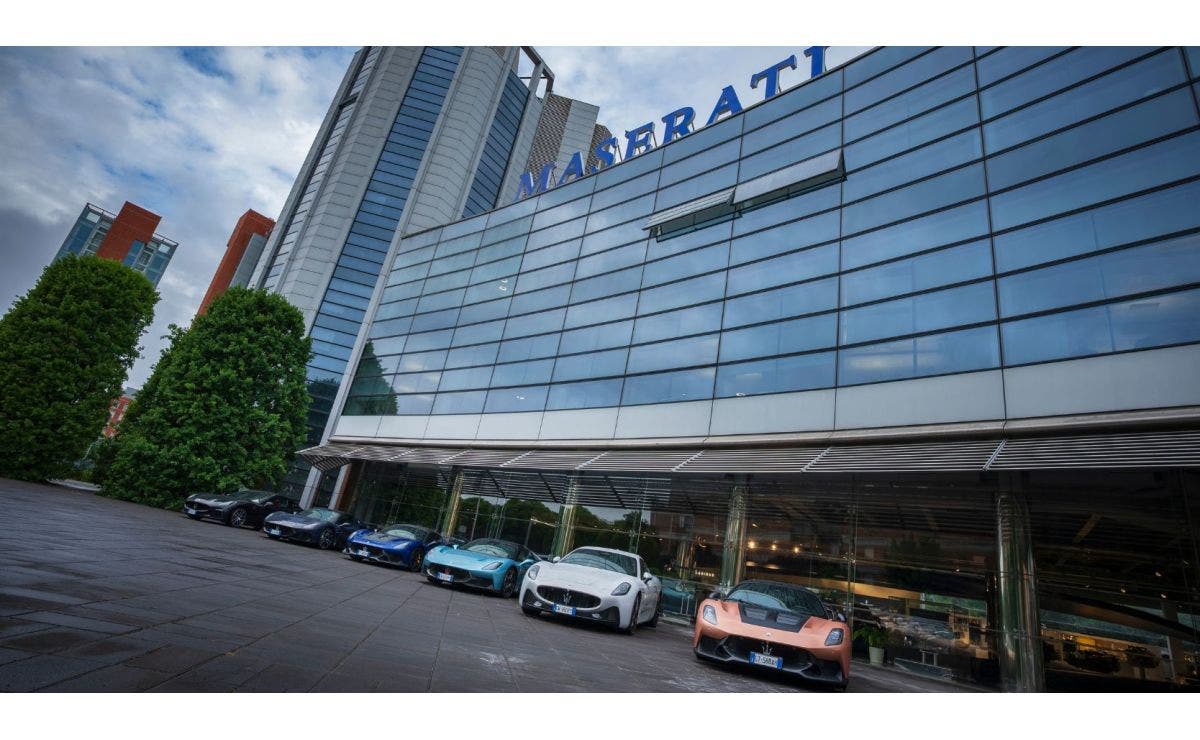
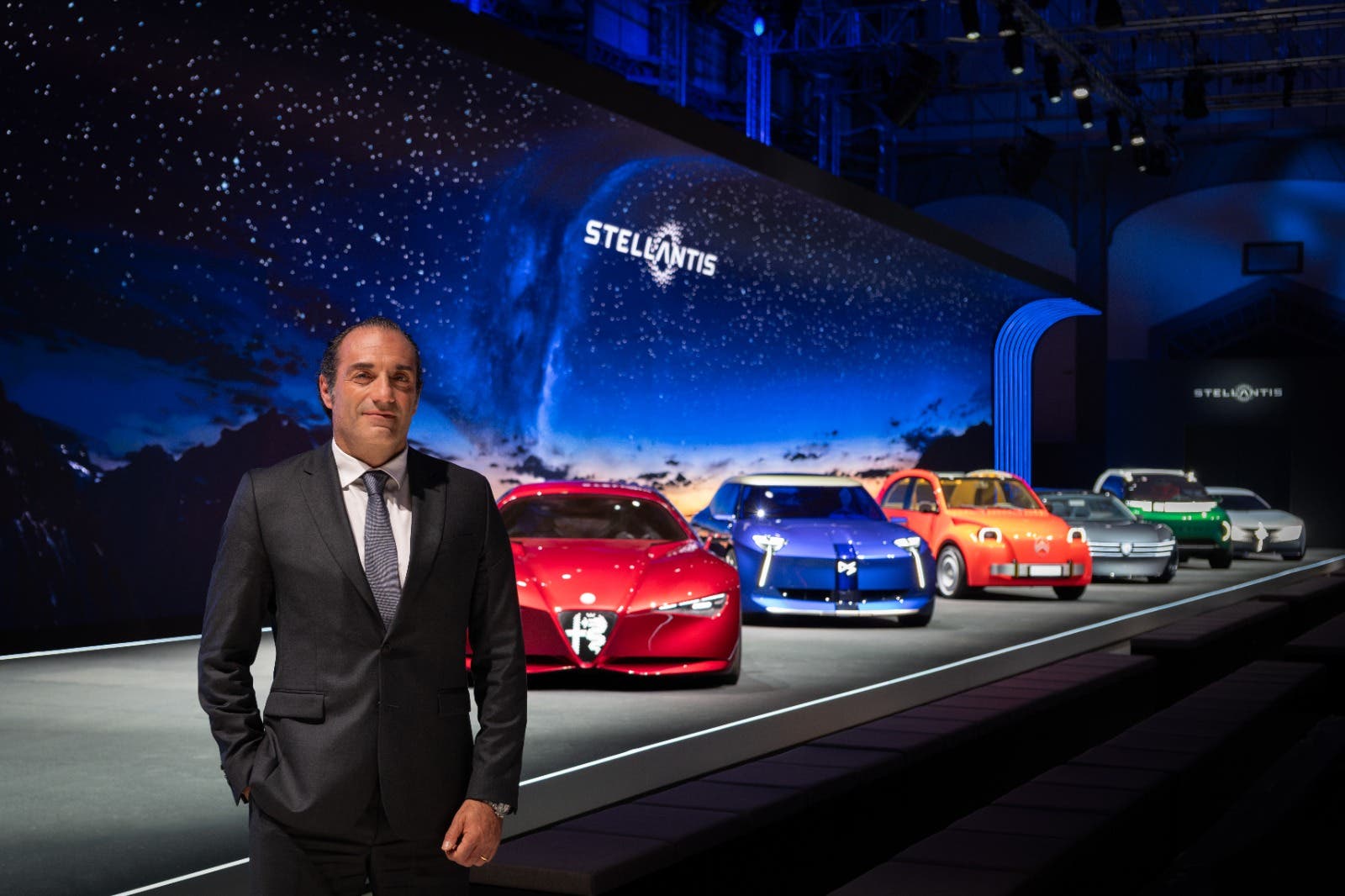
Stellantis intends to revive Maserati while keeping the luxury brand within the group. Antonio Filosa ruled out a sale of the Trident during an interview with Bloomberg Television at the Paris Motor Show and also dismissed the idea of separating Stellantis’ European and American operations. The group will therefore address Maserati’s sales difficulties within its broader strategy, with a key update coming in December when the company presents the brand’s new plan in Modena.
Stellantis CEO rules out Maserati sale and rejects geographic breakup
Filosa argues that Stellantis’ international structure creates advantages through shared technology. The company develops powertrains and electronic architectures for use across multiple brands and markets, allowing it to spread investments across a larger number of vehicles. Splitting the company geographically would change that structure and, in Filosa’s view, eliminate some of those industrial benefits.
Keeping all 14 brands does not mean Stellantis will divide resources equally among them. Jeep, Ram, Peugeot and Fiat, together with the Pro One commercial vehicle business, will receive a larger share of investment. The remaining brands will need clearly defined market positions and sufficiently distinctive products to avoid competing for the same customers within Stellantis.
Maserati now needs to define precisely that role after months of declining sales raised questions about its ownership and future lineup. The FaSTLAne 2030 plan includes two new E-segment Maserati models, but the December presentation will need to explain how they fit into the turnaround and what investment Stellantis plans to support their development.
Closer cooperation with Alfa Romeo represents one possibility. Shared engineering work and expertise could help reduce costs while allowing the two Italian brands to give their vehicles clearly different identities. The announcements expected in Modena should also provide more clarity for Maserati’s manufacturing operations and dealer network.
Filosa also sees partnerships as a way to make better use of European factories that currently operate below capacity. Collaborations with Leapmotor and Dongfeng form part of that approach as Stellantis looks for additional production and new expertise in electrification. The CEO views factory sharing as one way to keep those plants active while improving their utilization.
Stellantis ended 2025 with a €22.3 billion net loss, largely driven by €25.4 billion in unusual charges linked to the company’s strategic reset. Filosa now says the group has crossed back into profitability as management works to improve execution and restore growth.
His latest comments remove one major question surrounding Maserati: Stellantis does not plan to sell the brand. Attention now shifts to the December presentation in Modena, where the company will outline the products, investments and strategy it believes can put Maserati back on a stronger path.