In the quiet corridors of Modena, the legendary scent of fine leather and racing heritage is being subtly replaced by the dry ink of Chinese corporate contracts. Press reports out of China are virtually certain: Maserati is hammering out agreements with Huawei and state-owned automaker JAC to co-develop its next generation of electric vehicles.
Specifically, the partnership targets a new electric SUV to replace the Grecale Folgore and a fresh coupe to inherit the mantle of the GranTurismo Folgore. This operation smells like a frantic SOS for survival.
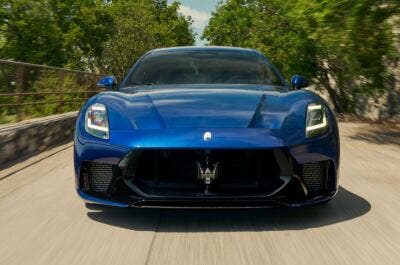
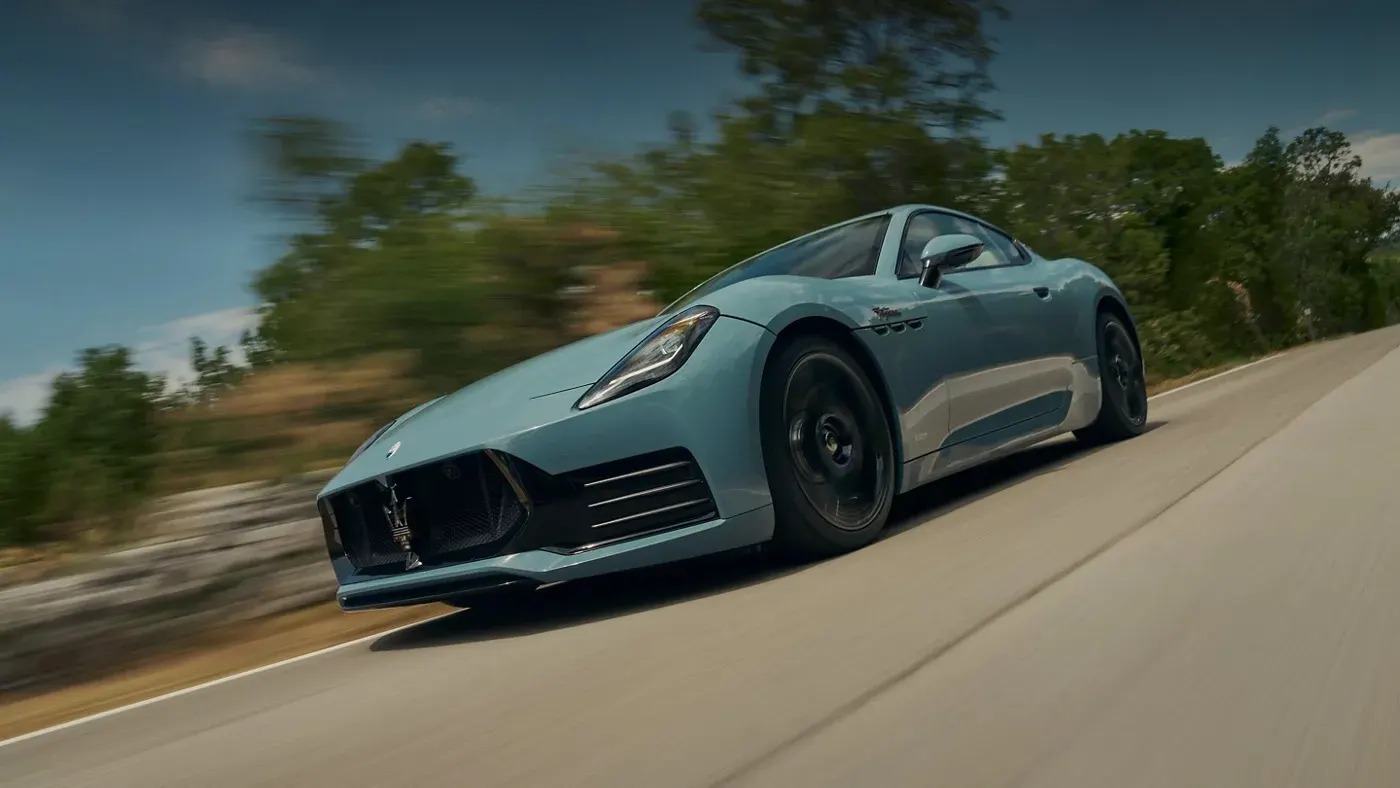
To appreciate the sheer irony, look at what Maserati currently brings to the table. The existing GranTurismo Folgore is an absolute engineering marvel. Pumping out 761 HP from three electric motors, it rockets from 0 to 100 km/h in a neck-snapping 2.7 seconds, maxes out at 325 km/h, and claims 542 kilometers of range from a 92.5 kWh battery wrapped in an advanced 800-volt architecture capable of 270 kW fast charging. It is a tour de force and it costs roughly $200,000. Yet, the upcoming Chinese-backed successor should somehow top all those figures while remaining firmly within that same price range.
Under the proposed arrangement, state-owned JAC will manufacture the body and chassis in China before shipping the rolling shells to Italy, where Modena workers will perform final assembly—just enough wrench-turning to legally justify an Italian license plate.
Meanwhile, tech giant Huawei will supply its HIMA platform, complete with the Qiankun autonomous driving system, electric powertrain modules, and a smart cockpit. What remains of Maserati’s soul? Just the exterior styling. This seems the single asset the Italians refused to sign away.
Commercial reality, however, leaves Maserati with zero bargaining power. In 2025, the Trident delivered 7,900 vehicles worldwide, a brutal 43% collapse from 11,300 units in 2024 and its absolute worst performance in fifteen years. Developing fresh platforms in-house takes time and money Maserati simply does not have. China offers both at warp speed.
Hilariously, the primary target markets for these Chinese-made Italian thoroughbreds are the Middle East, Germany, France, and Italy, effectively outsourcing production to China while choosing not to sell them there.