

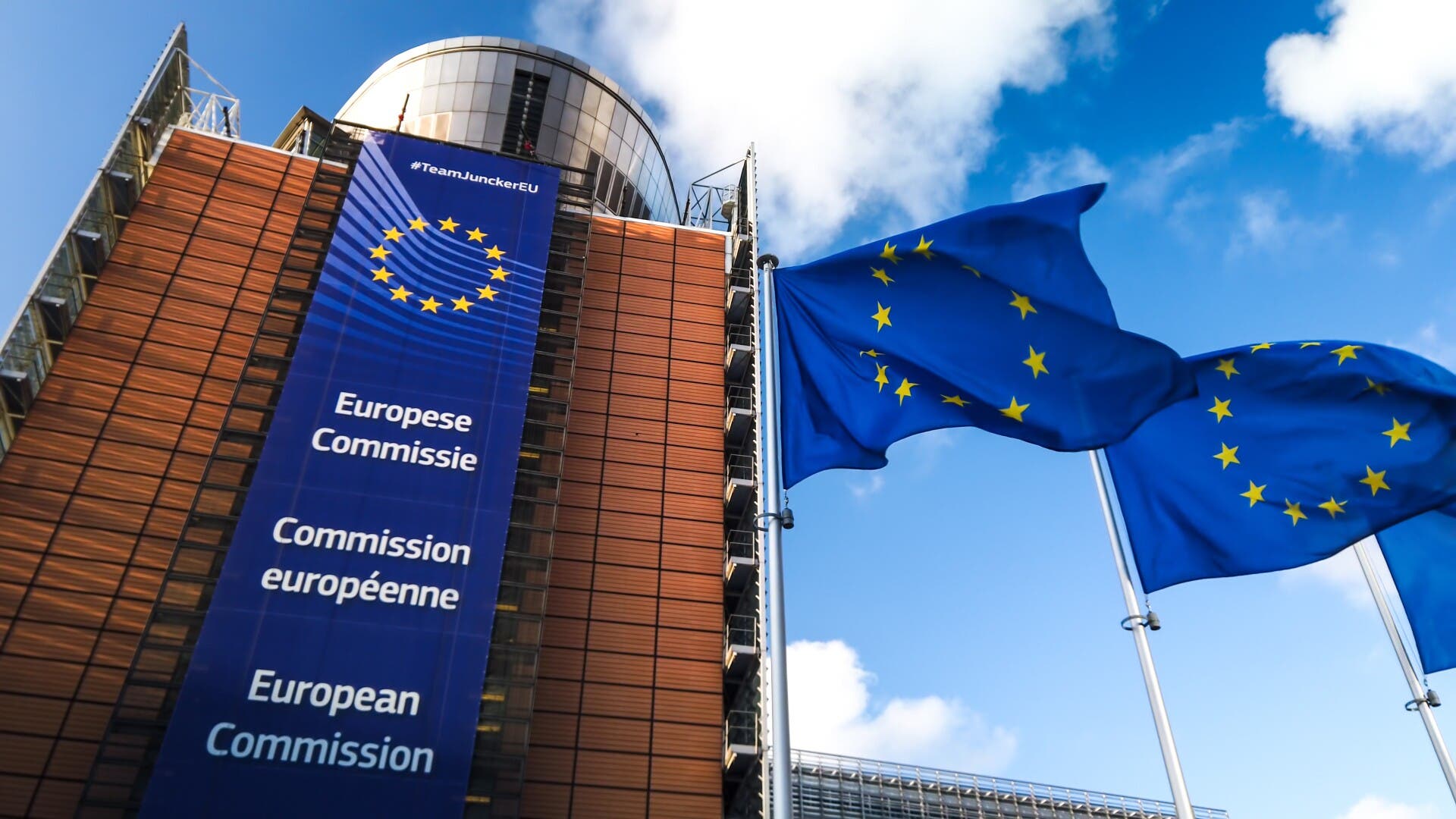
Brussels has quietly admitted that killing off internal combustion by 2035 might have been a bit ambitious. Key negotiators from the European Parliament’s top political factions, the EPP, S&D, and Renew Europe, have hammered out a compromise on CO2 emission standards and the Industrial Accelerator Act, effectively giving traditional engines a stay of execution while keeping electric vehicles on a polished pedestal.
Fresh on the heels of a Franco-German agreement, this new parliamentary consensus scales back the proposed 100% CO2 reduction target for new cars by 2035 down to 87.5% relative to 2021 levels. Automakers can even shave off another 7.5% using regulatory credits for EU-produced low-emission steel, bringing the total reduction target to 95%. That leaves a crucial 5% loophole for non-electric powertrains to keep breathing.
It is a subtle shift from the European Commission’s original 90% draft, which relied on alternative fuels and green steel to fill the gap, but the message is clear: gas isn’t dead yet.
Starting in 2030, carmakers can register non-standard vehicles powered entirely by renewable fuels, including biofuels. By 2033, that privilege narrows strictly to advanced biofuels and synthetic e-fuels. Intermediate targets for 2030 are getting a dose of reality, too: compliance will be calculated over a three-year average (2029–2031) rather than a high-stakes single-year sprint.
Meanwhile, light commercial vehicles get target reductions of 35% in 2030 and 80% in 2035, a relief for Stellantis CEO Antonio Filosa, whose van empire (Fiat Professional, Peugeot, Citroën, Opel) and Italian manufacturing plants like Atessa desperately needed this breathing room.
For heavyweights like Stellantis, Volkswagen, and Renault, this compromise offers essential flexibility to sell gas, hybrid, and electric models while fending off aggressive Chinese EV rivals with smaller, subsidized city cars.
Socialists insist this is merely a limited leash, not a total free-for-all. With committee votes set for Thursday, October 22, and negotiations with the EU Council ahead, the EU hasn’t quite scrapped its green dream. It has just decided to let gas engines tag along for the ride a little longer.