

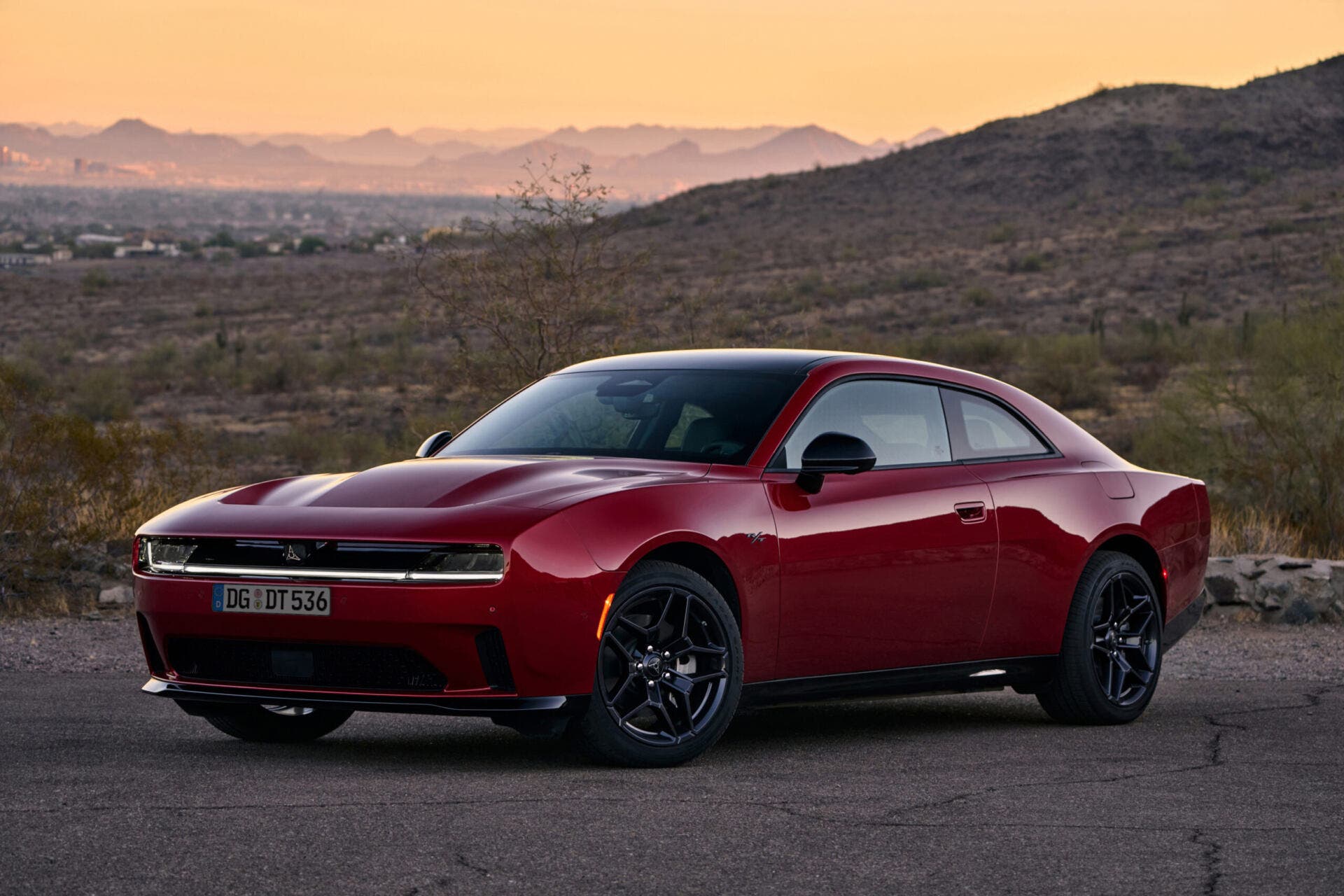
A combustion engine powered 93.7% of the Dodge Chargers sold in the United States during the third quarter of 2026. Gasoline versions accounted for 3,446 units, compared with just 233 electric Daytona models, which represented only 6.3% of the total. The battery-powered range therefore lost ground just as Dodge expanded its gasoline offering.
Dodge Charger buyers overwhelmingly choose gasoline as Daytona sales collapse
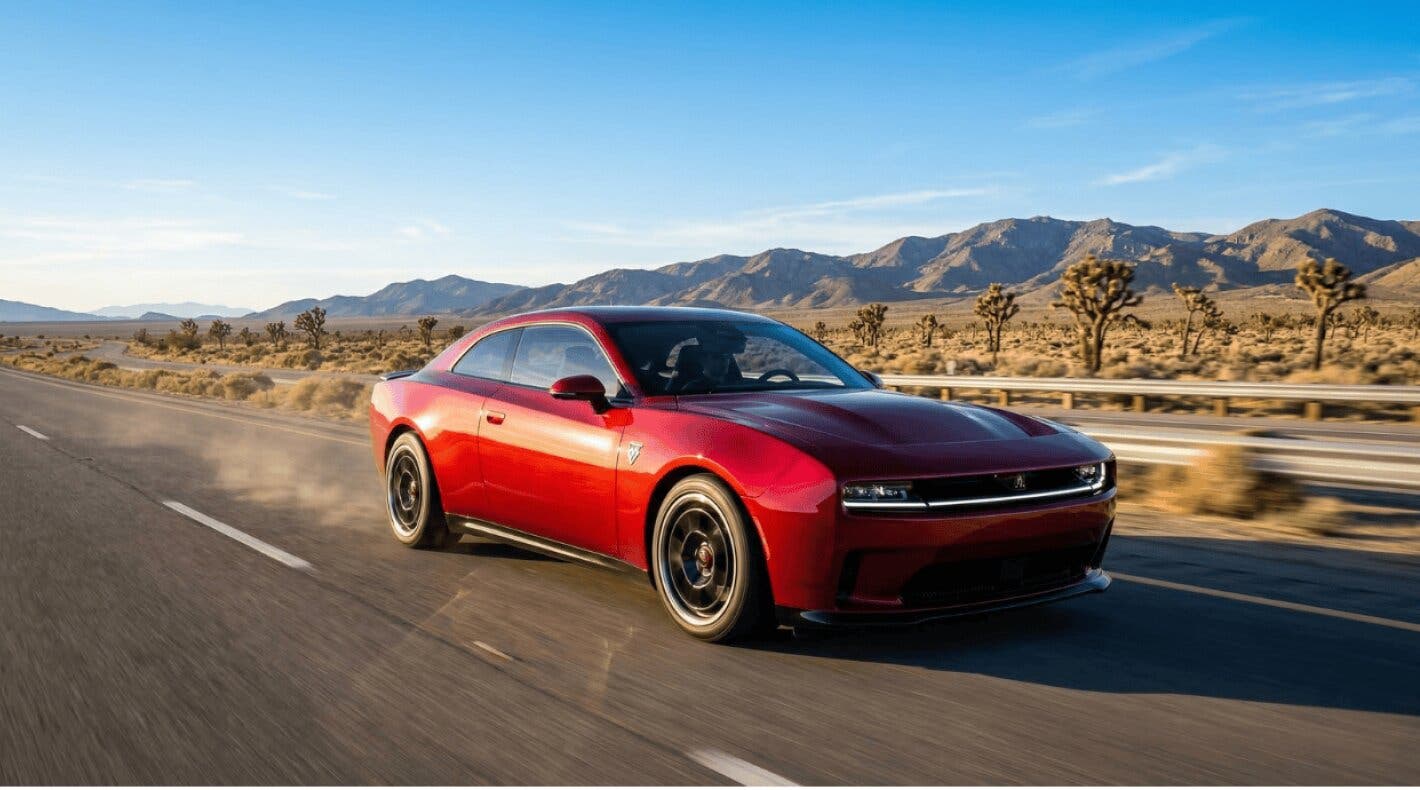
Compared with the 2,776 Daytona units sold in the third quarter of 2025, sales fell 91.6%. The picture remains weak over the January-to-September period, with 767 electric models versus 8,029 combustion-powered Chargers. Gasoline versions therefore represented 91.3% of the 8,796 cars counted across the two categories during the first nine months of the year.
The U.S. figures come at a time when Dodge offers two interpretations of the new Charger, both available with either two or four doors. The SIXPACK uses a 3.0-liter twin-turbo Hurricane inline-six in R/T and Scat Pack form, producing 420 and 550 hp respectively, or about 426 and 558 PS.
The Daytona Scat Pack counters with an electric system producing 670 hp, equivalent to around 680 PS, when using the PowerShot function. Dodge quotes a 0–60 mph time of 3.3 seconds, compared with 3.9 seconds for the gasoline Scat Pack. Both versions also feature all-wheel drive, while the SIXPACK allows drivers to select rear-wheel-drive operation.
Pricing for the 2027 model year places the electric version at a much higher entry point. The two-door Charger R/T starts at $49,995 and the Scat Pack at $54,995, compared with $72,495 for the Daytona Scat Pack. These are U.S. base prices before taxes and applicable fees. The gap between the two Scat Pack versions therefore reaches $17,500.
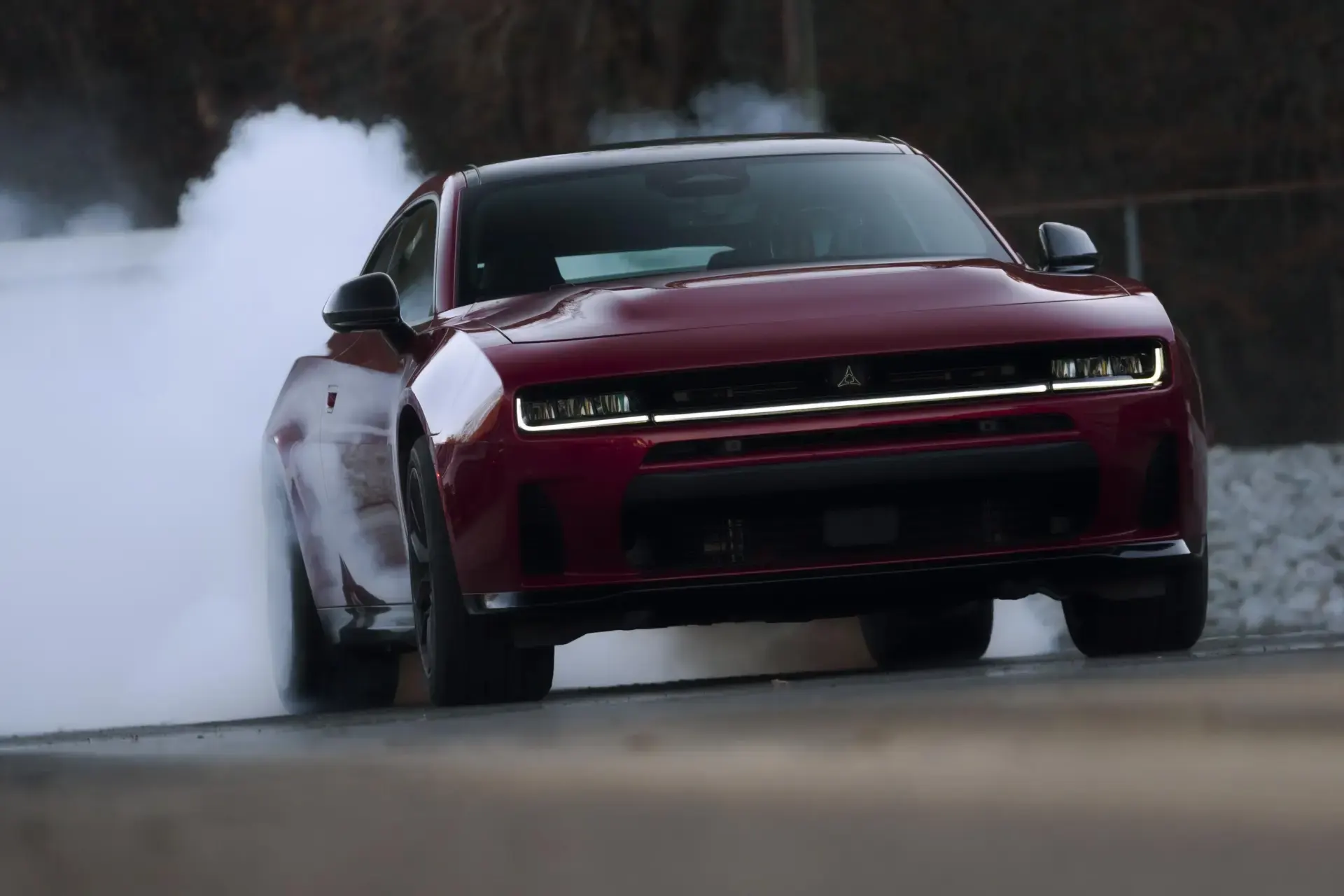
The end of federal incentives also weighs on the market, after buyers brought purchases forward before September 30, 2025. U.S. EV sales fell 39.5% overall in the third quarter of 2026, although that decline remains much smaller than the one recorded by the Daytona.
Antonio Filosa addressed this shift in Paris on October 13, arguing that electrification will still find room to grow in the United States through a slower transition than in other markets. Dodge continues to update its electric offering in the meantime, adding a NACS port and access to the Tesla Supercharger network for the 2027 Daytona.