

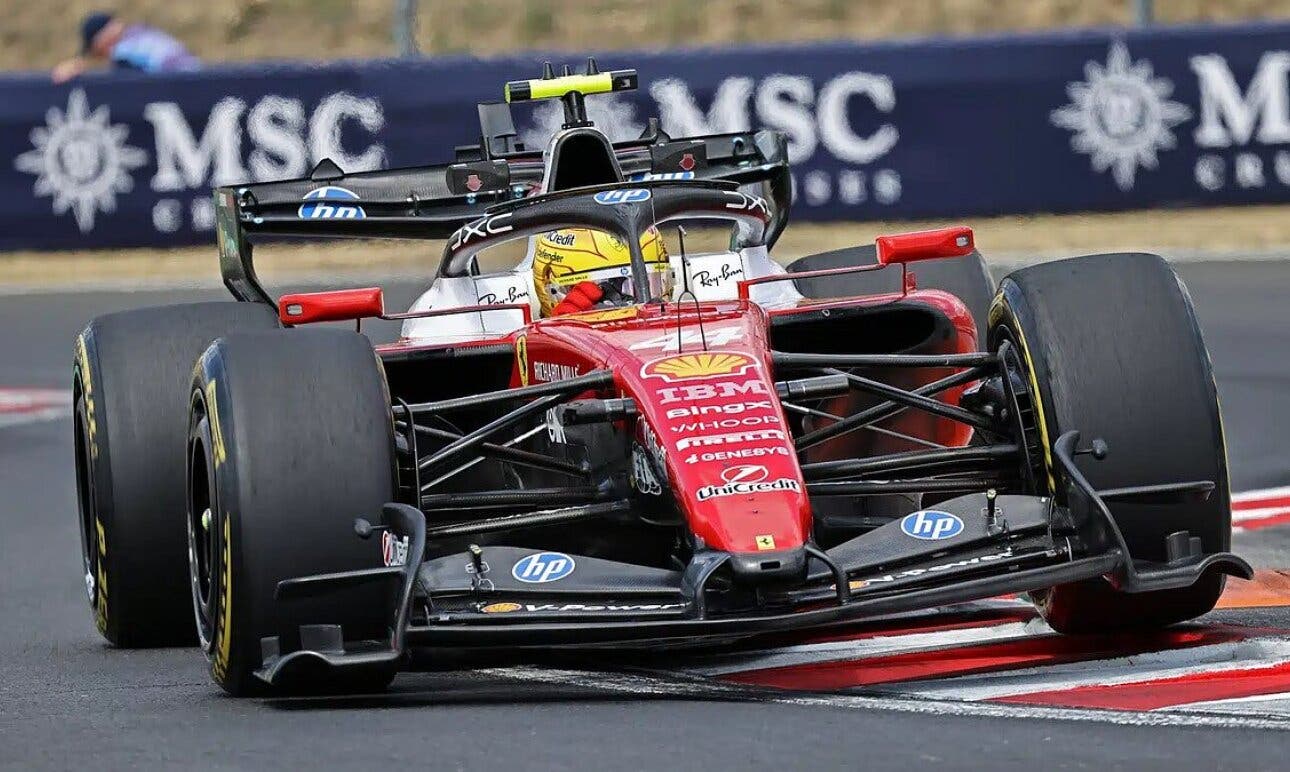
Before Maranello became the undisputed Mecca of million-dollar supercars and dramatic Formula 1 pit wall memes, Scuderia Ferrari had a remarkably humble job description: glorified logistics and racing support for someone else’s brand.
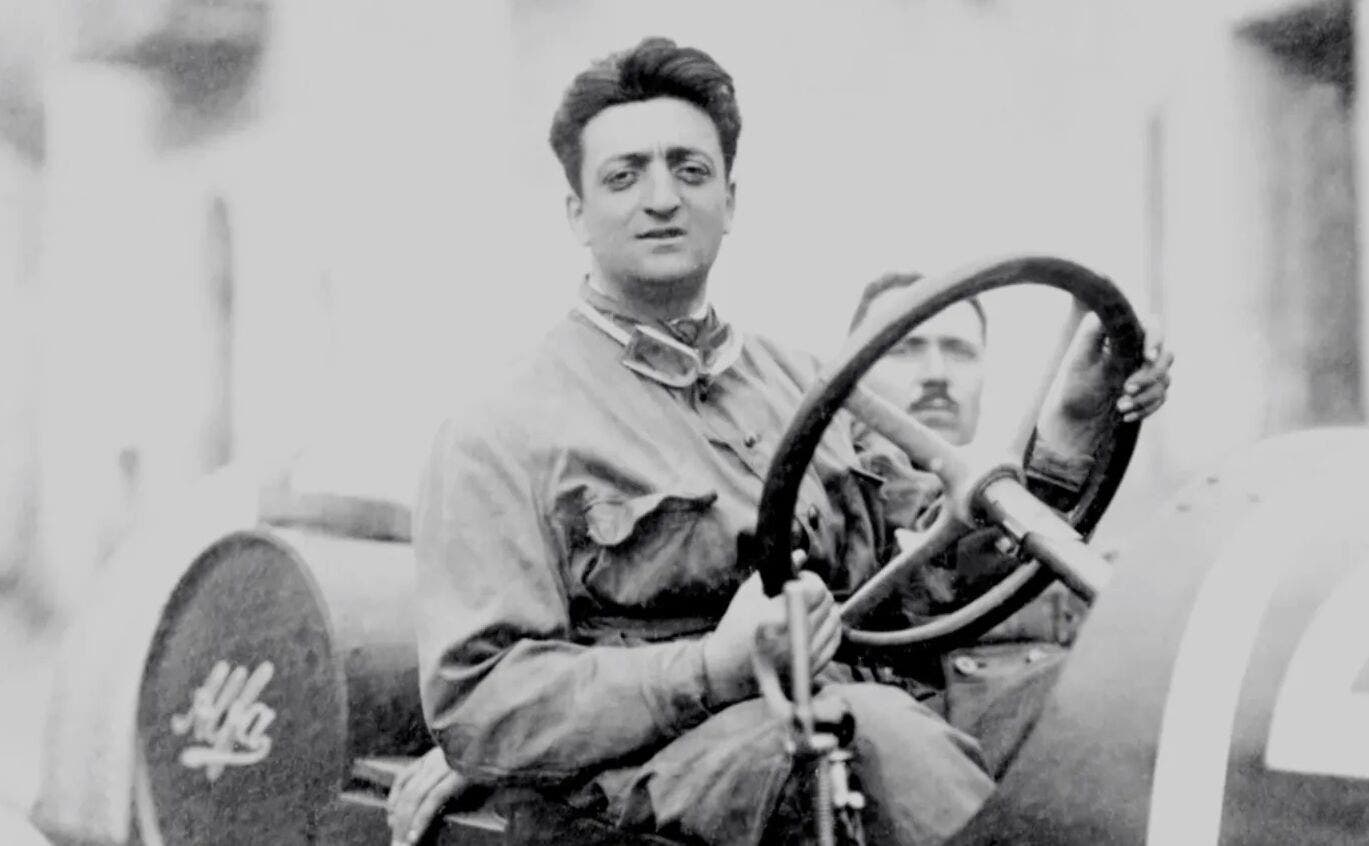
On November 16, 1929, coincidentally the exact birthday of legendary “Flying Mantuan” driver Tazio Nuvolari, born in 1892, Enzo Ferrari walked into a Modena notary’s office with Alberto Della Fontana to incorporate Società Anonima Scuderia Ferrari. Operating out of Viale Trento e Trieste, the team didn’t build a single bolt of its own cars. Instead, it existed purely to help wealthy racing members compete, functioning from 1931 to 1937 as Alfa Romeo’s de facto factory racing department.
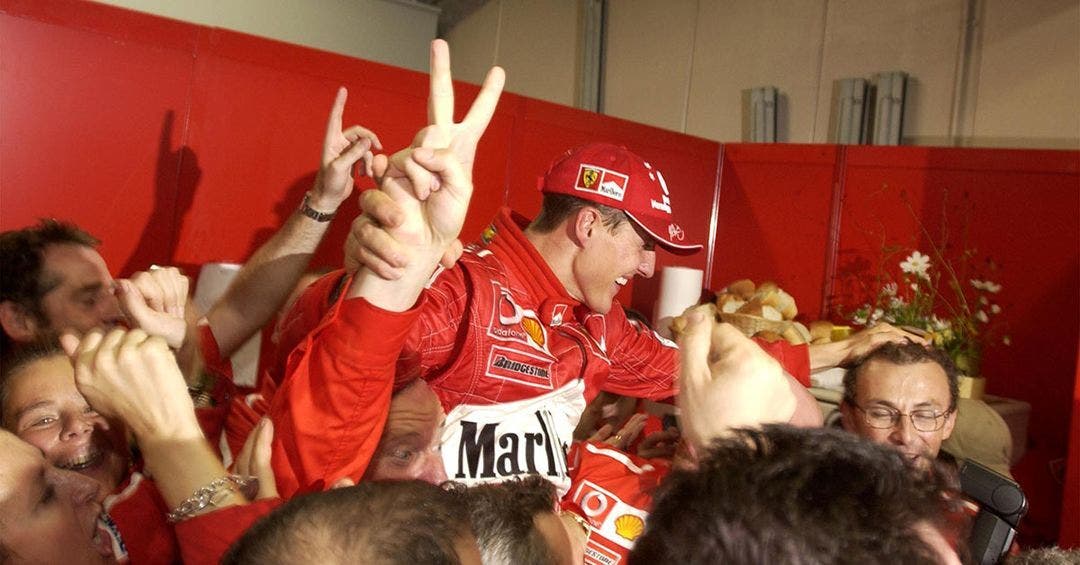
Fast-forward 97 years, and that modest racing club has snowballed into the most decorated powerhouse in motorsport history. While its name is practically synonymous with Formula 1, boasting 15 Drivers’ Championships, 16 Constructors’ titles, and 250 Grand Prix victories since the series began in 1950, the Prancing Horse has been equally ruthless with fenders on.
Ferrari dominated endurance racing’s golden era with eight World Sportscar Championship titles (1953, 1954, 1956, 1957, 1958, 1960, 1961, and 1972), racking up iconic trophies at the 24 Hours of Le Mans, Daytona, Sebring, the Targa Florio, and the Mille Miglia.
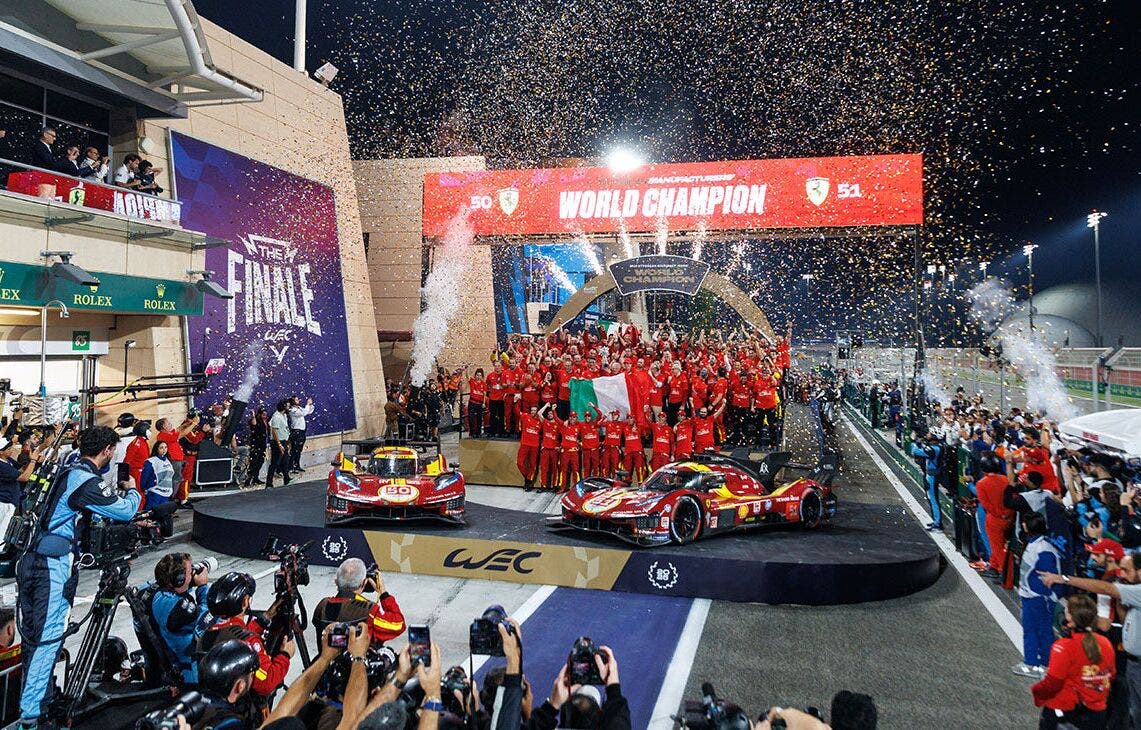
After a half-century hiatus from the top prototype class, Maranello even reclaimed the 2025 FIA WEC Hypercar Constructors’ crown with the 499P, a machine still busy collecting hardware, as proven by its back-to-back 1-2 finishes at Paul Ricard in the Asian Le Mans Series opener.
Of course, none of this empire-building would have happened without a classic Italian corporate feud. Despite years of shared glory, Enzo Ferrari clashed bitterly with Alfa Romeo’s Spanish chief engineer, Wilfredo Ricart, prompting the Commendatore to walk away and build his own machines.
Shackled by a four-year non-compete clause banning him from using his own surname on a car, Enzo slyly founded Auto Avio Costruzioni to build the 815. The moment the legal handcuffs came off in 1947, he unleashed the 1.5-liter, twelve-cylinder 125 S from Maranello, promptly eclipsing Alfa Romeo, the “ungrateful mother” that started it all, and cementing Ferrari as the ultimate status symbol on both track and street.