

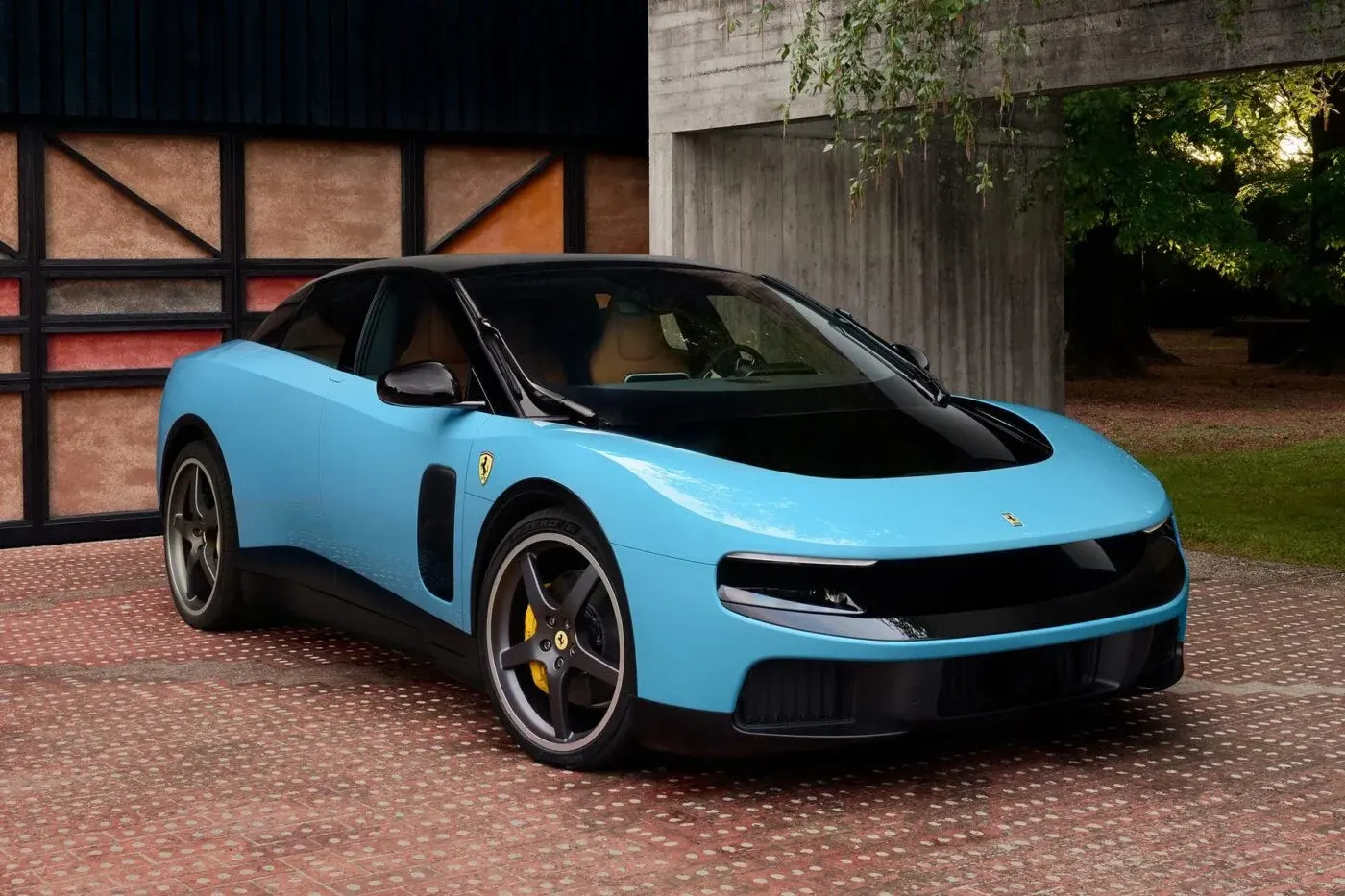
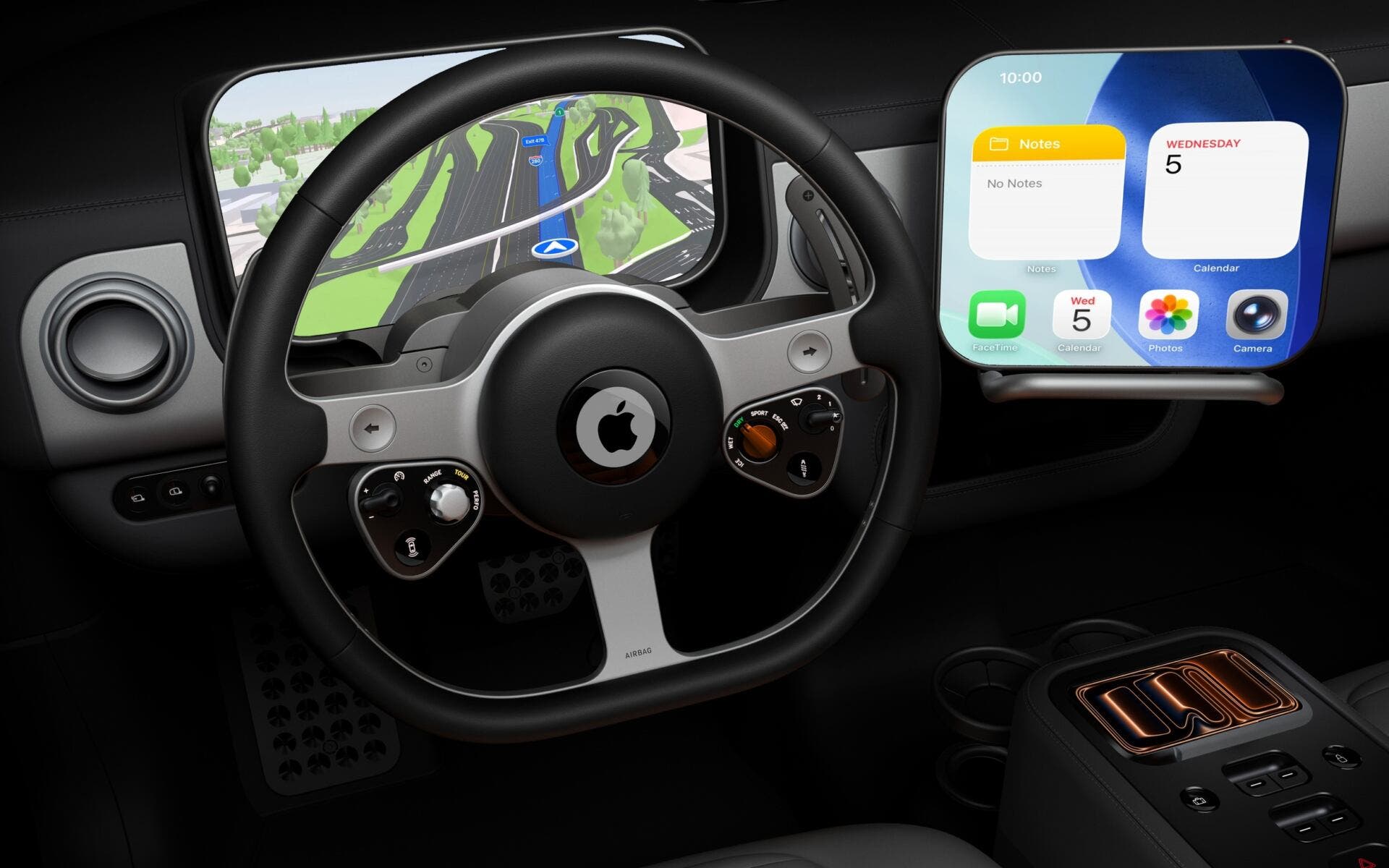
Ferrari developed the Luce together with LoveFrom, the design studio founded by Jony Ive and Marc Newson, which worked on both the body and interior of Maranello’s first electric car. Inside, the collaboration also shaped the way the driver and passenger interact with the controls. Physical buttons on the dashboard handle temperature and ventilation, while the touchscreen sits on a pivot that allows either occupant to angle it toward themselves.
Ferrari Luce interior combines Jony Ive design with unusual physical controls
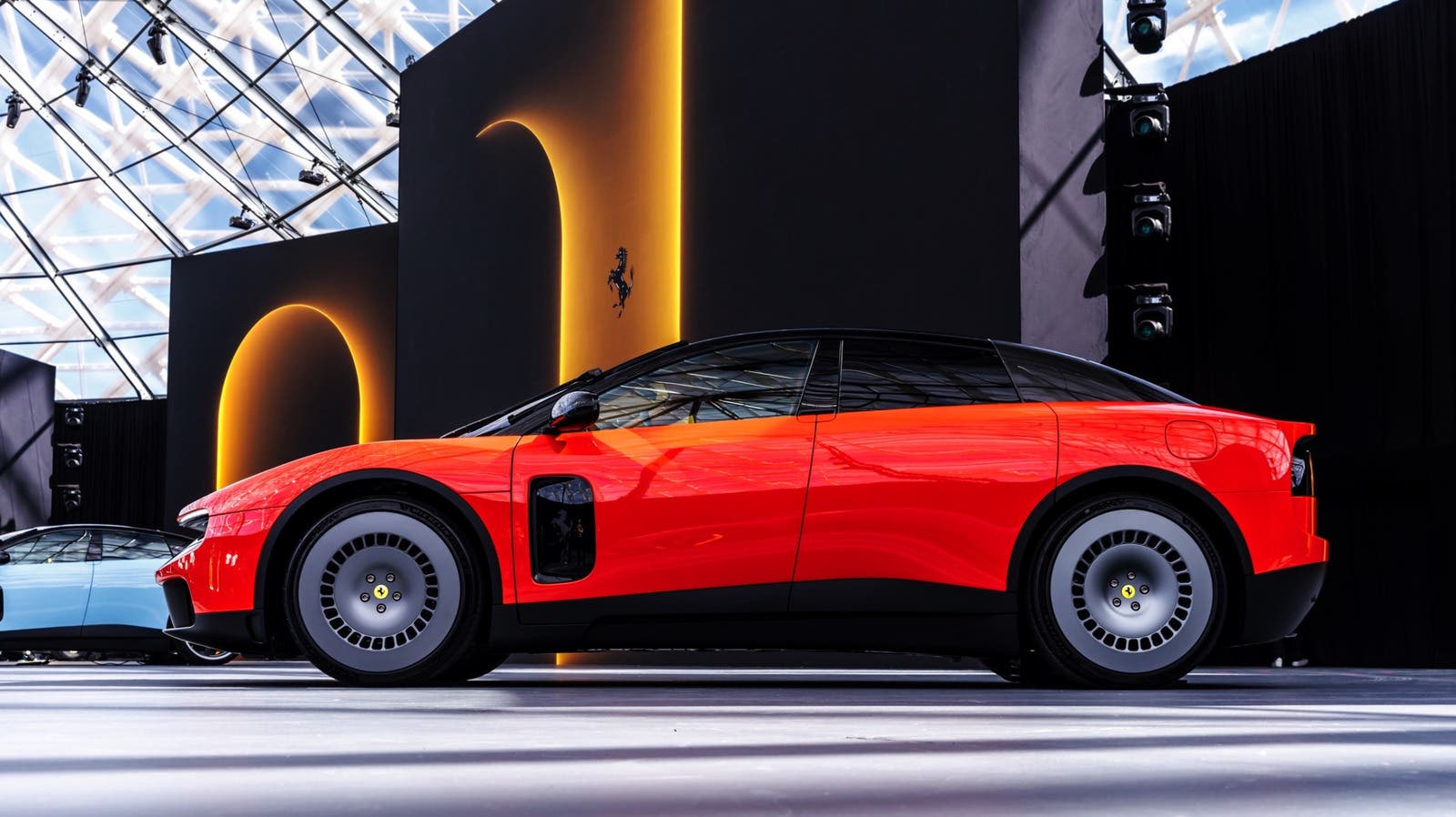
An aluminum grip beneath the display lets users reposition the screen and also provides a place to rest their hand. During a trip, the passenger can turn the display toward their side to change music or enter a destination. The touchscreen also provides access to more detailed climate settings, while seat heating and ventilation retain dedicated physical controls.
On the center tunnel, next to the gear selector, Ferrari has added a magnetic holder for the key. When the driver places the key in its slot, an e-ink surface changes from yellow to black. At the same time, yellow reappears on the instrument cluster, the center panel comes to life and the gear selector unlocks. The display in front of the driver also combines physical and digital elements, with a central needle accompanied by speed and battery-charge information.
To prepare the Luce for maximum acceleration, the driver pulls a ring mounted in the overhead console. Inspired by aircraft controls, the mechanism activates Launch Mode, adjusting torque delivery and stability systems to make use of the additional performance available. The instrument display changes to orange and expands its scale to show the higher power output. Ferrari claims 0-100 km/h, or 0-62 mph, in 2.5 seconds and 0-200 km/h, or 124 mph, in 6.8 seconds.
Ferrari expects to begin Luce deliveries by the end of 2026, while customer road tests are scheduled for early 2027. In November, CEO Benedetto Vigna said Ferrari had already allocated every Luce it expects to sell during 2027.