

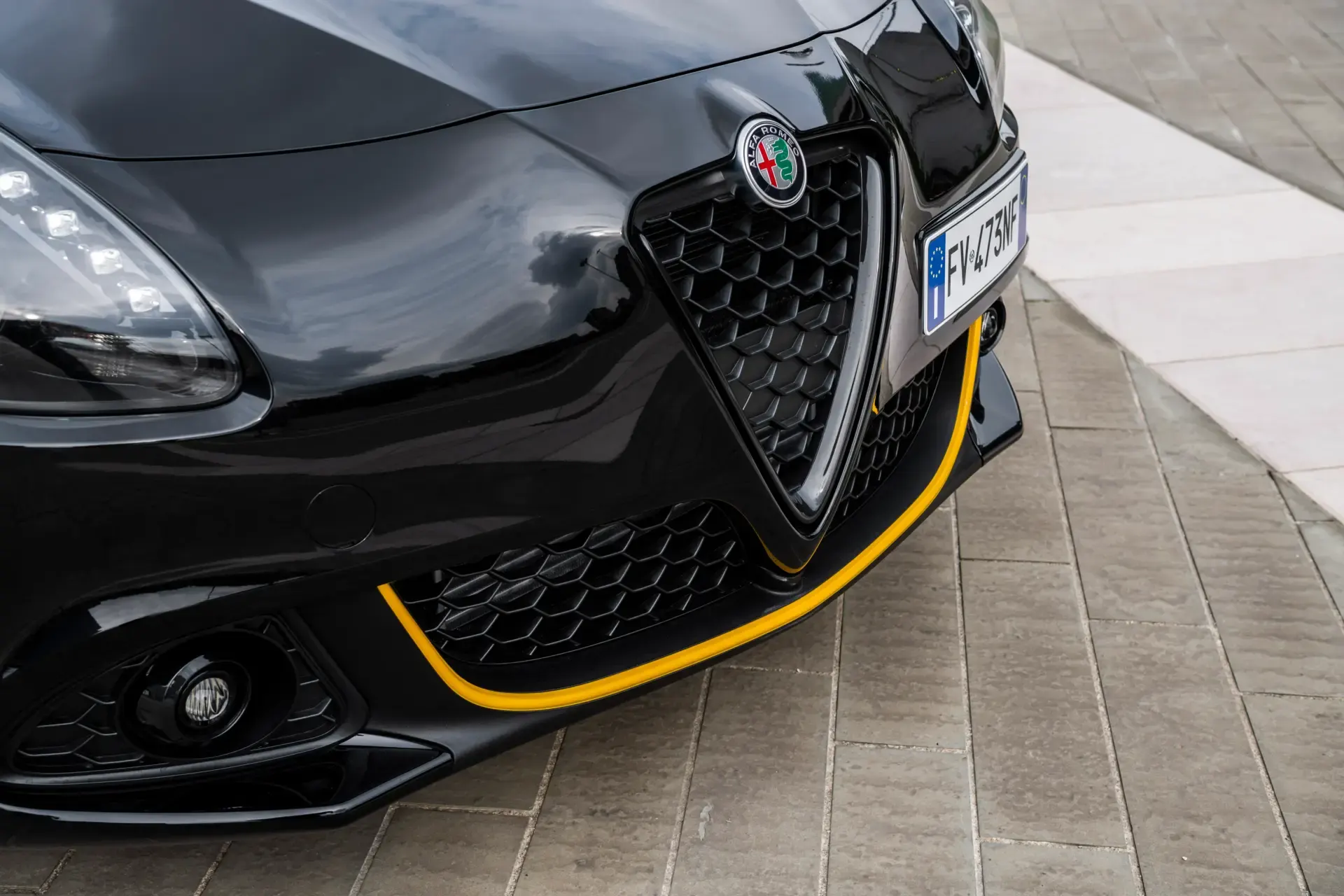
Alfa Romeo CEO Santo Ficili has laid out a revamped product roadmap that proves one thing: fully electric rigid mandates look great in powerpoint slides, but market realities hit differently. Speaking on the design cues of the Cuorerosso concept, Ficili confirmed that its aggressive styling language will filter across upcoming crossovers.
The brand’s immediate focal point is a new C-D segment SUV targeted for early 2028, engineered to blend Stellantis components with genuine Alfista DNA, think bespoke steering, sharp brakes, tuned suspension, and distinctive interiors.
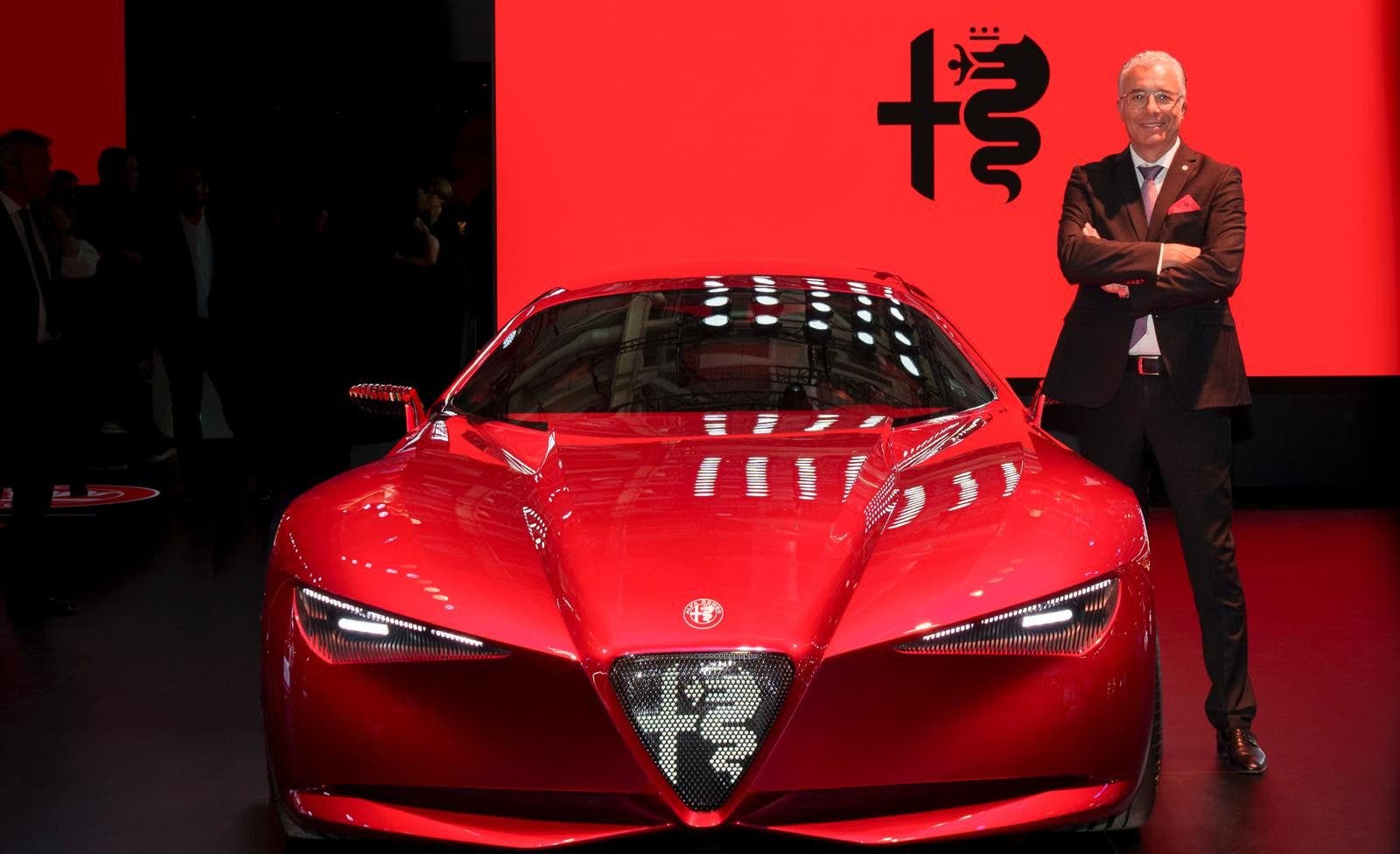
While Ficili cheekily defended Stellantis’ overhauled 1.2-liter three-cylinder turbo engine for its improved performance and reliability, he carefully refrained from confirming whether it will actually power this new Italian crossover.
Meanwhile, the iconic Giulietta badge is making a comeback, though purists might want to brace themselves. Rather than a low-slung traditional hatchback, the internal “Giulietta” project is evolving into a semi-raised crossover sitting comfortably between classic C-segment cars and compact SUVs to accommodate battery packaging and raised driving position demands.
On the flip side, the next-generation Giulia and Stelvio are undergoing a total strategy overhaul. Initially slated to launch strictly as EV-only replacements, lukewarm global market demand has forced Alfa Romeo to hit the pause button. Current Giulia and Stelvio production results now extended through at least late 2027 while management re-evaluates multi-energy powertrain options and profit margins before committing to new builds.
Globally, the compact Junior crossover carries the volume, serving 45 out of Alfa Romeo’s 75 global markets, though Europe, and specifically Italy, still claims 80% of total sales. Ficili sees key expansion opportunities in Taiwan, Mexico, and Japan to balance out regional dependence.
Over at Maserati, the top priority is developing an E-segment successor to the Levante, with crossover or shooting brake bodystyles still under review. However, shared roots won’t automatically yield twin models: Ficili emphasized that distinct platform evolutions, driving heights, and suspension setups mean future Levante and Stelvio projects will maintain separate identities.