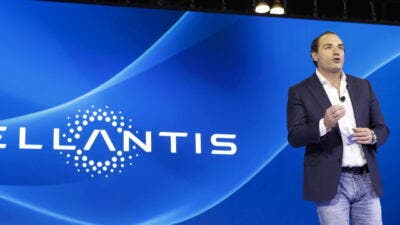
Stellantis was formed on January 16, 2021 through the merger between PSA Group and Fiat Chrysler Automobiles under the chairmanship of John Elkann. Carlos Tavares led the company’s operations until June 2025, when Antonio Filosa took over. Five years after the creation of the group, the situation of its American brands reflects a complex transition, with lineups still evolving and a market that operates with dynamics very different from Europe.
Five years of Stellantis: successes, challenges and the future of its U.S. brands
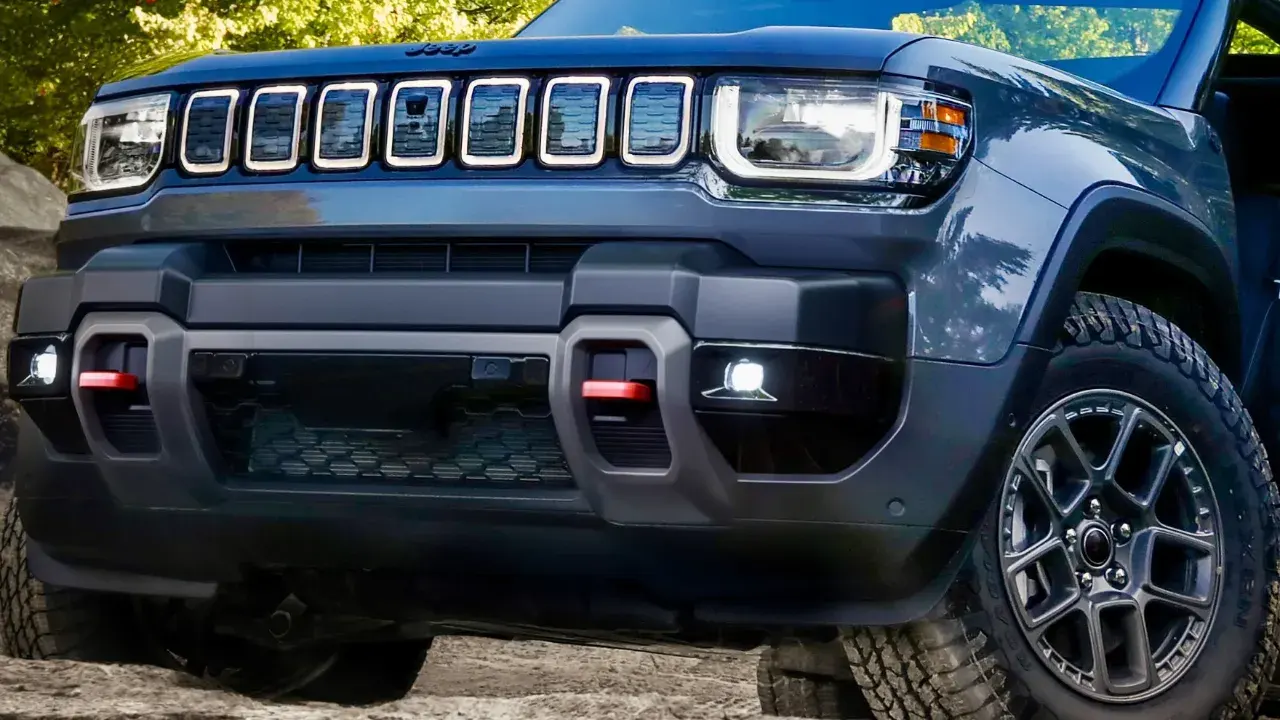
Jeep appears to have handled the post-merger phase better than several other brands in the group. The brand entered new segments and expanded into electrification with models such as the Jeep Avenger, Jeep Compass, Jeep Wagoneer S and Jeep Recon while preserving its adventurous identity and strong link to the SUV world. However, the lineup continues to diverge between Europe and North America. In Europe the brand could face additional challenges because of the upcoming Euro 7 emissions standard and increasing pressure on emissions. In this environment models such as the Jeep Grand Cherokee and the Jeep Wrangler have already left the European market, although the European Union later softened parts of the post-2035 regulatory framework.
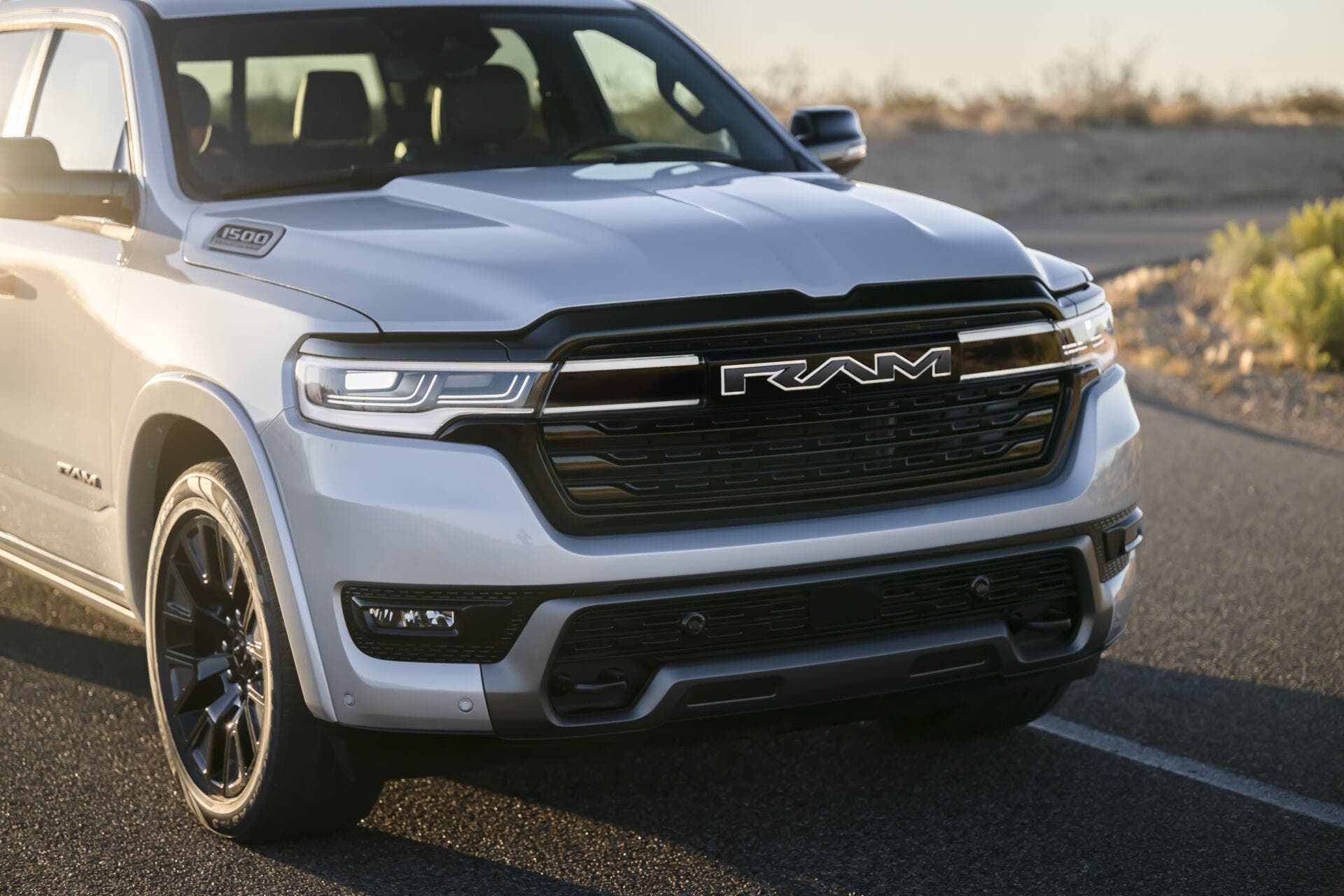
Ram continues to operate with greater stability in the United States, where the transition to electric vehicles moves forward at a slower pace. The brand is preparing the launch of the Ram 1500 REV based on the STLA Frame architecture with range-extender technology. At the same time Ram maintains a strong lineup of combustion-engine pickups that remain highly valued by American customers, in a segment where volumes and margins stay among the most important for the entire group.
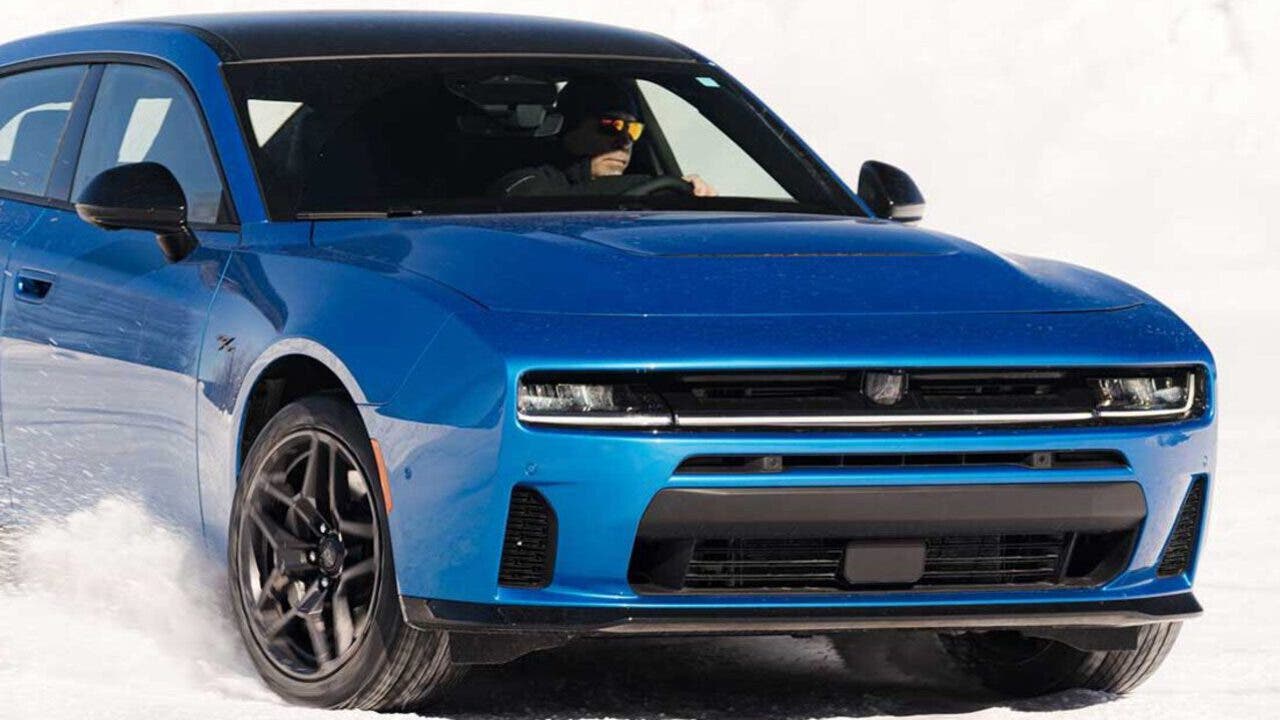
Dodge replaced the historic Dodge Charger and Dodge Challenger with a new generation of Charger offered in two-door and four-door forms on the STLA Large architecture. The model debuted first as an electric vehicle and later gained a six-cylinder combustion version better aligned with American preferences. Even with that adjustment, U.S. sales for the brand fell 28% between 2024 and 2025.
The numbers highlight a lineup that still struggles to match its core market. The Dodge Durango still relies on a generation introduced in 2011, while the Dodge Hornet, a twin of the Alfa Romeo Tonale, entered the lineup mainly to lower average emissions rather than to deliver major sales growth. As a result the brand now sits in an awkward position between relaunching the muscle-car image and lacking a modern SUV that can compete in the most profitable segment.
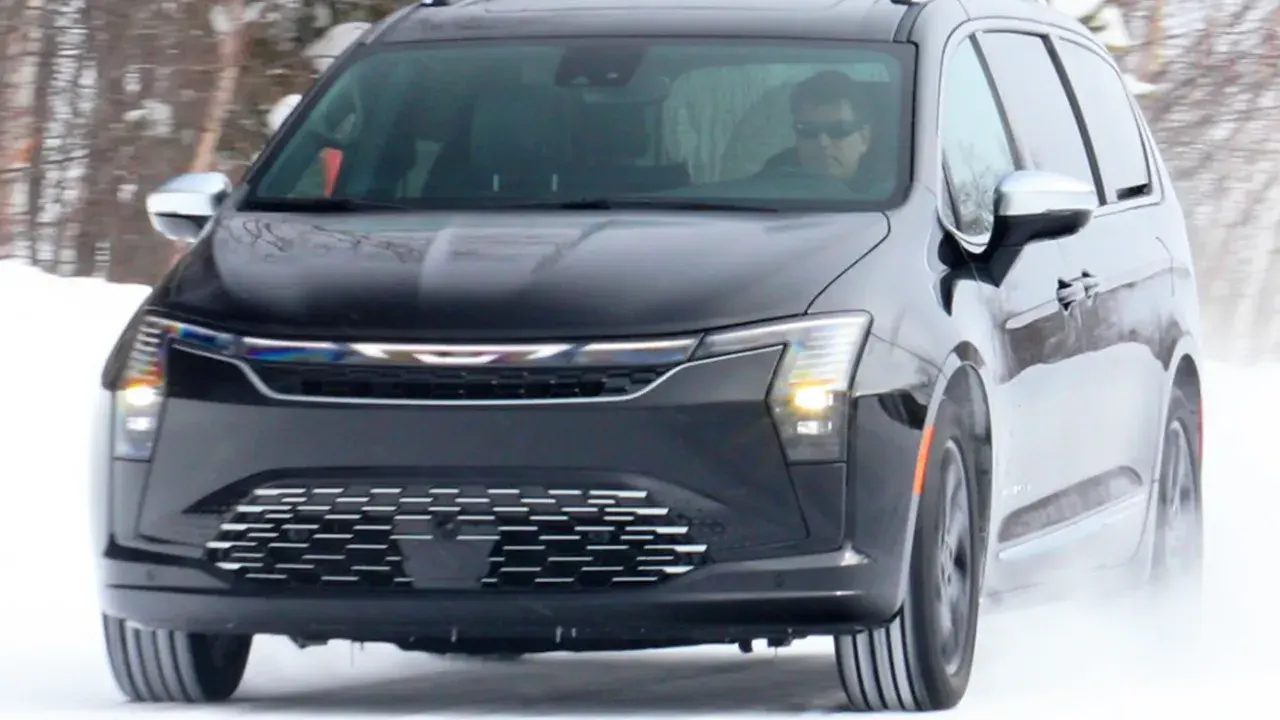
The most critical situation belongs to Chrysler. Its lineup now revolves around the Chrysler Pacifica and the Chrysler Voyager, both refreshed in 2020, while new products remain absent. The century-old brand, which appeared for decades in the official name of the American group, continues to explore future ideas through concept vehicles without turning them into production models. This pattern fuels speculation that the brand survives largely because of agreements with the dealer network rather than a fully defined industrial revival plan. An updated Pacifica will certainly arrive, while recent rumors have mentioned the possible return of models such as the Chrysler Crossfire and the Chrysler Firepower, though the latter never reached production.
The original Stellantis strategy relied on four modular architectures: STLA Small for electric city cars, STLA Medium for compact vehicles with multiple powertrains, STLA Large for bigger models, and STLA Frame for American pickups and large SUVs. The group later added the Smart Car platform for urban vehicles and emerging markets.
In 2022 Stellantis announced an ambitious plan to phase out combustion engines in Europe by 2030. Over time the strategy became more flexible. Today the group moves toward a broader multi-energy approach, adapting to a market that has proven far less predictable than many industrial plans had assumed on both sides of the Atlantic.
A new phase for Stellantis may begin on May 21, when Antonio Filosa presents the group’s next industrial strategy. The plan could clarify how the company intends to balance electrification, traditional powertrains and the future roles of its many brands.