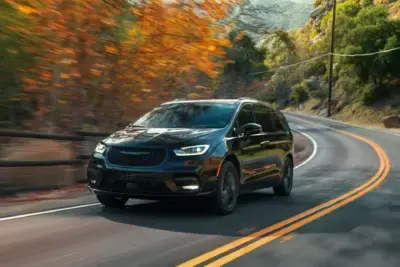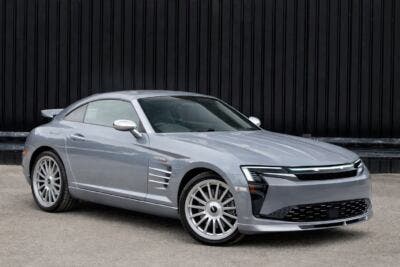
Some renders circulating online in recent hours reimagine a new-generation Chrysler Crossfire, revisiting the lines of the original coupe with an updated design language. It is a digital provocation, but one that touches a sensitive point, because Chrysler today survives with just one model in its lineup, the Pacifica, and it desperately needs new products.
Could the Chrysler Crossfire return? New renders imagine a modern version
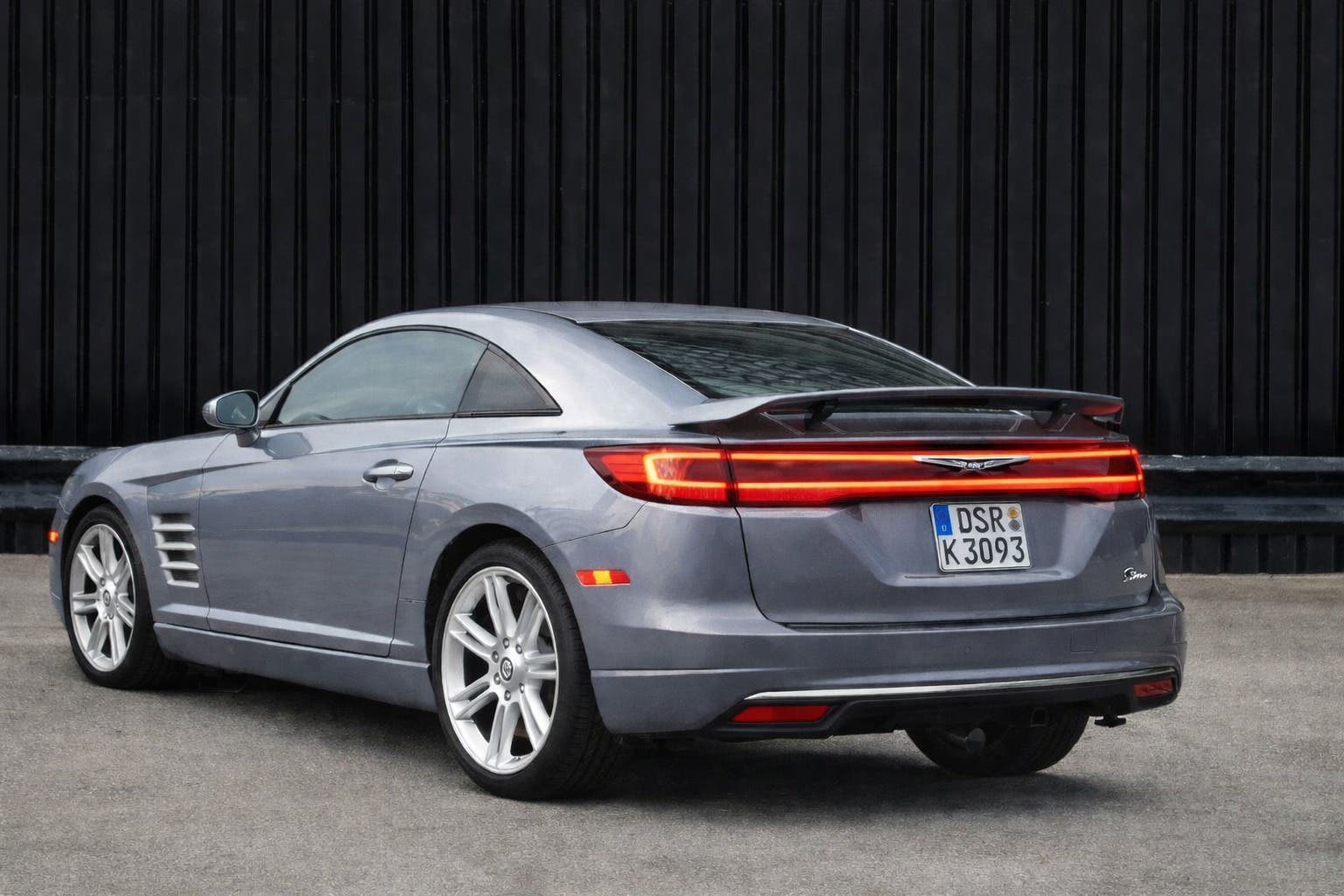
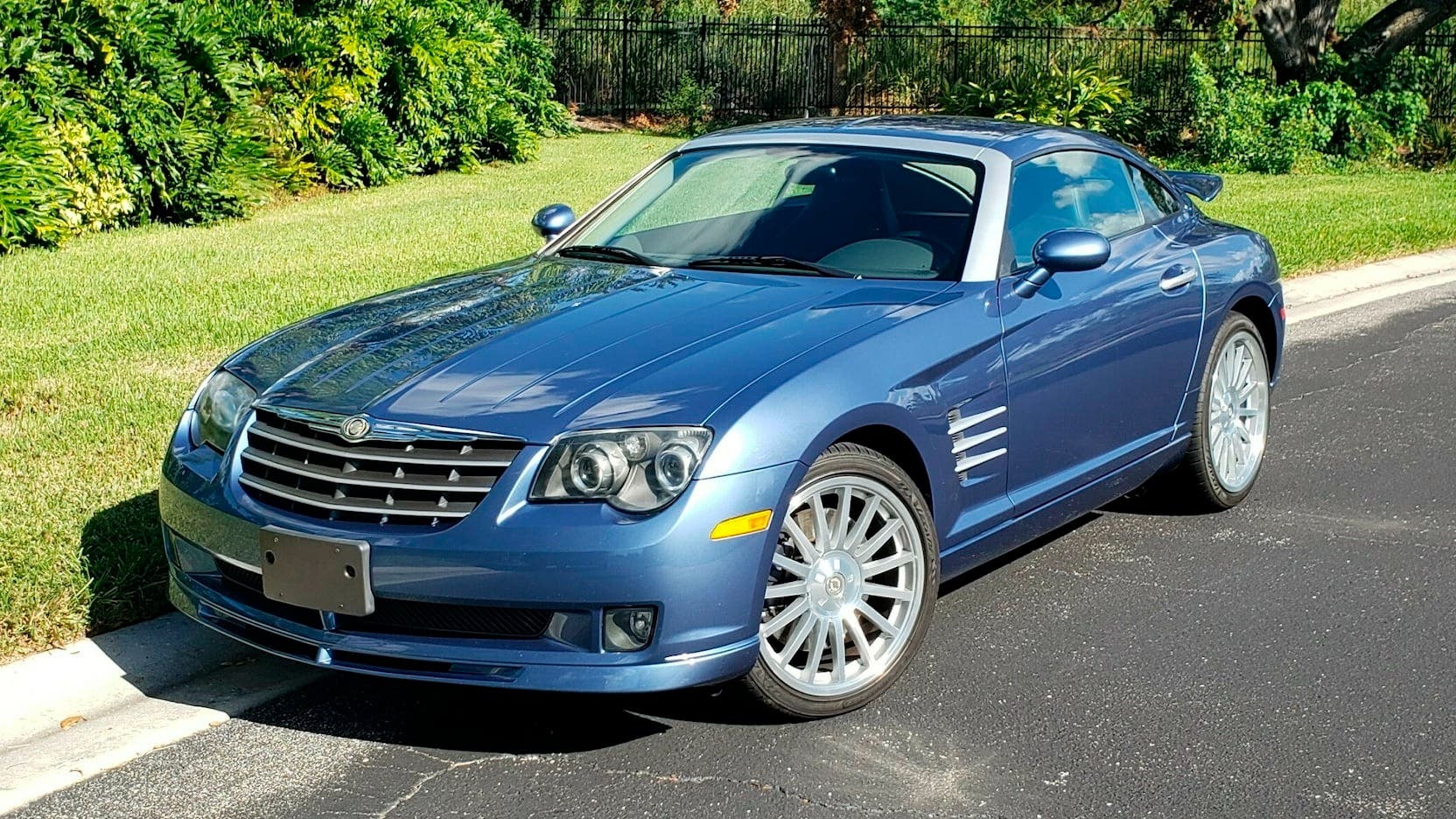
The original Crossfire was produced at the Karmann plant in Osnabrück between 2003 and 2007, for a total of 76,014 units. The car shared about 80% of its components with the Mercedes-Benz SLK R170 and stood as the most visible product of the DaimlerChrysler merger. However, it never reached the annual target of 20,000 sales in the United States. Its best year was 2004 with 14,969 units, while in 2006 sales dropped by 44%. By November 2005, Crossfire models sat on American dealership lots for an average of 230 days, compared with 55 days for the industry average. Chrysler even sold some units through Overstock.com with discounts of up to $8,900. When the joint venture with Daimler ended in 2007, the door to any second generation closed for good.
Today’s context is radically different. Chrysler has confirmed that Stellantis does not intend to sell or shut down the brand, and the new Stellantis leader Antonio Filosa has allocated fresh resources to North America to rebuild the lineup. In 2027 Chrysler is expected to launch a redesigned Pacifica, while the company also works on at least two new crossovers, a sedan that could revive the 300 name, and especially the return of the SRT badge. It is interesting to note that the Crossfire SRT-6, powered by a supercharged 3.2-liter AMG V6 producing 330 hp, was the first vehicle in Chrysler’s history to carry the SRT designation. Only 4,071 units were built worldwide.
But would a car inspired by the Crossfire make sense today? The market for compact two-seat sports cars has shrunk dramatically compared with the early 2000s, when the Crossfire competed with models such as the Nissan 350Z and the Mercedes SLK. Chrysler no longer has its own dedicated sports platforms and no longer benefits from Mercedes mechanical components as it did during the DaimlerChrysler era. While the renders excite enthusiasts by recreating the fastback silhouette that made the original famous, the industrial reality tells a different story, one shaped by volumes concentrated in the SUV and crossover segments and margins too thin to justify low-volume niche models.
The most plausible path for Chrysler today lies in crossovers and SUVs, along with the potential return of the 300 sedan. A pure sports car in the spirit of the Crossfire would require investments that are difficult to justify for a brand that already accumulated $1.5 billion in losses in 2006 and is now essentially rebuilding its lineup from scratch. If the Crossfire name ever returns on a production model, it would likely appear on a very different type of vehicle from the one imagined in the renders, probably something closer to a coupe-style crossover than to the German-built sports coupe assembled by Karmann that still enjoys a loyal following among collectors today.