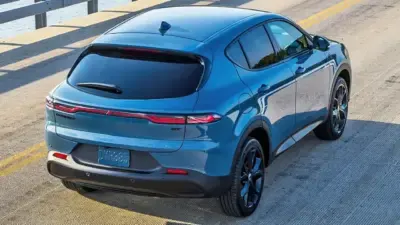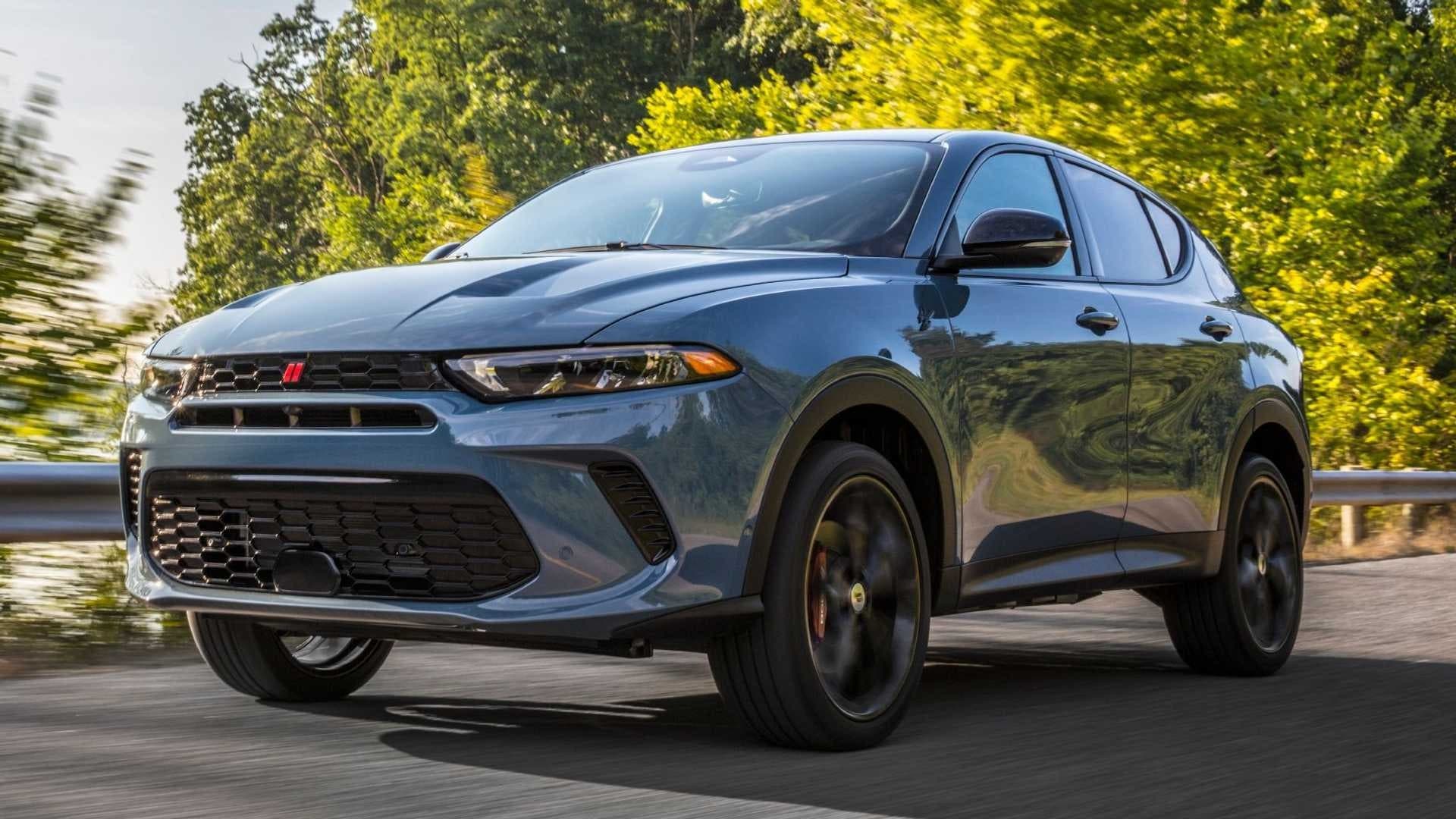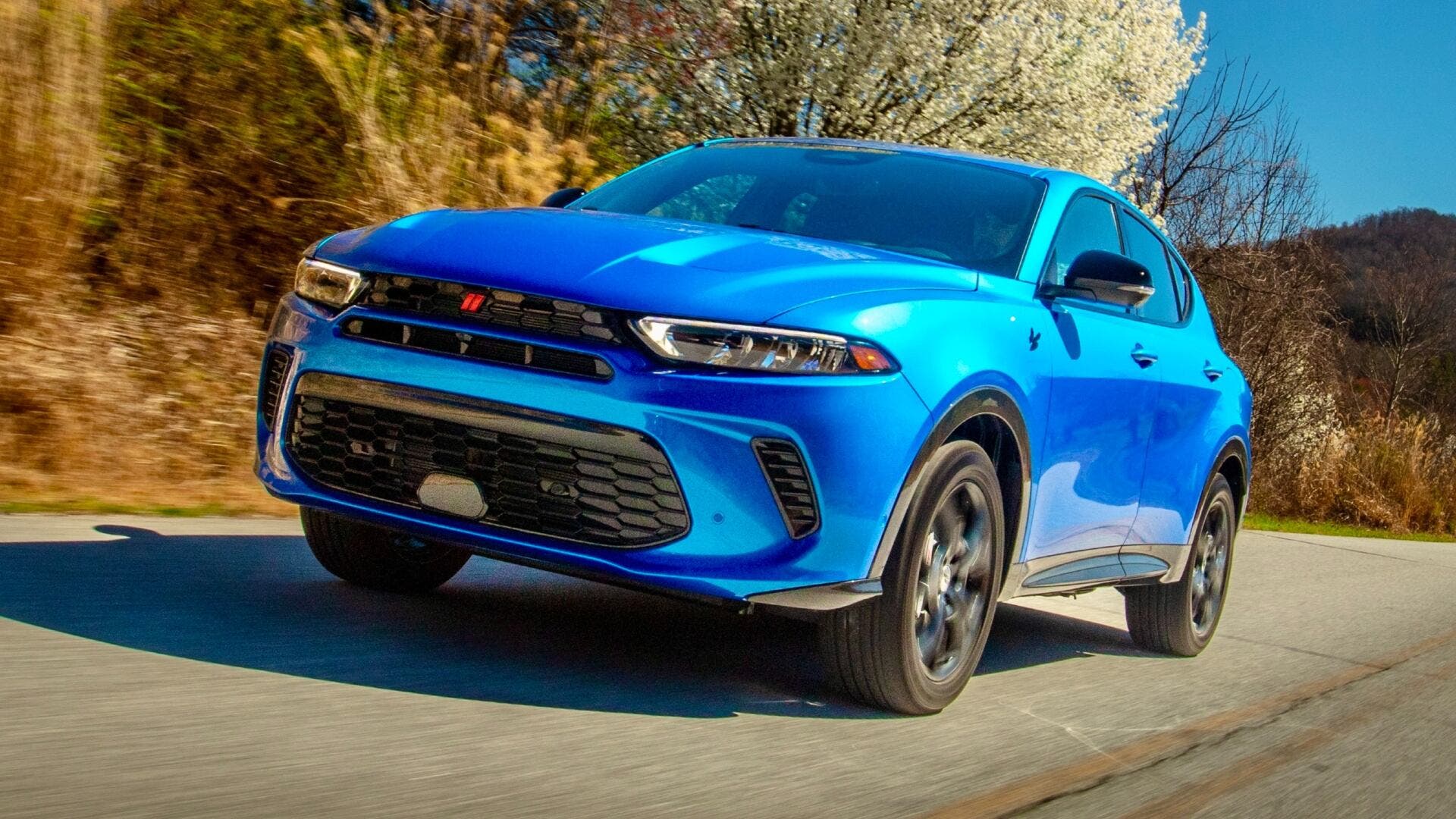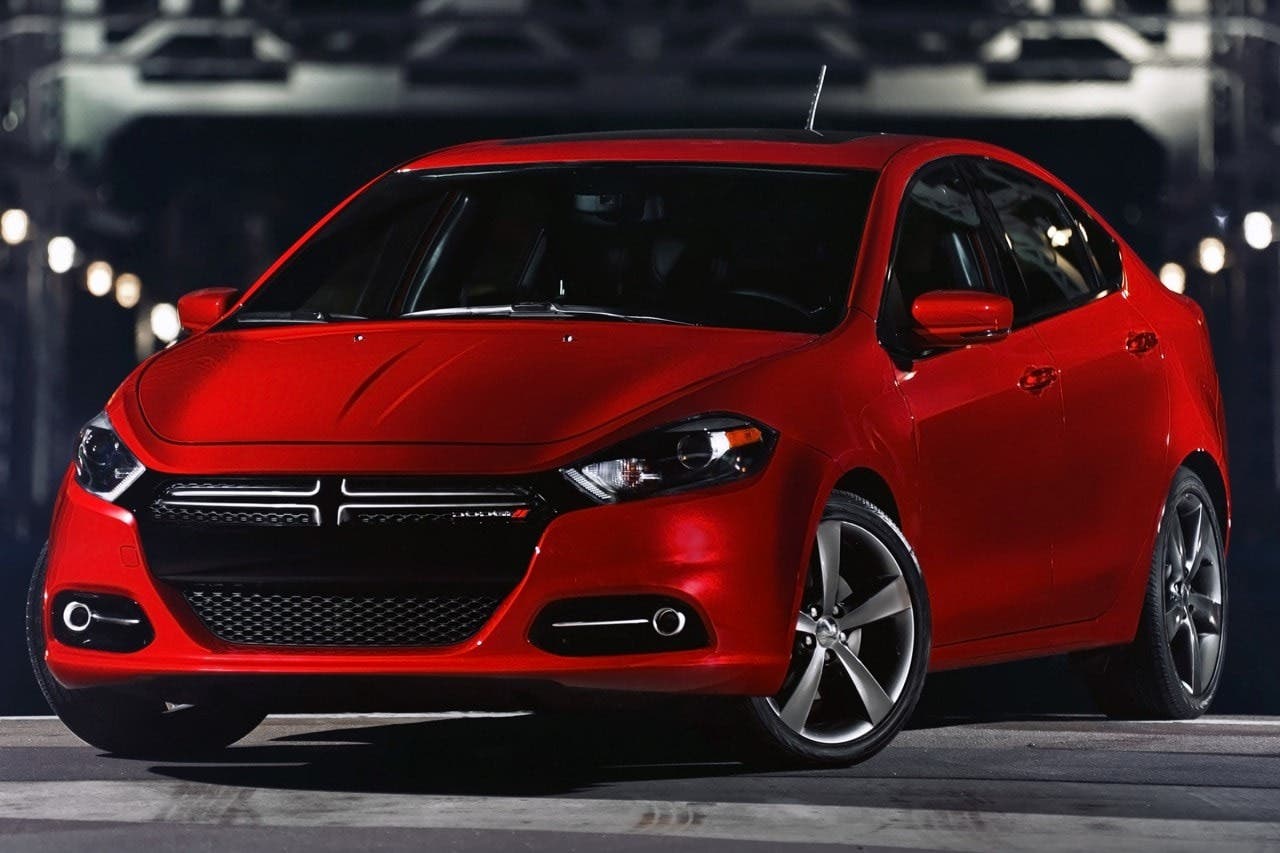
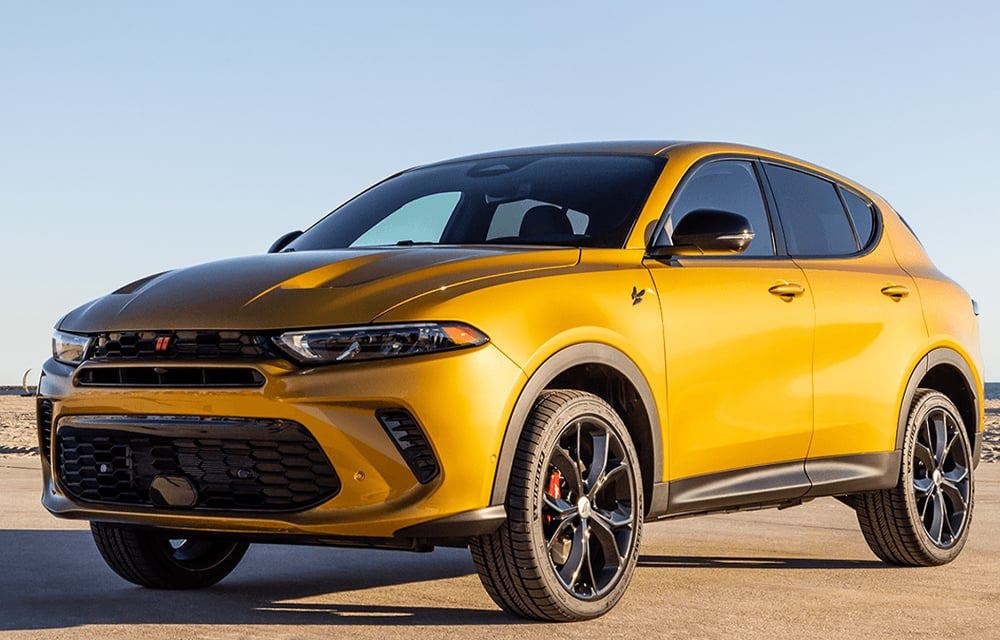
As anticipated in recent days, production of the Dodge Hornet officially ended at the end of December 2025. Since the Italian plant was the only facility in the world where the model was built, this decision effectively marked the SUV’s exit from the market. The move surprised many observers, especially considering that the Hornet ranked as Dodge’s second-best-selling model in the United States, even though it never achieved truly significant volumes.
The news has inevitably reignited debate over Dodge’s future, particularly in the U.S., where analysts and industry insiders continue to question Stellantis’ real intentions for the brand. Official data, after all, paint a rather difficult picture for 2025. Every model in the lineup recorded a decline in sales compared to the previous year, with only the Durango managing to limit losses to some extent.
Dodge at a crossroads after Hornet exit and sales decline
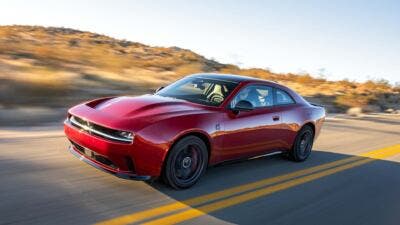
Even the new Dodge Charger failed to deliver the results many had expected, despite the strong media attention surrounding its launch. The initial decision to focus exclusively on electric power did not convince the brand’s traditional customer base, which has always favored high-performance engines. Only later did Stellantis adjust its strategy by reintroducing internal combustion engines, a move that now appears to be producing the first positive signs.
The Hornet’s figures clearly reflect this situation. In 2025, Dodge sold just 9,365 units in the United States, a sharp 54 percent drop compared to the previous year. With the model now gone, Dodge’s lineup has been reduced to the bare minimum, essentially consisting of the Durango and the new Charger, which now offers a Hurricane inline-six alongside an electric variant.

Meanwhile, a more encouraging signal has come from the Ram brand. The return of Tim Kuniskis, who rejoined the company after a brief absence, coincided with the reintroduction of the V8 HEMI engine on the Ram 1500. Market response was immediate, with more than 50,000 orders already recorded, forcing Stellantis to increase production output.
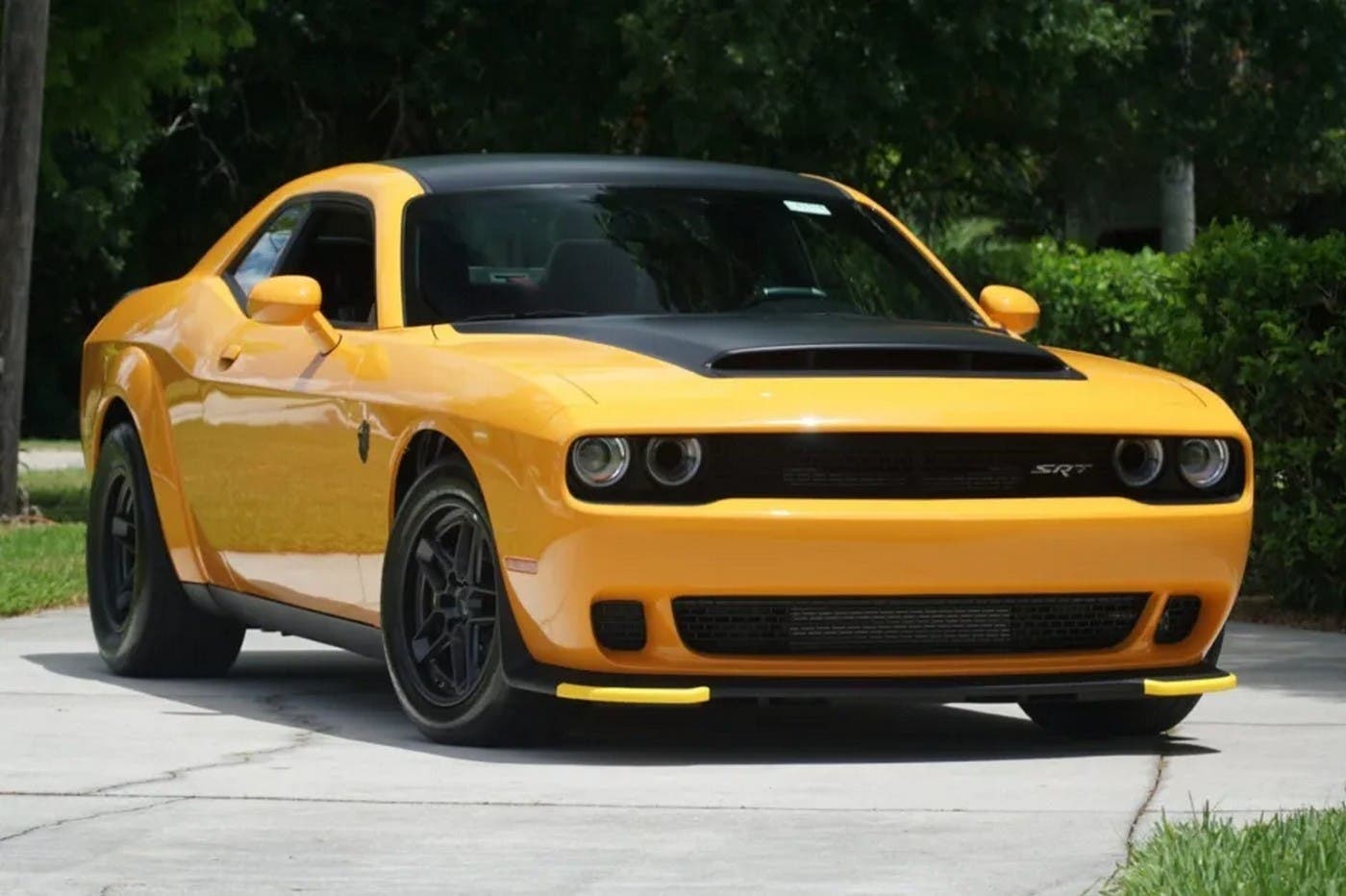
This success has reignited hope among Dodge enthusiasts, who see the return of the HEMI to the Charger as the only realistic path to reviving the brand. If the strategy has worked for Ram, it could represent a viable solution for Dodge as well, at a time when the brand is more than ever searching for a new identity in an increasingly competitive and challenging market.