

Maserati wants to return to the large SUV segment and is rethinking the Quattroporte, which could move away from its traditional sedan body style. The first indications about both projects will arrive in December in Modena, together with the industrial plan Stellantis is preparing for the brand. Antonio Filosa has also once again rejected the idea of selling Maserati.
Maserati prepares a new large SUV and a radically different Quattroporte
Details gathered by Auto Express describe a future lineup organized around two product families, following the strategy outlined by Santo Ficili. Sports cars and grand tourers will continue to represent one side of the range, while larger luxury vehicles will form the other. The Grecale will remain between these two groups and continue to play an important role in supporting sales volumes.
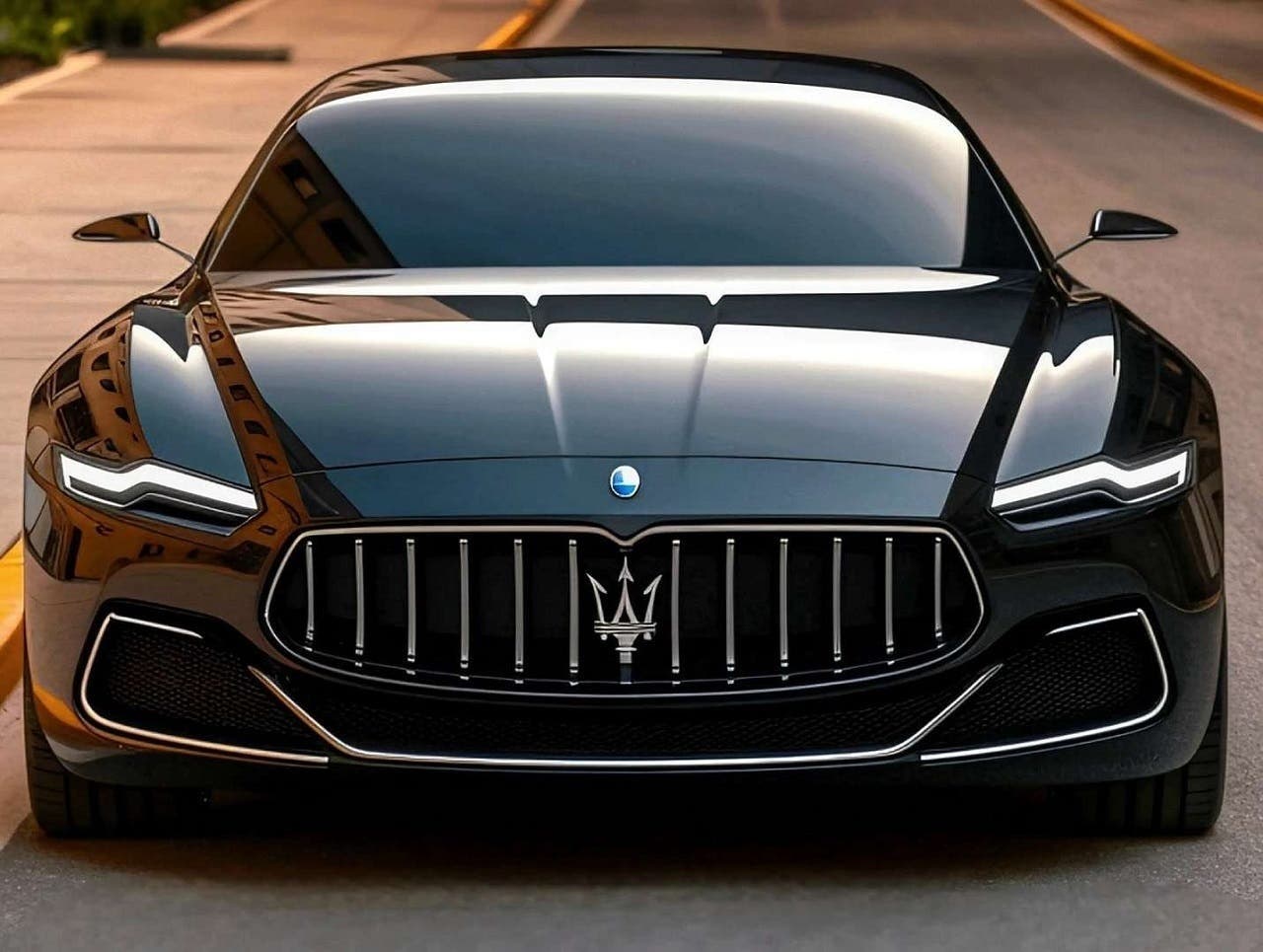
The biggest transformation could involve the Quattroporte itself. Ficili imagines a long, low vehicle that combines elements of shooting brakes and crossovers. The flagship name could therefore identify something very different from a traditional three-box sedan, using a body style that the executive believes may better suit its commercial future.
The previous Quattroporte left the market with the Grand Finale, a customized example delivered in July 2024. Since then, Maserati has left that part of the range uncovered, and the new product plan will need to address the gap. Ficili’s comments outline one possible direction, while the final shape and technical specifications remain undecided.
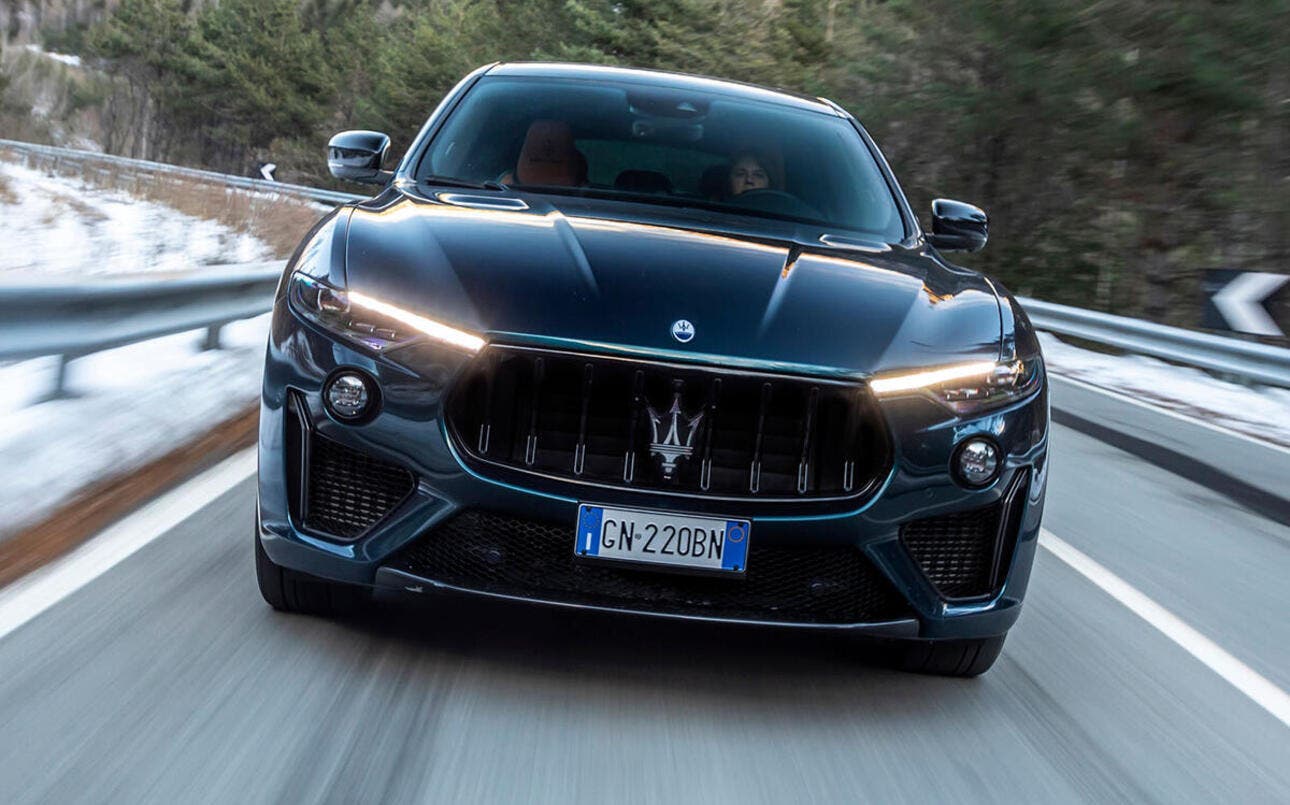
Maserati will preview its return to the E-segment SUV market with a concept. Ficili used the Levante name to explain where the new vehicle would sit in the lineup, immediately linking it to the model that previously occupied that position. The reference helps describe the project without confirming the final production name.
The new strategy will follow a Paris Motor Show where Maserati introduced no new products and appeared only in comments from Stellantis executives. Filosa has asked for the December presentation to include products and technologies that can make the brand’s turnaround strategy more tangible after a reduced lineup and falling sales.
During the same week, the CEO told Bloomberg Television that Stellantis has no plans to sell Maserati. The decision to keep the brand within the group therefore comes alongside the preparation of a new program that will need to explain how Stellantis intends to fund and develop future vehicles.
The concepts will offer the first look at how these decisions could influence the body styles of future Maserati models. Powertrains, pricing and launch timing remain among the details still expected, with more information likely to emerge in December alongside the possible successor to the Quattroporte.