

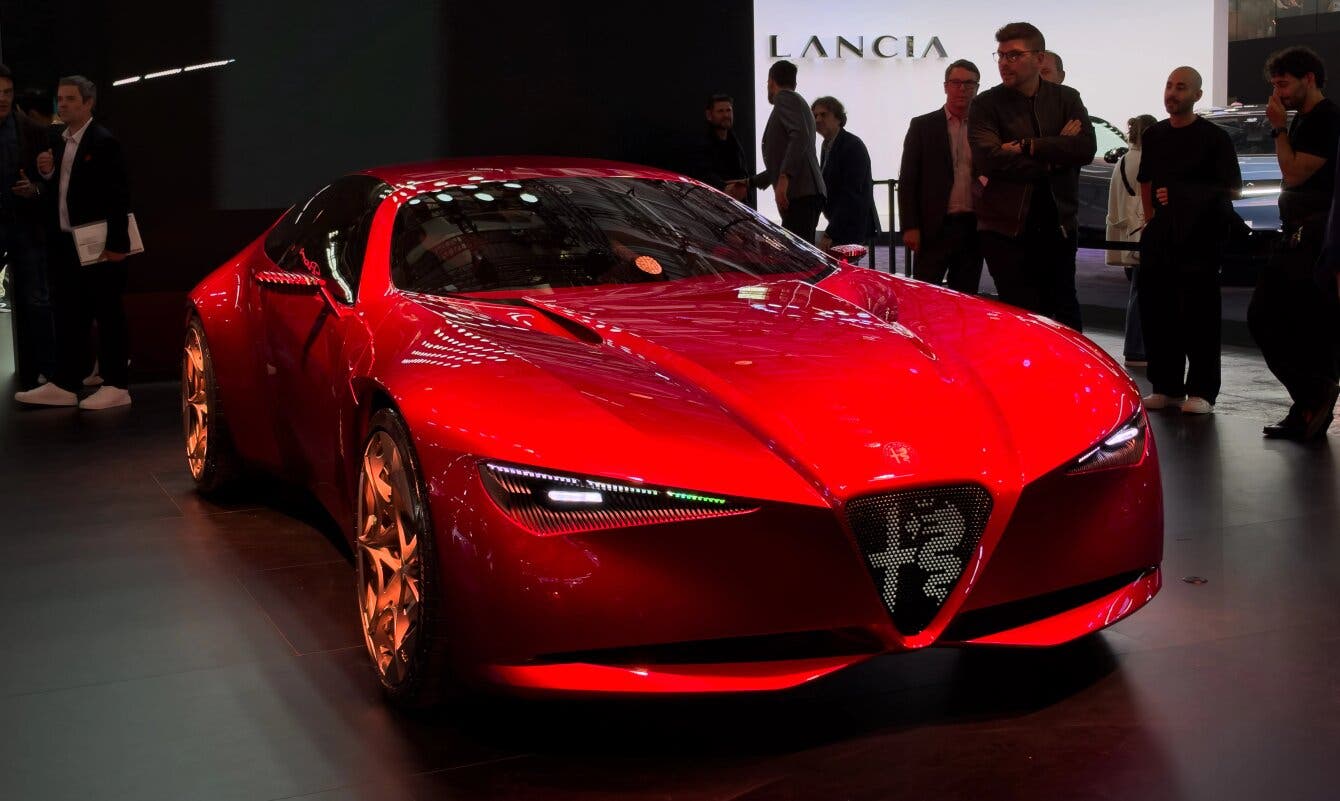
When Alfa Romeo pulled the sheet off the Cuorerosso concept in Paris, onlookers were greeted not by a production-ready commuter, but by a rolling sculpture. Head of Design Alejandro Mesonero-Romanos instructed his team to toss out conventional constraints and focus purely on proportion and volume.
The result is a striking four-seat coupe-sedan hybrid spanning 4.7 meters long, 1.95 meters wide, and a razor-thin 1.30 meters tall. It is an exercise in functional beauty that will almost certainly live and die under trade show spotlights, but its philosophy casts a long shadow over the future of the brand.
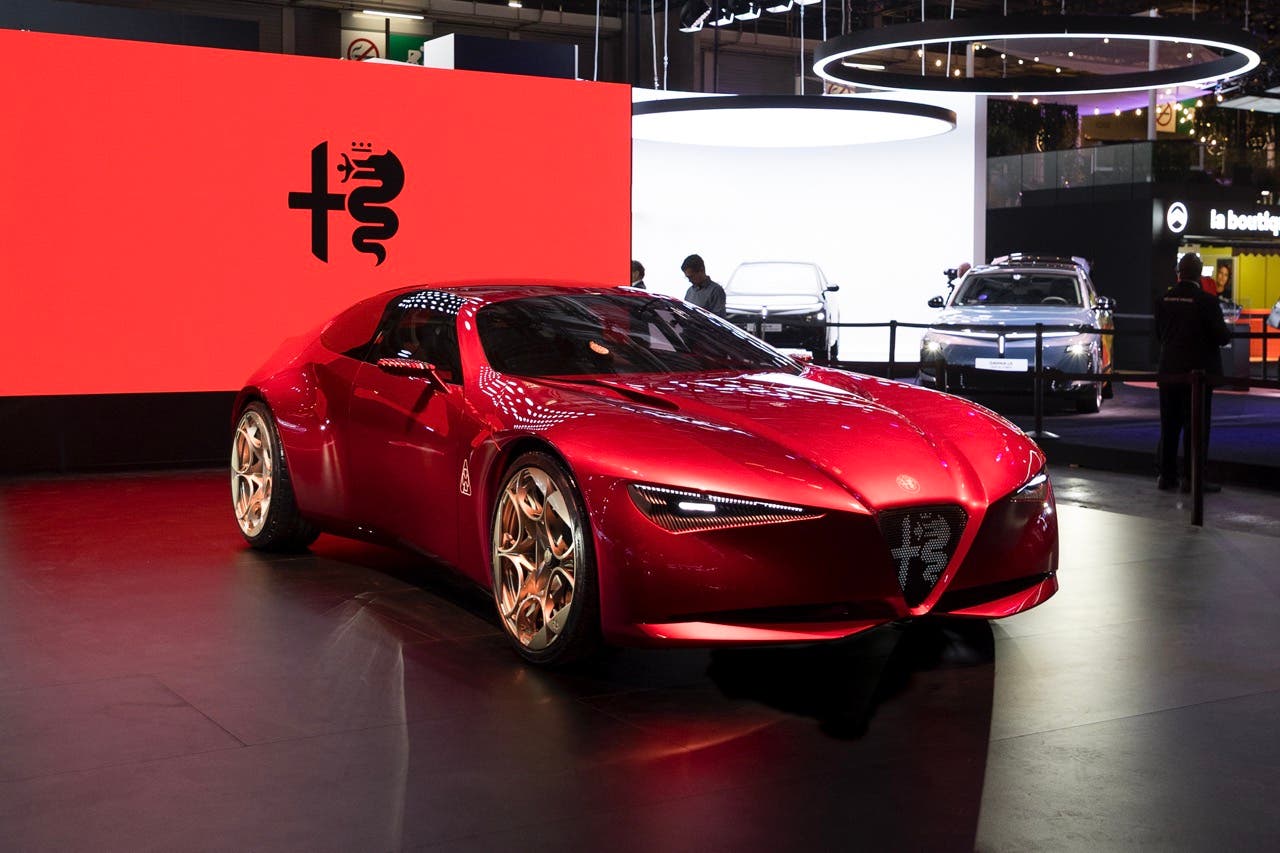
Rather than diving headfirst into the endless ocean of lazy, retro-nostalgic cash grabs, Mesonero looks forward. The Cuorerosso channels the elegance of Pininfarina alongside the muscular rear architecture of Zagato and Bertone, yet avoids literal heritage copy-pasting.
Instead, its spiritual compass is Marcello Gandini’s legendary Carabo. A machine that dared to look forward rather than clinging to a family photo album. For production cars, the mandate remains clear: clean surfaces, minimal character lines, and a fiercely distinct visual identity.
Inside, the cabin mimics an organic heart, featuring flowing surfaces that sweep seamlessly from the dash to the rear passengers. The driver remains the focal point without feeling suffocated by a claustrophobic cockpit. Alfa’s signature dual-cannocchiale instrument cluster dynamically merges into a single screen to display only essential data while driving, while physical controls comfortably coexist with a central touchscreen.
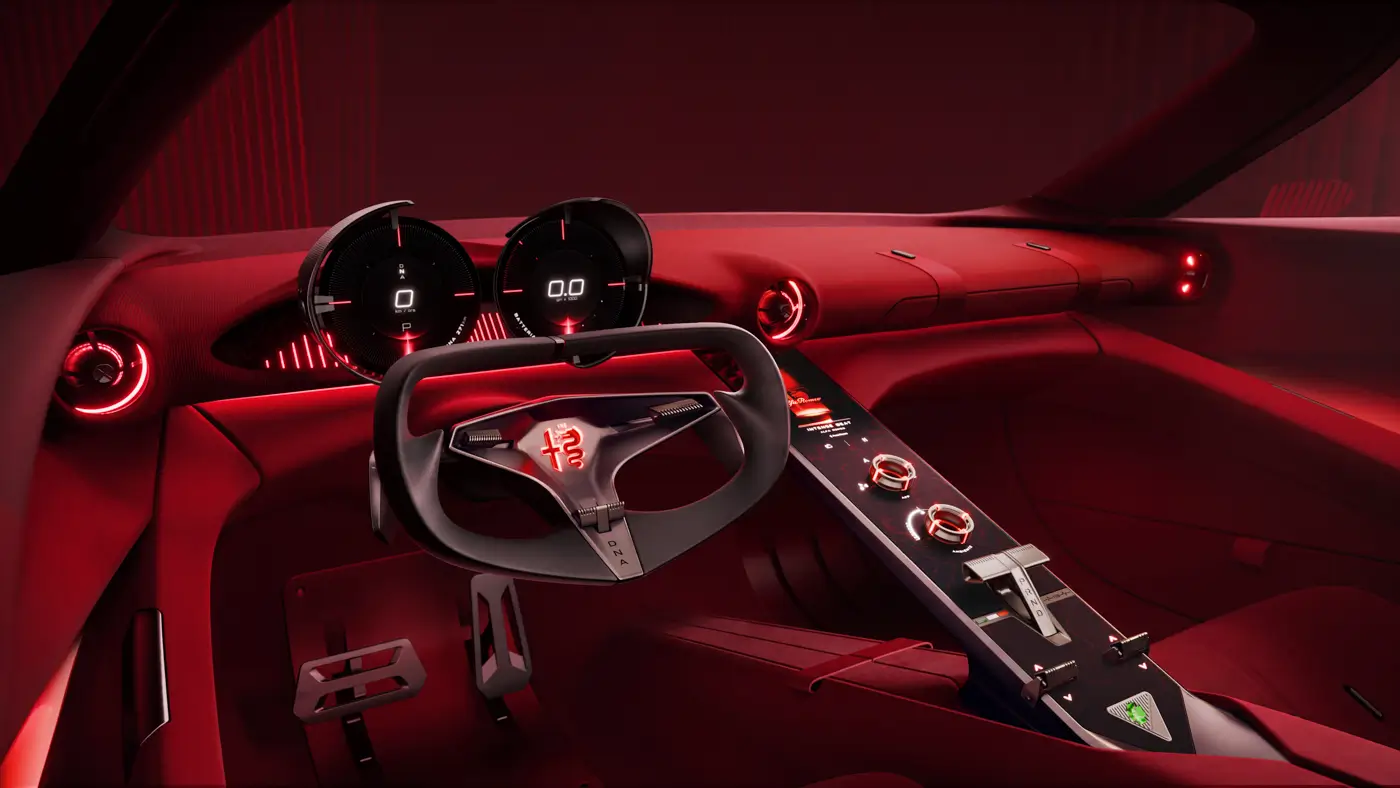
Then comes the thinly veiled strike against current automotive trends. Mesonero openly mocks the industry’s obsession with turning dashboards into “rolling tablet conventions”, noting that stacking endless screens bloats costs and distractions without offering genuine utility. While competitors wage display-size wars, Arese and Turin prefer a radical concept for cars actually meant to be driven.
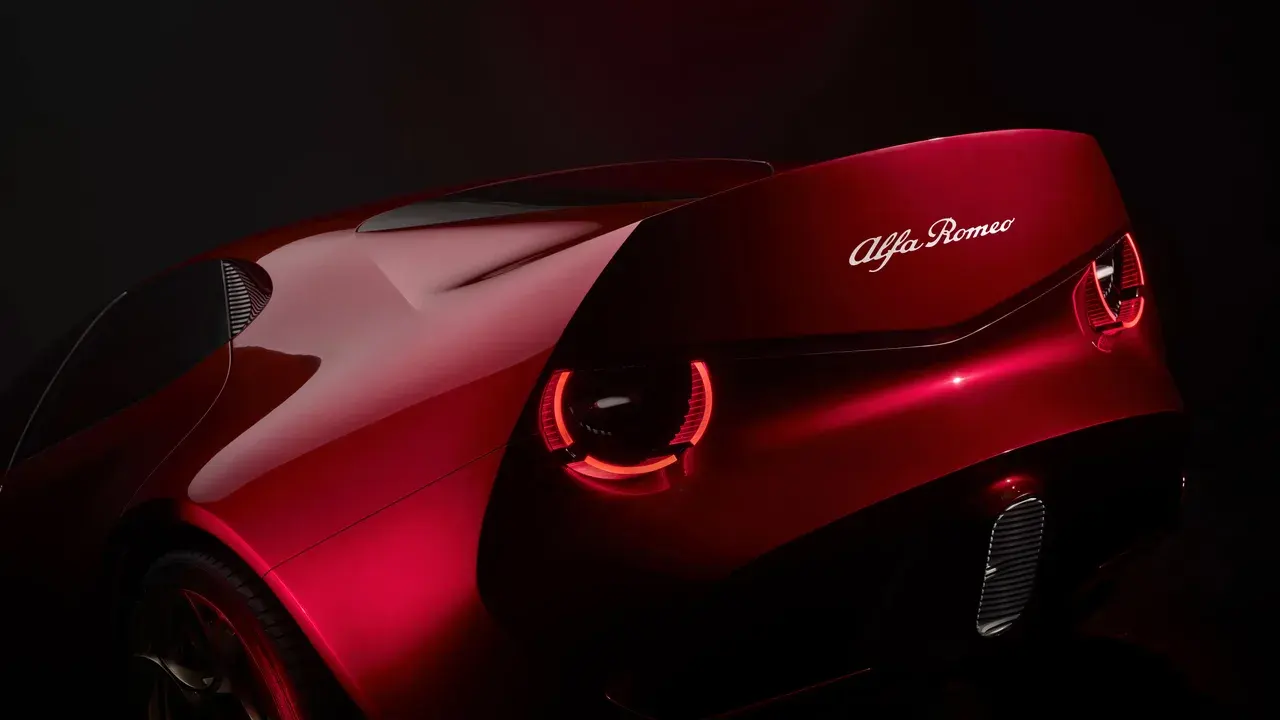
The designer’s personal highlights include the complex yet visually clean telephone-dial wheels, a sensual hood, and an aggressive tail. While the concept itself might never touch a production line, we can only hope its anti-screen, pro-driver soul makes the cut.