

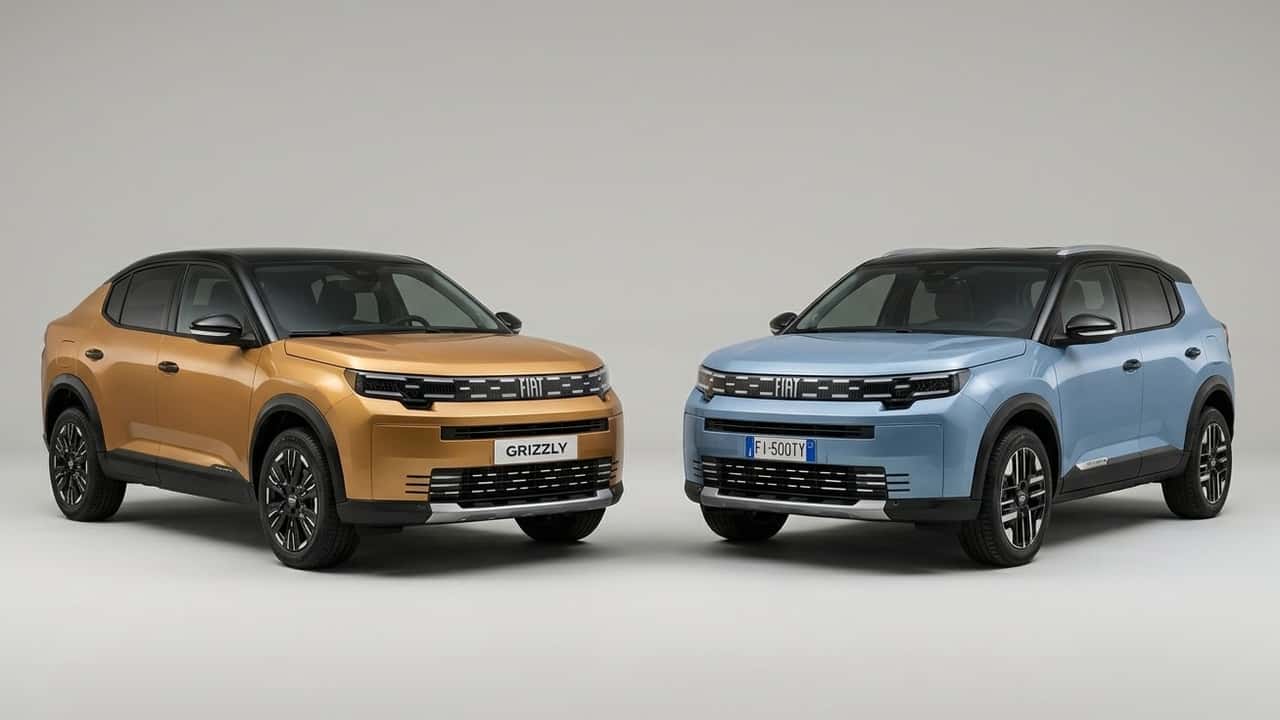
Fiat built two shiny new SUVs in Morocco and is now discovering that European geography can rewrite a price tag overnight. The Fiat Grizzly and Grizzly Fastback roll off the assembly lines in Kenitra, a facility that suddenly finds itself on the wrong side of the “Made in Europe” border currently being redrawn by Paris and Berlin.
The new Franco-German political compromise aims to tie public auto incentives directly to strict local content and origin requirements for vehicles and components. Morocco and Turkey, despite their industrial proximity, remain firmly outside this proposed EU fortress. That is a minor geographical detail with massive commercial consequences for automakers who set up shop in North Africa specifically to supply the European market.
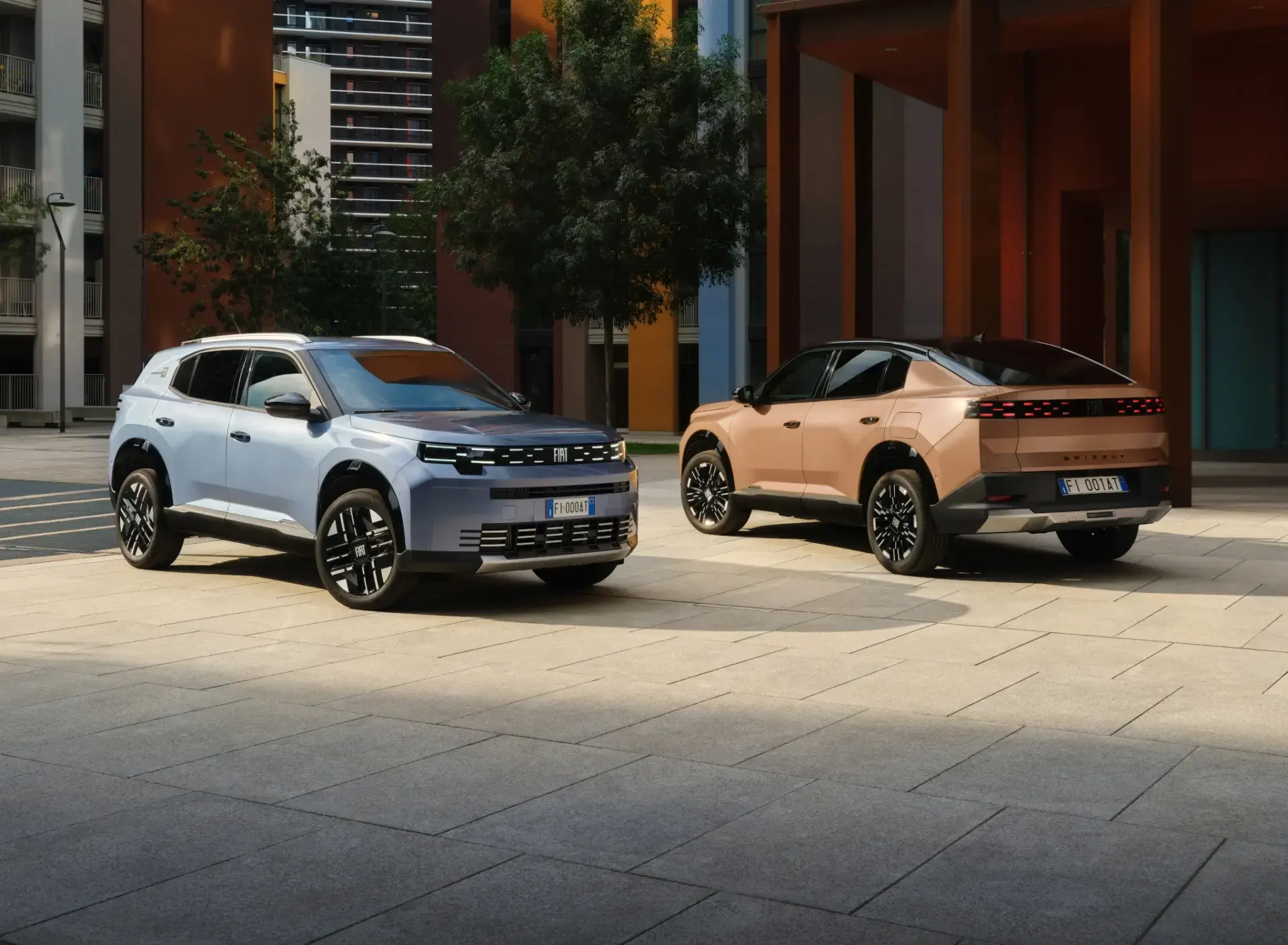
To be clear, no one is banning the Grizzly twins from entering European showrooms. Free trade agreements still apply, and the cars will sell just fine on paper. The real issue is government subsidies. An electric vehicle excluded from lucrative national incentive schemes starts the sales race with a self-inflicted damage, regardless of how competitive its baseline sticker price might look.
In the razor-thin EV market, where high retail costs remain a buyer’s ultimate deterrent, missing out on green grants is practically a lead weight tied to the bumper.
For Stellantis, Kenitra should have become a triumph. The group is ramping up capacity toward 400,000 vehicles annually, quadricycles excluded, backed by heavy local hiring and local engine manufacturing. The Grizzly lineup arrived to spearhead Fiat’s global expansion, making this regulatory plot twist feel like changing the field lines mid-match.
Stellantis, naturally, is keeping its corporate poker face intact. The conglomerate welcomed the political agreement, pointing out that 85% of its passenger cars and 94% of its commercial vehicles sold in Europe result built right on the continent. That puts Stellantis in a far safer zone than rival Renault, which relies heavily on Moroccan and Turkish assembly.
Before anyone panics or pops champagne, a bit of perspective. The October 16 joint statement remains a high-level policy proposal, not an enforced law. Geographical boundaries, powertrain rules, and potential exemptions for strategic partner nations are still up for debate.