

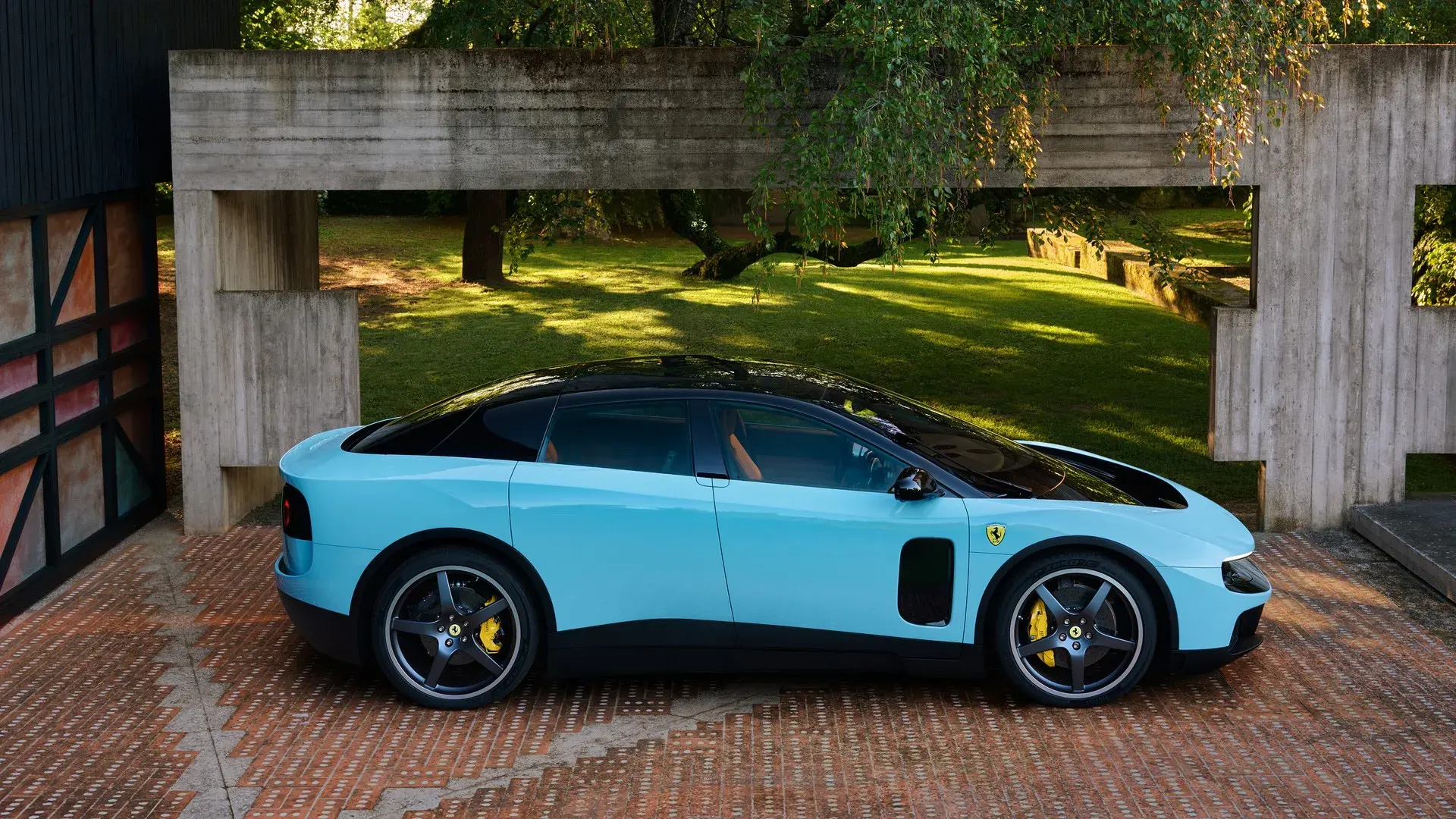
When Maranello announced an all-electric supercar, purists shed tears into their espresso, convinced the sky was falling on the Prancing Horse. Yet, reality had a far funnier punchline waiting in store. CEO Benedetto Vigna recently confirmed that the Ferrari Luce, the brand’s inaugural battery-electric vehicle, is already completely sold out through 2027, with initial customer deliveries scheduled for late 2026.
Production volume remains a closely guarded secret, but every single unit allocated for next year results already snatched up by collectors eager to plugged into high-voltage prestige. The sway of the name Ferrari is still unrivaled by few others in terms of charm and, above all, its power to drive purchases.
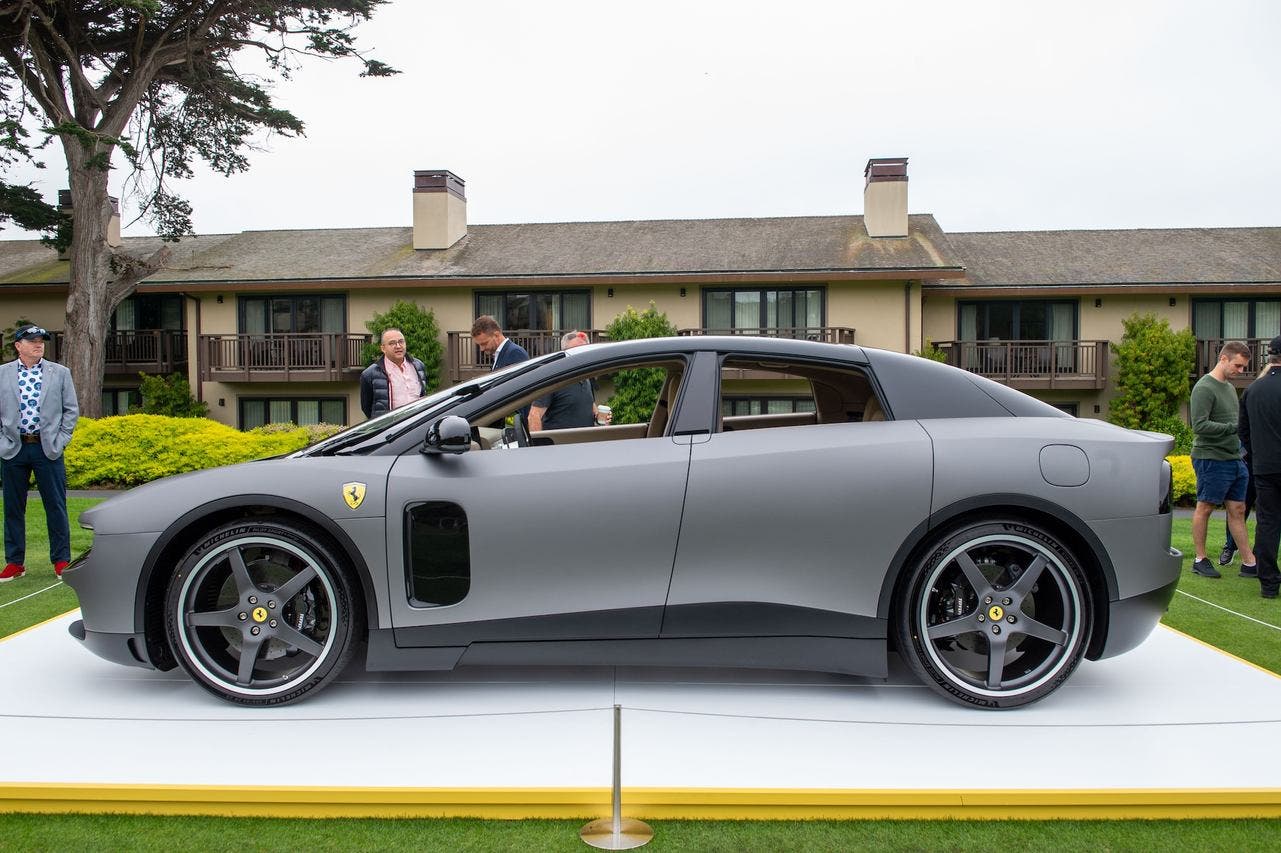
Interestingly, Vigna noted a hilarious gap between digital cynicism and physical enthusiasm: photos sparked online outrage, but seeing the vehicle in the metal instantly turned skeptics into buyers. That shift escalated rapidly during Monterey Car Week, where an early example fetched a jaw-dropping $40 million at auction, abruptly shutting down commentators who swore an EV Ferrari was sacrilege.
Geographic demand naturally mirrors charging infrastructure density, proving that even billionaire collectors prefer knowing where to plug in their silent rocket ships.
Despite the complex engineering required for such a pioneering architecture, development proceeds strictly on schedule without production bottlenecks. The Luce is merely the opening gambit in Maranello’s broader 2030 industrial roadmap, which targets a balanced portfolio: 40% internal combustion engines, 40% hybrids, and 20% full electric vehicles.
To maintain its legendary market differentiation, Ferrari is continuously investing across five core technical pillars: powertrain, aerodynamics, vehicle dynamics control, user interfaces, and advanced lightweight materials. While future EV project names and timelines remain strictly under wraps, Vigna regularly updates the board on these high-tech initiatives. As it turns out, swapping the mechanical V12 roar for battery power hasn’t dampened the appetite of the ultra-wealthy. It simply made the waiting list even longer.