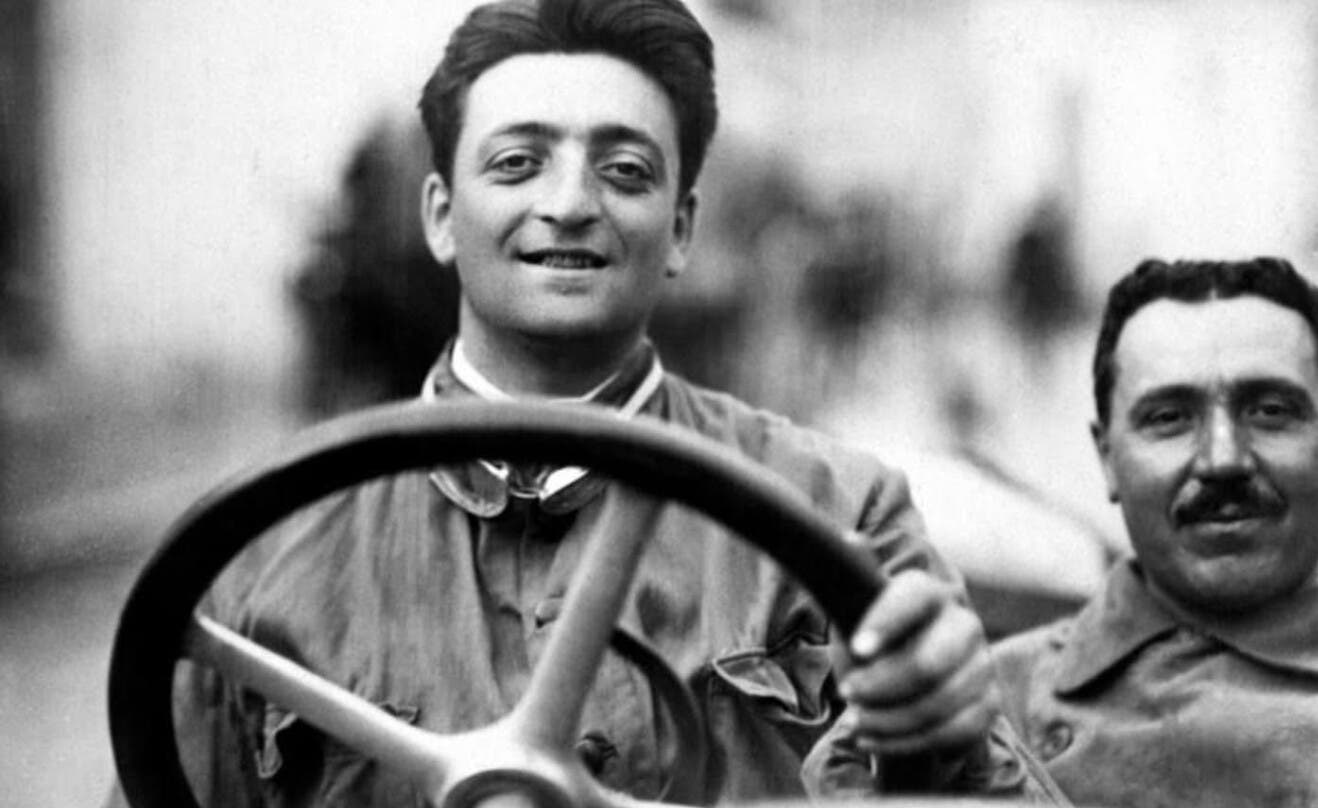
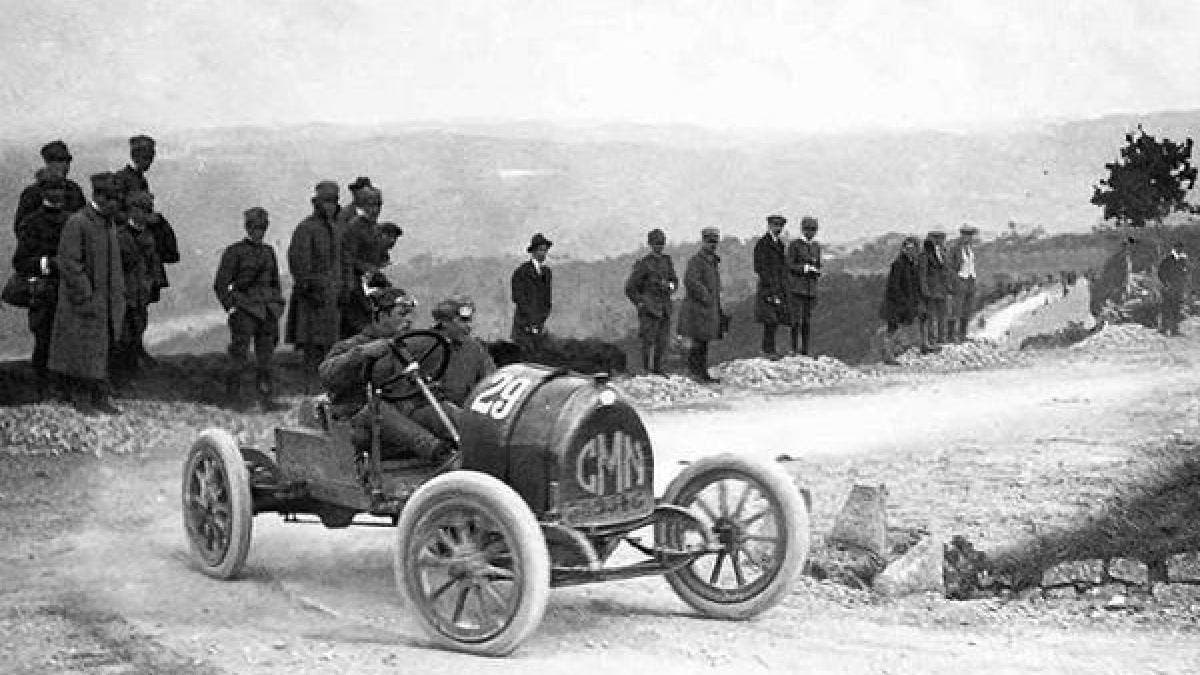
Long before the Prancing Horse badge came to signify eye-watering dealer markups and hypercar supremacy, Enzo Ferrari lived just like another grease-stained mechanic trying not to stall on a Italian hillside. On October 1919, a 21-year-old Enzo entered his very first competitive automobile race, a hill climb in Parma, Italy. He finished fourth. It was a perfectly respectable debut, if somewhat underwhelming for a man destined to become the undisputed patriarch of global motorsport.
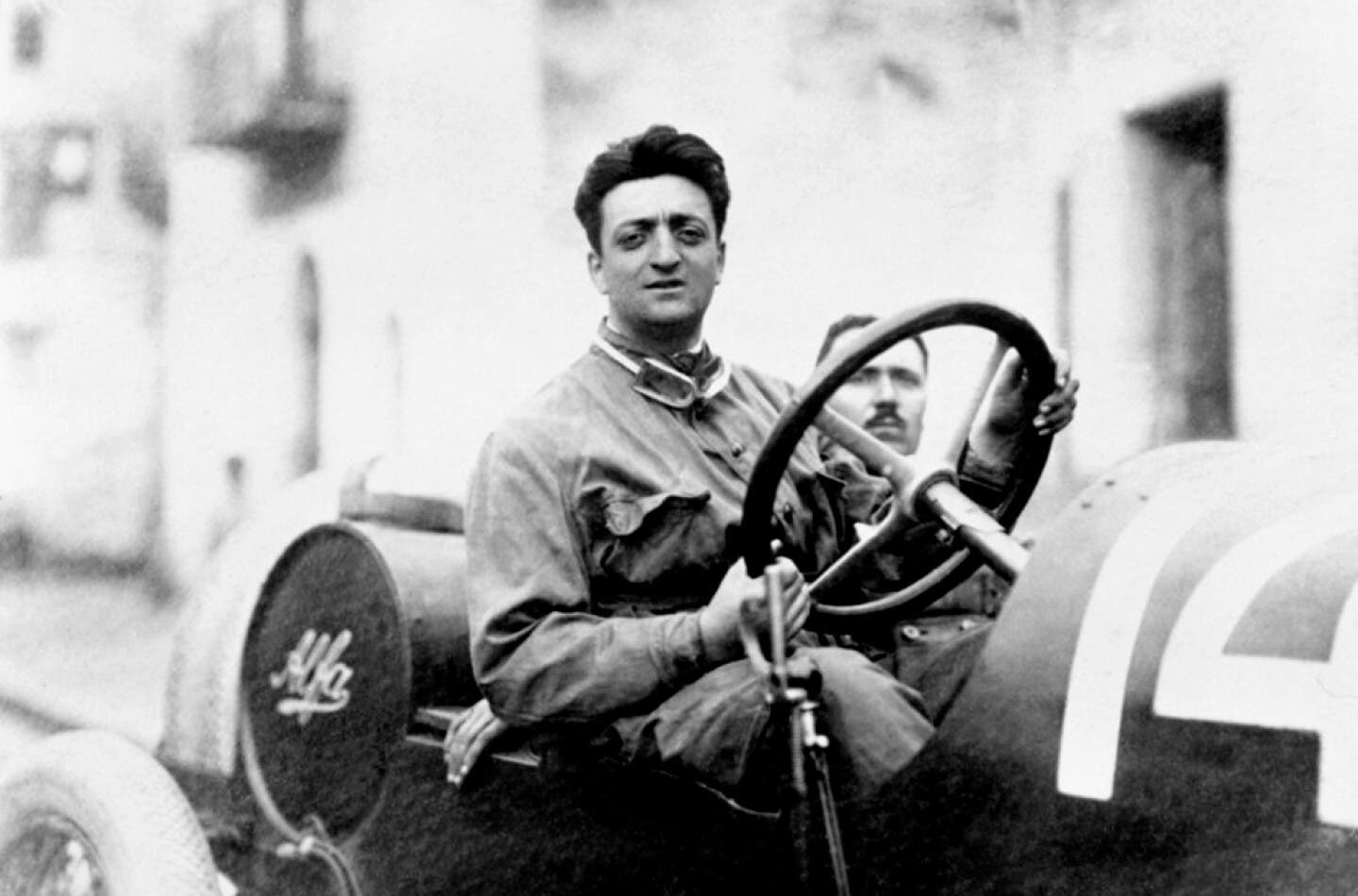
Born in Modena in 1898, young Enzo fell in love with racing after his father dragged him to a local event. His early life was quickly derailed by tragedy, losing both his father and brother during World War I before serving in the Italian Army himself. Post-war life meant hunting for work in Italy’s nascent auto industry, leading directly to that fateful October afternoon behind the wheel.
As it turned out, Enzo behind the wheel was good, but hardly grand-marshal great. Over his career as a driver, he secured just 13 victories across 47 starts. Realizing that his true talent lay in ruthless squad management and engineering vision rather than hair-raising apexing, Enzo aligned himself with Alfa Romeo during the 1920s.
By 1929, he founded Scuderia Ferrari as Alfa’s official racing outfit, adopting the now-legendary Prancing Horse emblem. He eventually parted ways with Alfa Romeo in 1939 to manufacture his own vehicles. Though World War II delayed his manufacturing ambitions, the first true Ferrari automobile finally hit the track in 1947, promptly claiming its first victory at the Rome Grand Prix.
From there, the floodgates opened. Ferrari bagged its inaugural 24 Hours of Le Mans victory in 1949, ushering in a golden age of 1950s racing dominance led by superstar drivers like Alberto Ascari.
Granted, mid-century racing was an hazardous endeavor marked by harrowing crashes and terrifying mortality rates, but Enzo’s obsessive pursuit of performance propelled his brand into absolute immortality.
By the time “Il Commendatore” passed away in 1988 at age 90, Ferrari machinery had collected thousands of trophies globally. It turns out that failing to become the world’s greatest race car driver was the best thing that ever happened to Enzo, and to anyone who appreciates the glorious sound of an Italian engine.