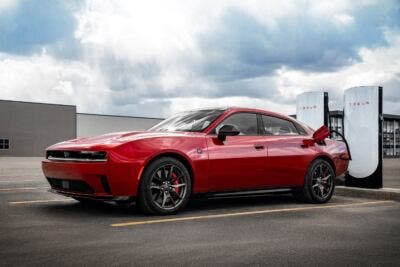
The differences between Europe and the United States are forcing Stellantis to pursue almost opposite strategies on the two sides of the Atlantic. European regulations demand a rapid reduction in emissions, while the US market continues to favor combustion engines, hybrid powertrains and large vehicles. For the group led by Antonio Filosa, balancing these competing priorities will become one of its most delicate challenges over the next few years.
Stellantis must balance EV rules in Europe with truck demand in America
In Europe, Stellantis will need to focus its investments on more affordable electric vehicles, batteries that provide longer driving ranges and faster charging systems. However, the transition cannot come at the expense of gasoline and hybrid models, which still account for a significant share of sales. These powertrains remain particularly important in more affordable segments, where price continues to shape customer decisions.
The US market requires a very different approach because brands such as Jeep and Ram rely heavily on SUVs, off-road vehicles and pickup trucks that customers choose for their power, range and towing capability. Phasing out traditional engines too quickly could weaken the very products that generate some of Stellantis’ strongest results in North America.
Stellantis will therefore need to fund electric platforms, combustion-engine upgrades and new hybrid systems at the same time, allocating resources according to the needs of each market. Alongside powertrain development, the automaker must continue investing in software, which now plays a major role in perceived quality through infotainment systems, over-the-air updates and driver-assistance technologies.
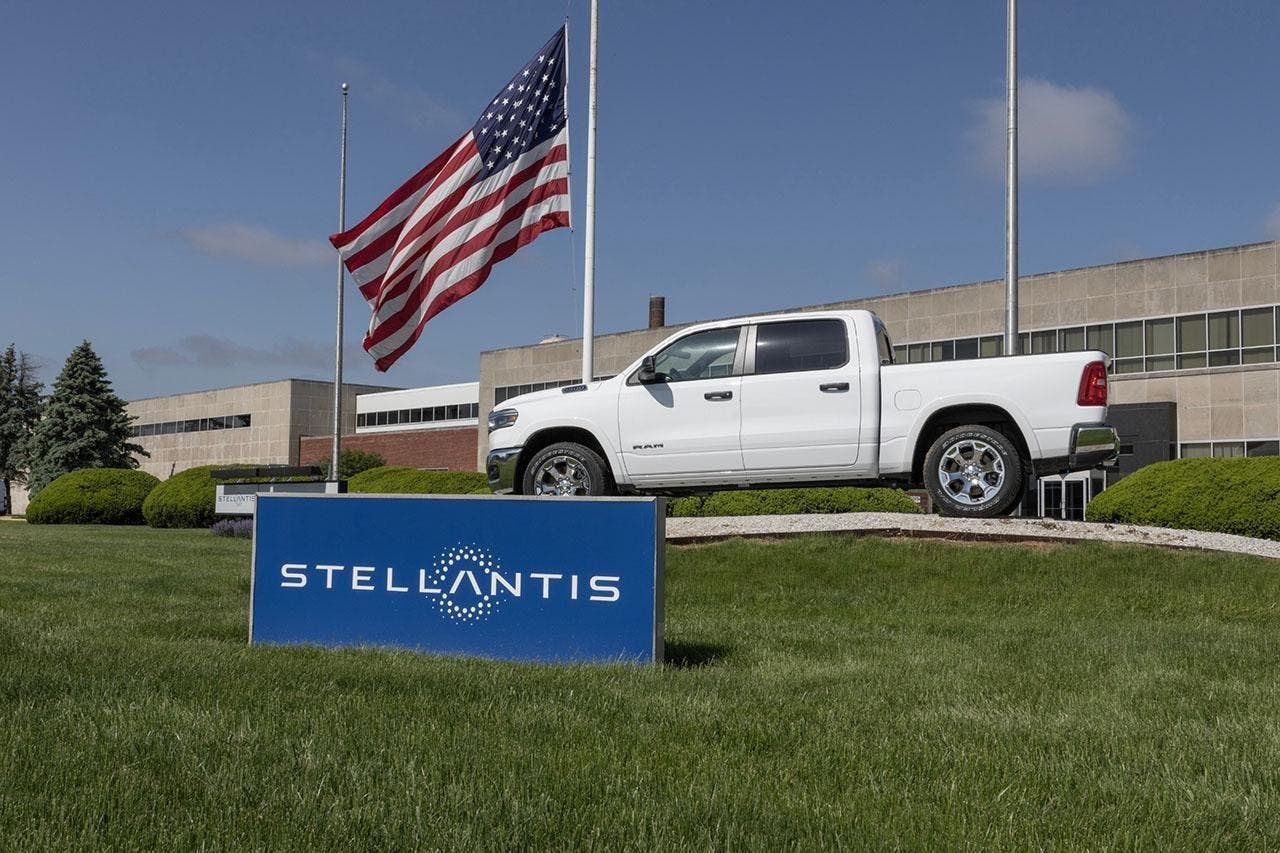
The differences will also affect Stellantis’ manufacturing strategy, as producing nearly identical models in Europe and the United States no longer allows the company to respond quickly enough to changes in demand. Its factories will need to accommodate multiple powertrains on the same production lines, while suppliers must adapt to different requirements for batteries, electronic components and conventional engines.
The company’s new strategic plan will need to clarify how far Stellantis intends to differentiate its products and investments. In Europe, regulatory deadlines will largely determine the pace of electrification. In the United States, customer demand and profitability will decide how long combustion and hybrid powertrains remain part of the lineup.
Operating in two such different markets creates higher costs and greater complexity, but it also allows Stellantis to avoid a rigid, one-size-fits-all strategy. The automaker can rely on flexible platforms and shared technologies while adapting powertrains, body styles and features to the preferences of European and American drivers.