

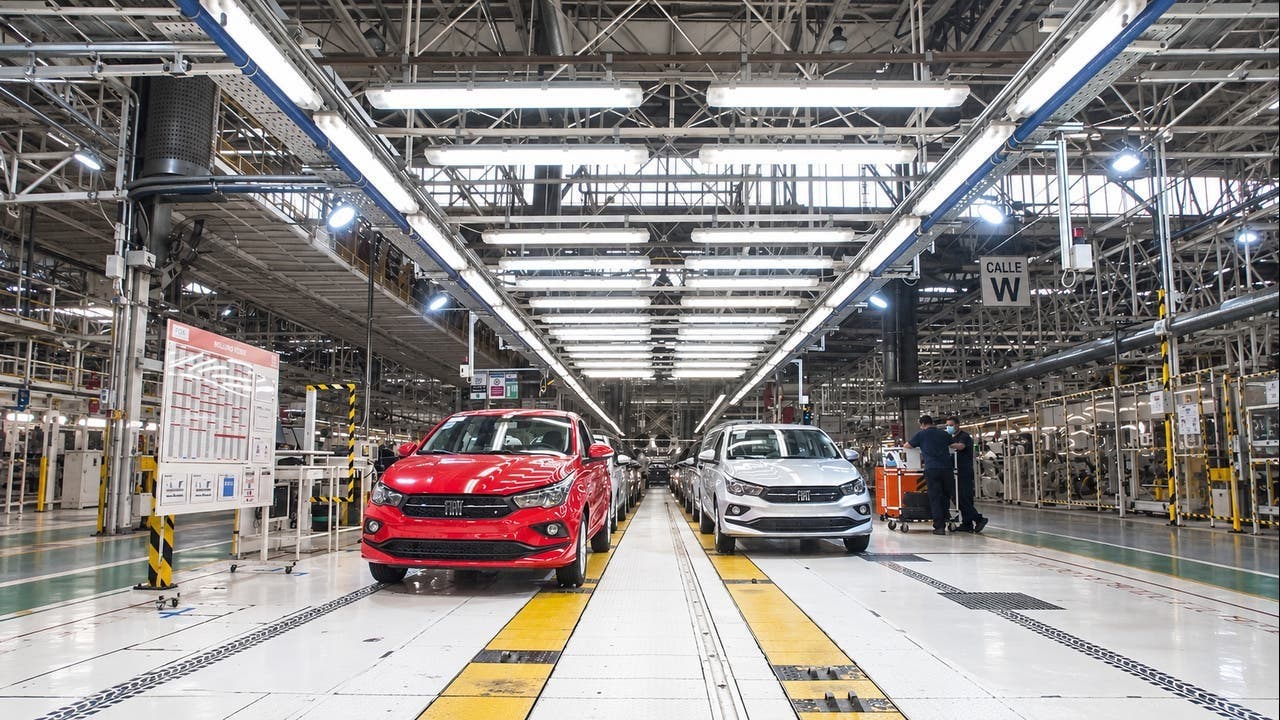
Stellantis says it has no plans to close its factories in Argentina and has reaffirmed its investments in the country, after Herlander Zola raised that possibility while discussing the challenges facing local manufacturing. The company clarified its position to Bloomberg Línea and also confirmed that it will inaugurate its new engine plant in Ferreyra on November 25. Stellantis said Zola had described possible future scenarios rather than a shutdown plan currently under consideration.
Stellantis clarifies Argentina factory plans after Zola raises closure possibility
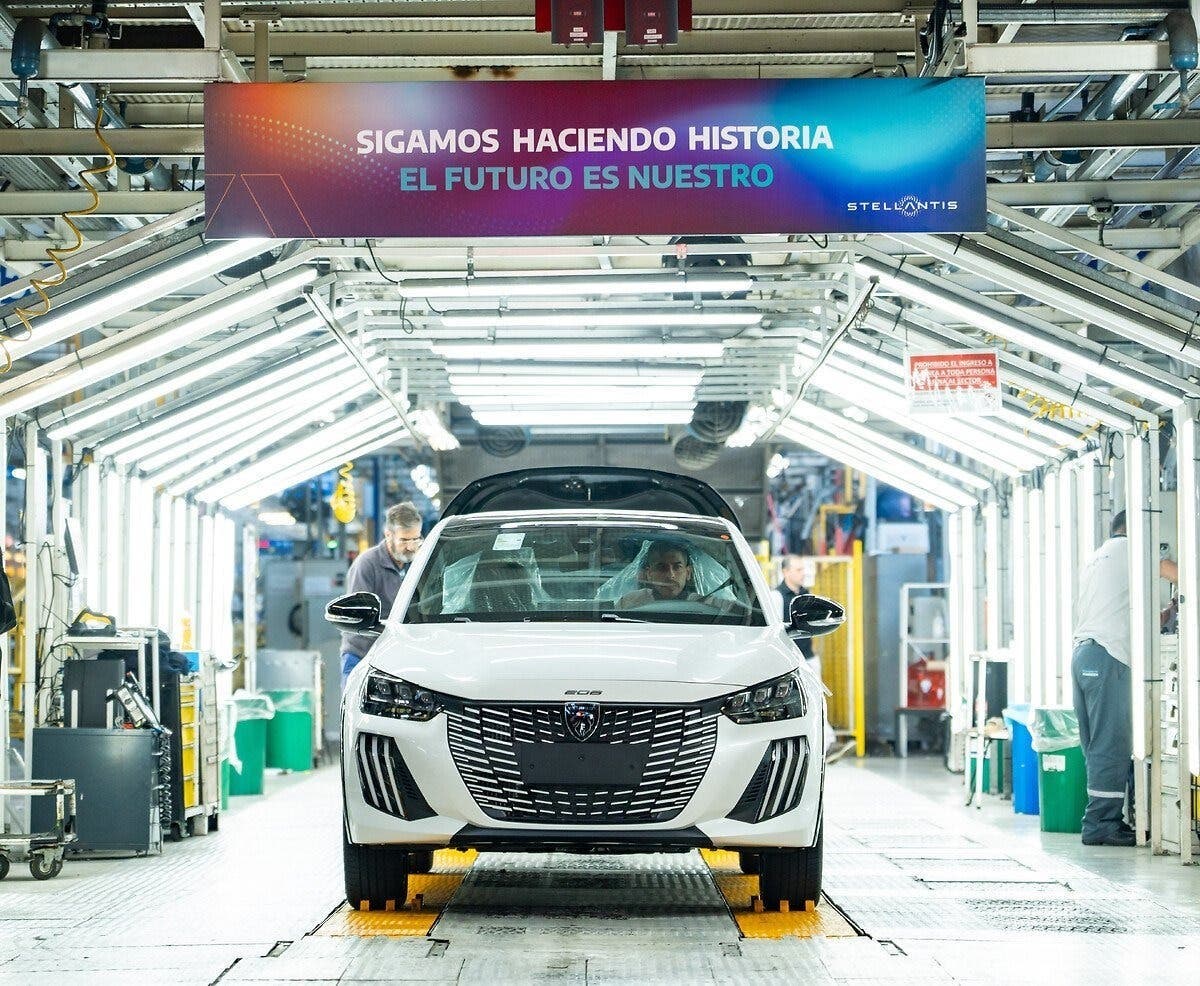
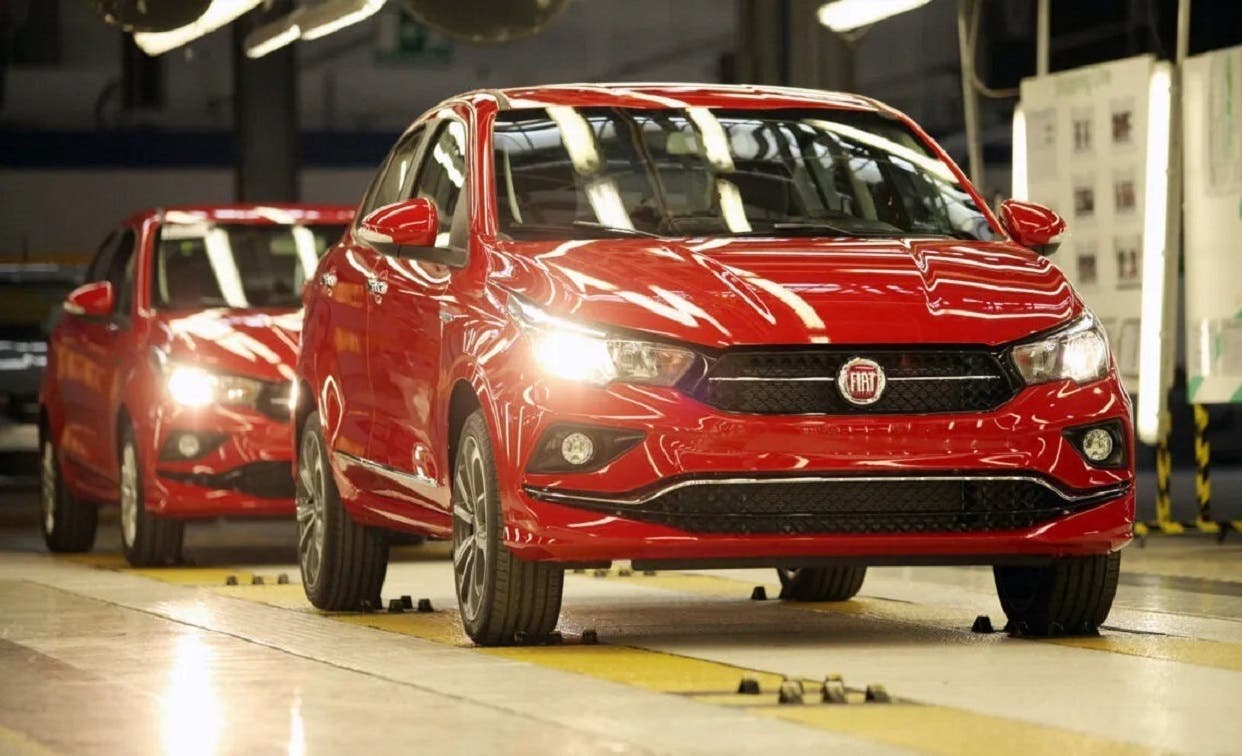
The Córdoba industrial complex will therefore continue adding new operations alongside production of the Fiat Cronos and the Fiat Titano and Ram Dakota pickups. Stellantis expects the new engine plant to begin producing the 2.2-liter Multijet turbodiesel in 2027, supplying vehicles built in Argentina and exports to Brazil, where the engine powers models including the Fiat Toro and Jeep Commander.
The outlook for pickups appears more favorable than for passenger cars, which account for much of Zola’s concern. The executive believes the models built in Ferreyra remain more competitive against imports, creating a more difficult situation for El Palomar in Buenos Aires province.
That plant builds the Peugeot 208 and 2008, two models facing major changes in the Argentine market. Zola told Exame that Peugeot’s market share has fallen to around 5%, compared with roughly 9% a year earlier. He linked the decline and resulting production adjustments to Argentina’s greater openness to imports, which has increased competition from both Chinese vehicles and cars built in Brazil.
Zola also said labor costs in Argentina are twice as high as in Brazil. A smaller local supplier network forces Stellantis to import many components from the neighboring country, adding another disadvantage for Argentine production. Those conditions formed the basis of his comments about the different possible futures for the company’s two plants.
Brazil accounts for 65% of Stellantis’ regional volume, giving the country considerable influence over the future of the group’s Argentine operations. Rules covering imports and the local assembly of foreign vehicle kits could also affect decisions on upcoming models, which is why Zola wants stable conditions that allow Stellantis to plan future investments with greater certainty.
Competition from new manufacturers also raises questions about their contribution to the local supply chain, from Brazilian steel purchases to tires and other components. Stellantis wants clearer rules defining the industrial commitments required from companies entering the Brazilian market so it can make future production decisions under predictable conditions.