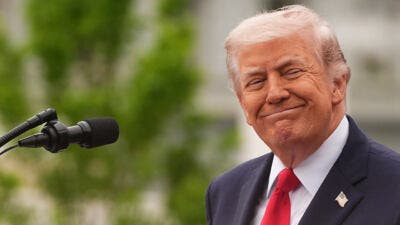
Donald Trump’s openness to Chinese automakers building cars in the United States has created a divide between the White House and Detroit’s auto industry. The president said he would welcome Chinese companies manufacturing vehicles in the US as long as their factories employ American workers. The group representing Ford, General Motors and Stellantis, however, argues that local production alone would not guarantee a level playing field.
US automakers challenge Trump’s plan to welcome Chinese carmakers
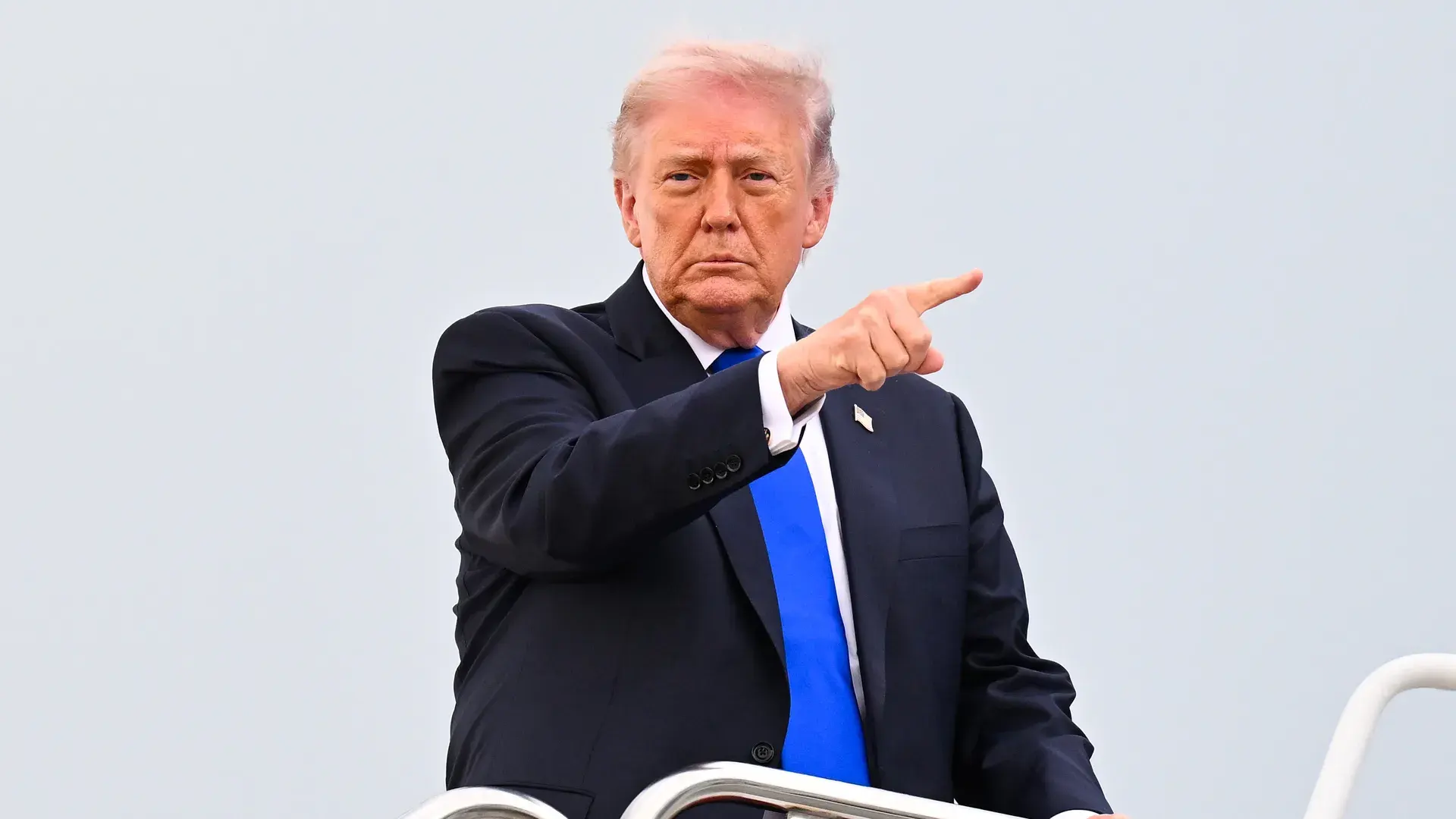
The response came from the American Automotive Policy Council, led by Matt Blunt. The organization argues that Chinese automakers benefit from government subsidies, currency practices and other non-market advantages. According to the AAPC, allowing those companies to enter the US without addressing those factors could hurt domestic automakers, their employees and the communities that depend on them.
Ford, General Motors and Stellantis did not issue individual responses to Trump’s comments, instead leaving their common position to the organization that represents their policy interests in Washington. Their concern centers on the possibility that a Chinese-owned US factory could continue benefiting from support received by its parent company in China while employing American workers.
Trump discussed the issue during a Fox News interview on September 11, comparing the idea with Japanese automakers that have operated US factories for decades. In his view, creating American jobs would be the key consideration. Detroit’s industry group disputes that comparison, arguing that Chinese companies operate under different economic conditions.
The debate comes as the same administration criticizes existing industrial ties between American companies and Chinese partners. Transportation Secretary Sean Duffy recently targeted Ford over its relationships with CATL and Geely, arguing that the automaker should reduce its reliance on Chinese technology and manufacturing. Ford has defended its US investments and its control over its American facilities and workforce.
Ford therefore finds itself navigating two political messages that are difficult to reconcile. On one side, the company must defend its technology partnerships with Chinese businesses. On the other, the president has expressed openness to Chinese automakers entering the United States directly and potentially competing with Detroit manufacturers.
CEO Jim Farley has already acknowledged how far Chinese cars have progressed. He previously revealed that he had driven a Xiaomi SU7 for six months, describing the car positively and saying he did not want to give it up. His comments illustrate the attention Ford is paying to Chinese competitors, but they should not be interpreted as support for their entry into the US market.
Trump’s comments remain a statement of political openness rather than an announcement of a new factory or a defined regulatory framework for Chinese automakers. Current US rules and tariffs still create major barriers to Chinese vehicle sales and production in the country.
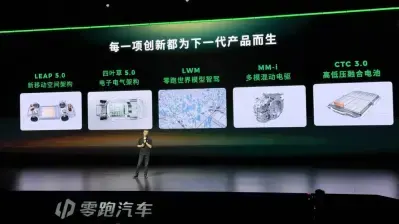
Meanwhile, Stellantis continues its partnership with Leapmotor and is pursuing a new European joint venture with Dongfeng. The group is also in talks with Huawei and JAC over a possible long-term industrial partnership involving future Maserati models, although Stellantis has not announced a final agreement with the two companies.