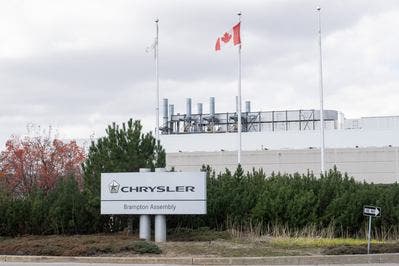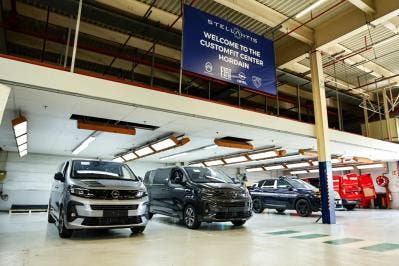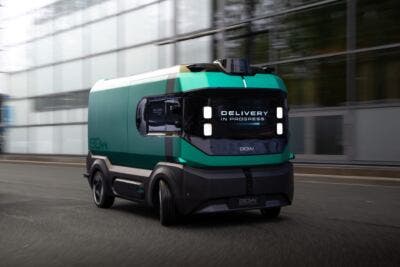
Stellantis’ European factories could become an important asset for Chinese automakers looking to build vehicles on the continent. The group is developing this strategy through Leapmotor and Dongfeng, with projects that could bring new models to existing plants. Chinese companies would gain a faster route into European production, while Stellantis could increase utilization across its manufacturing network. A possible Maserati partnership with Huawei and JAC fits into the same broader picture.
Stellantis bets on European factories as Chinese brands look for local production

One of the plants involved is Rennes, France, where the plan announced with Dongfeng could bring production of the Chinese partner’s electrified vehicles. The two companies have also discussed creating a European joint venture controlled 51 percent by Stellantis, which could handle sales of Voyah models in selected markets.
The partnership could also cover engineering and purchasing, allowing both groups to share resources. The memorandum they signed remains non-binding, however, and the program still needs final agreements and regulatory approvals before moving forward.
Stellantis already has a working structure with Leapmotor through Leapmotor International, another joint venture in which Stellantis holds a majority stake. An industrial expansion announced in May includes the Spanish plants in Zaragoza and Villaverde, where Leapmotor production could eventually run alongside vehicles from Stellantis’ European brands.
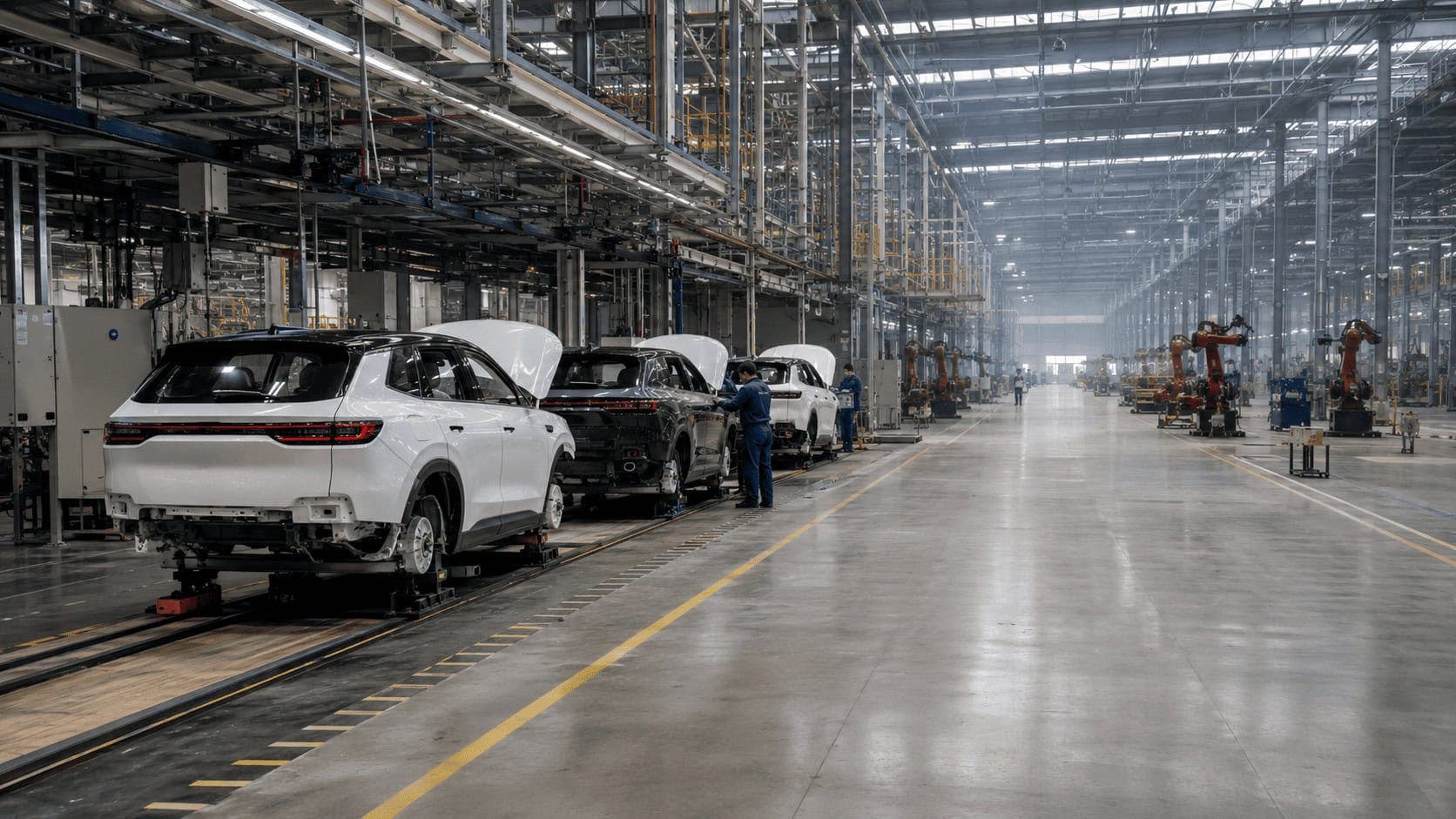
The companies have also discussed transferring ownership of the Villaverde plant to the Spanish subsidiary of the joint venture. The proposals therefore go beyond simply giving Chinese brands space on existing production lines and could also change how some factories operate and who manages them.
Other Chinese automakers are also looking for existing European plants. Alfredo Altavilla, BYD’s European adviser and a former FCA executive, told Reuters that companies are particularly interested in facilities that could start production more quickly than entirely new factories.
BYD is following that approach as it expands beyond Hungary. Spain and France rank among the preferred locations for a second European plant, with a decision expected by the end of the year. Over the longer term, Altavilla said the company could need three vehicle factories and one battery plant in Europe.
Brussels’ work on new European-content requirements is adding urgency to local production plans. A higher share of components made within the EU could become necessary to meet future rules.
Stellantis already has the manufacturing and commercial network that potential partners need. Whether that becomes a real competitive advantage will depend on which models actually reach those factories and how much volume they generate. Having available production capacity alone does not guarantee enough orders to keep a plant fully utilized.