Just when Stellantis thought it had masterfully fenced off the North American market from its own eastern affairs, domestic politics decided to throw a massive wrench into the gearbox.
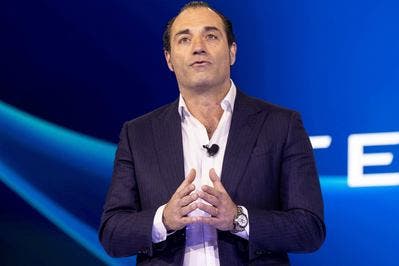
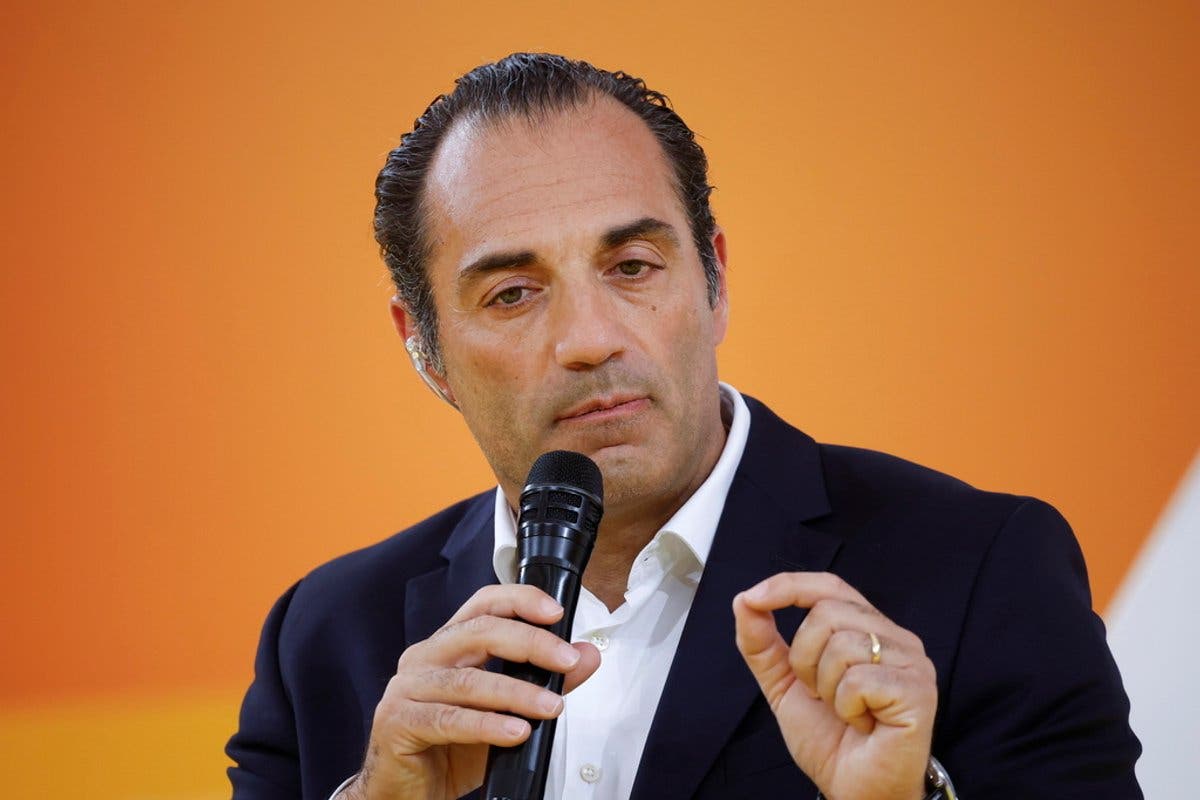
Antonio Filosa, Stellantis’ top executive for the region, recently laid out what sounded like a pristine, isolationist doctrine: North America is an island. Vehicles destined for American driveways will rely strictly on homegrown engineering, local R&D, and good old Detroit effort. Meanwhile, Stellantis’ cozy, tech-sharing partnerships with Chinese powerhouses like Leapmotor and Dongfeng live for Europe and global markets. A nice, tidy separation, or so they thought.
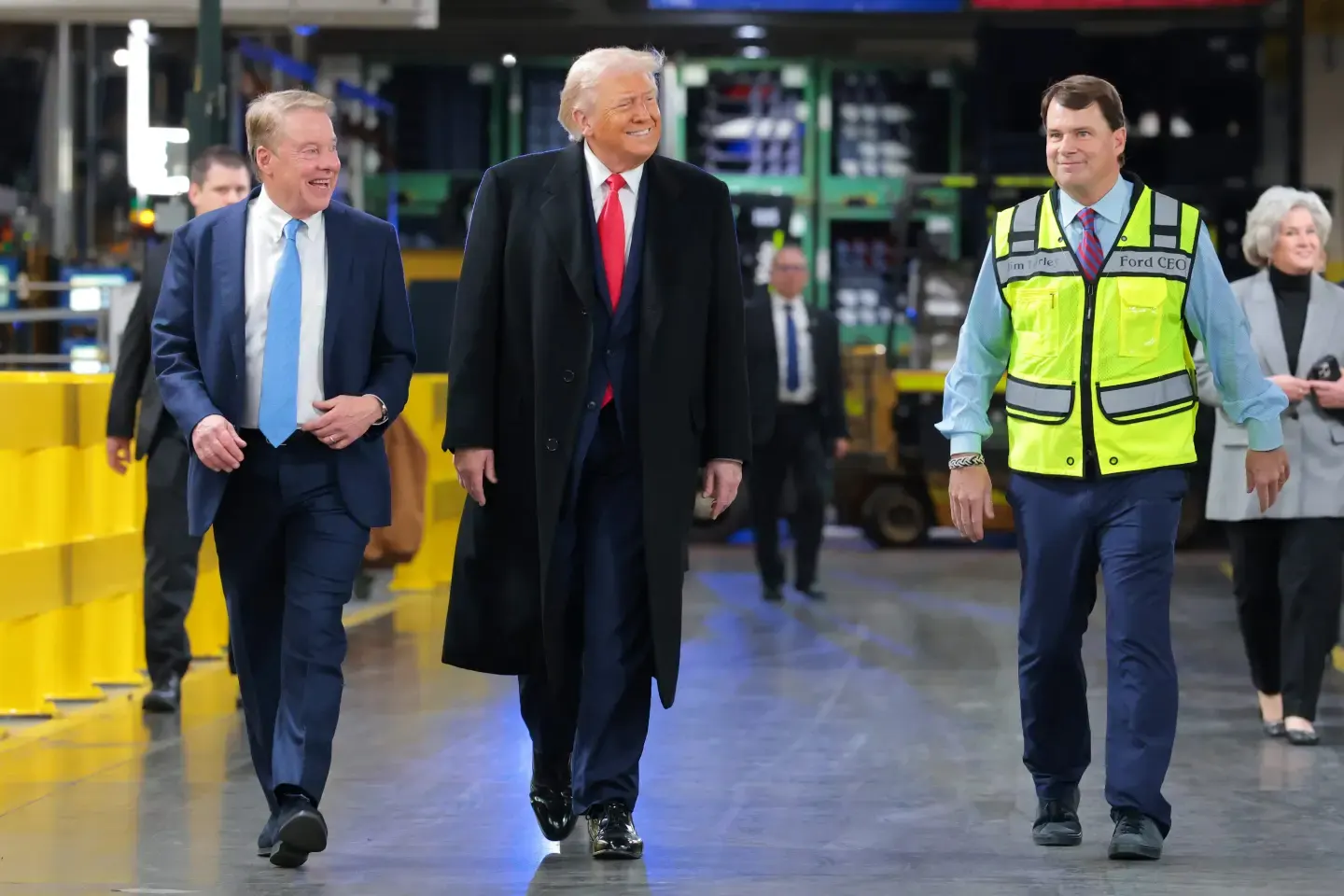
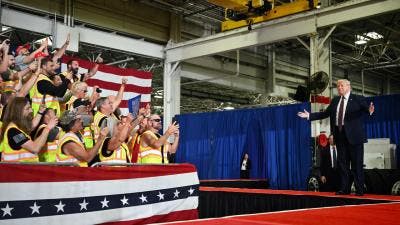
Enter Donald Trump with a plot twist that has corporate boardrooms double-checking their morning coffee. The former president signaled that he would have zero issues with Chinese automakers building cars right on American soil, provided they construct local plants and put American workers on the payroll. What he won’t tolerate is Mexico “back-door trampoline” into the US market. Considering that Chinese vehicles are currently locked out by punishing tariffs and strict federal tech restrictions, Trump’s open-door invitation for local manufacturing flips the entire protectionist playbook on its head.
For Stellantis, the irony is thick enough to stall an engine. On one hand, the corporate giant is a prominent member of the Alliance for Automotive Innovation, a lobbying powerhouse currently begging Congress to permanently ban Chinese connected vehicles and software from touching American asphalt. On the other hand, Stellantis is happily piggybacking on Chinese EV platforms and budget-friendly technology to survive and thrive across the rest of the planet.
To be fair, Filosa hasn’t suddenly ordered a fleet of Leapmotor badges for US showrooms. Stellantis firmly maintains there are zero plans to bring its Chinese ventures across the Atlantic. However, Trump’s willingness to roll out the red carpet for foreign-owned domestic assembly lines introduces a chaotic new variable. If Chinese rivals end up building factories in the American heartland, Stellantis’ strategy of relying purely on legacy local engineering might transform from a proud corporate stance into a very expensive competitive bottleneck overnight.