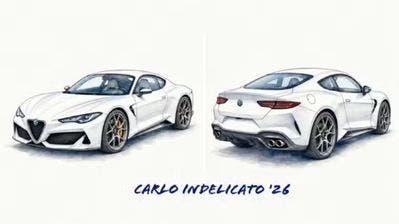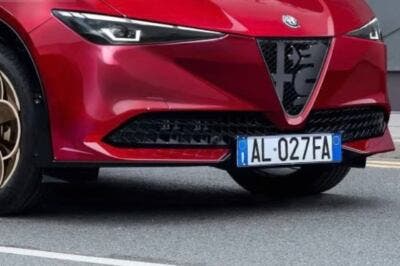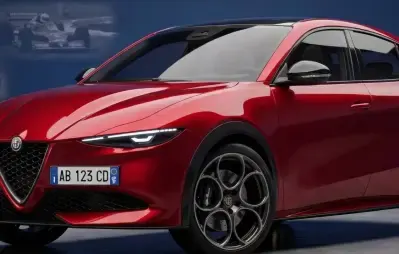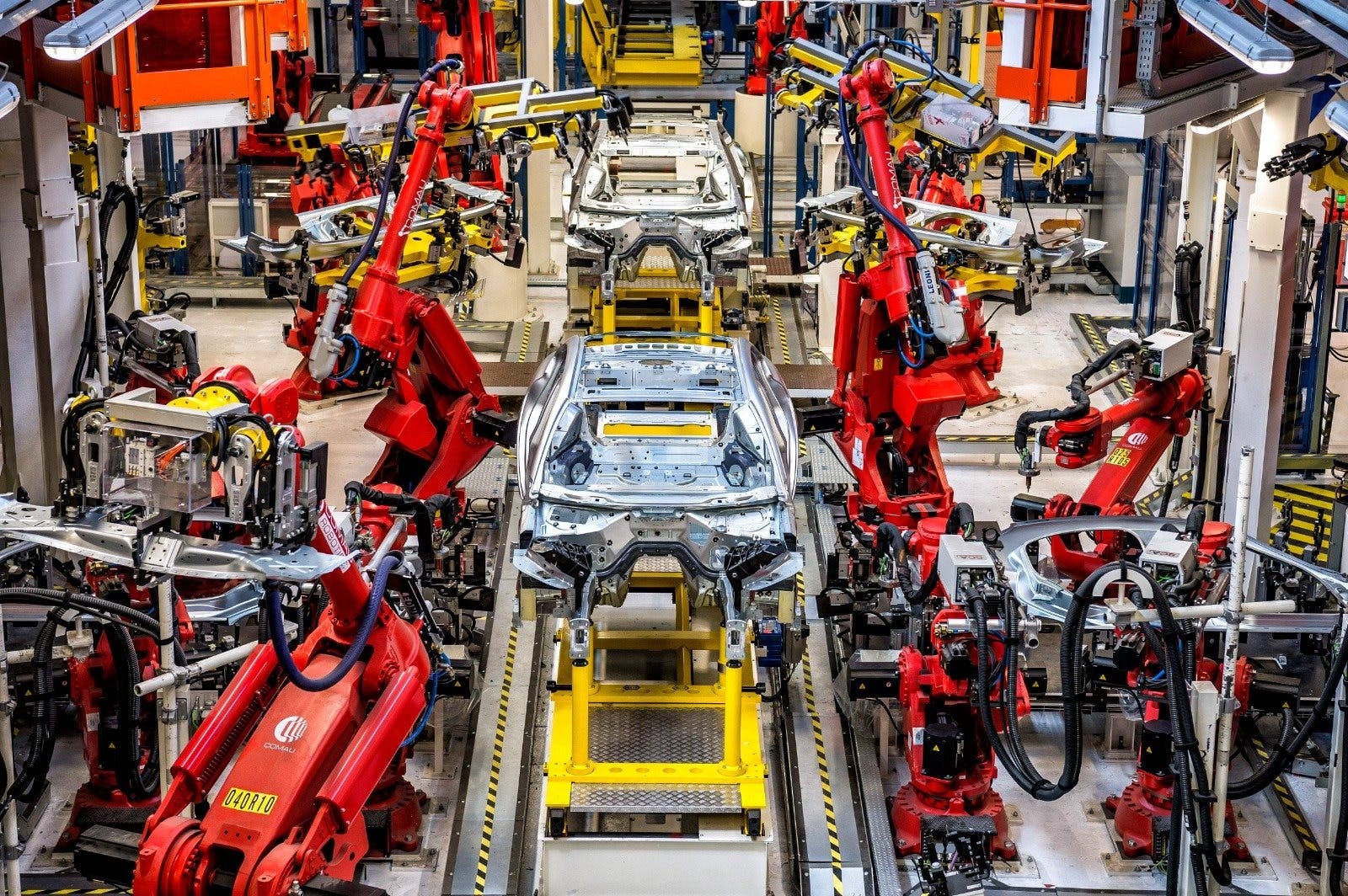
The current Alfa Romeo Giulia and Stelvio should remain in production at least through the end of 2027, but Cassino may build them under a different manufacturing setup. According to Alessio Porcu, the two models could leave Building 2 and move to Building 0, where workers would perform more operations by hand and the line would run at a slower pace than today.
Alfa Romeo could move Giulia and Stelvio to more handcrafted production in Cassino
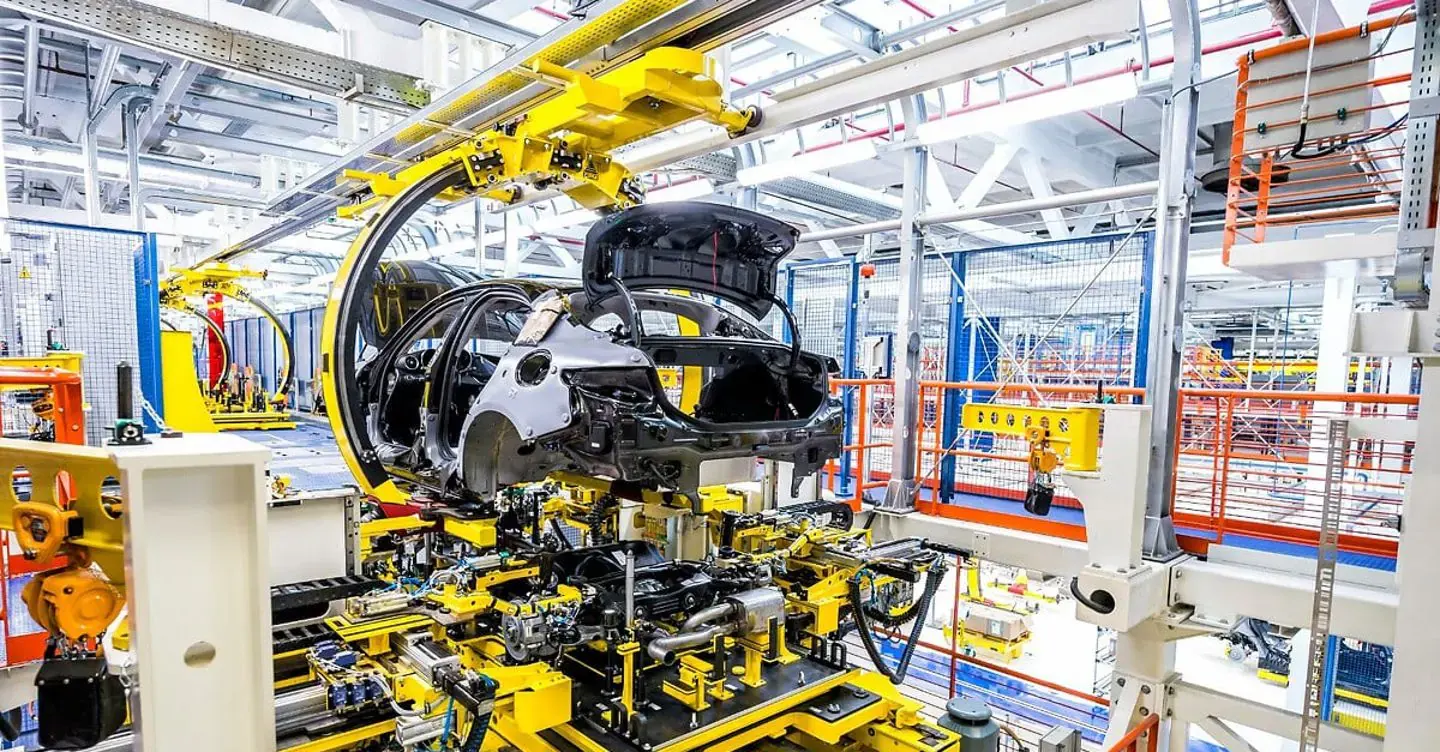
The report comes as the plant manages both the wait for the next-generation models and production volumes that now sit far below the levels seen during Cassino’s busiest years. The proposed move would help Stellantis organize the factory around much smaller numbers while keeping both Alfa Romeo models in production.
Figures attributed to FIM-CISL and UILM show how sharply output has fallen. Cassino built 135,263 cars in 2017, but production dropped to 26,800 units in 2024. The following year brought another decline to 19,364 vehicles, an 85.7 percent drop compared with 2017.
The first half of 2026 also remained weak, with around 6,700 cars leaving the plant. Giulia and Stelvio accounted for 4,125 units, while the remaining 2,575 were Maserati Grecale models. The report also mentions only 45 working days from the start of the year through July 22, along with more than 500 employees covered by reduced-work agreements.
Moving production to Building 0 would also require specific training for workers. The greater reliance on manual operations has encouraged comparisons with more artisanal manufacturing methods, but the available information mainly points to an adjustment for lower production volumes. It does not, by itself, prove that the cars will gain better build quality.
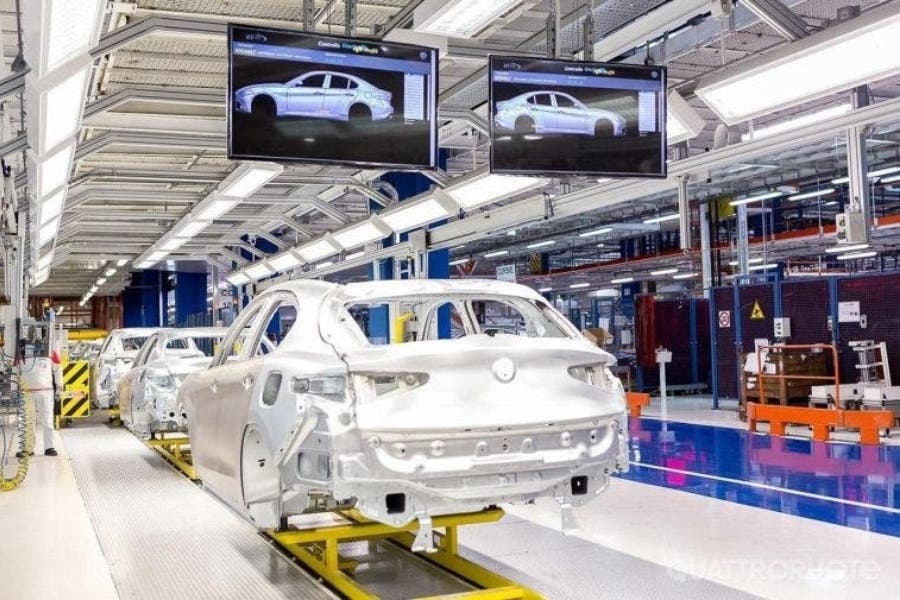
Delays to the Giulia and Stelvio successors are also helping extend the life of the current models. Alfa Romeo has revised its future powertrain plans as well, moving away from an EV-only strategy, although the company has not yet provided a firm launch timetable for their replacements.
Stellantis originally designed the STLA Large platform to support electric, hybrid and combustion powertrains. The shift therefore concerns Alfa Romeo’s product strategy rather than a new technical capability for the architecture.
Building 2 could meanwhile focus mainly on Maserati production and the next Grecale. Stellantis still needs to define the details of both the Alfa Romeo transfer and the future use of the existing line, especially when it comes to timing, investment and workforce allocation.