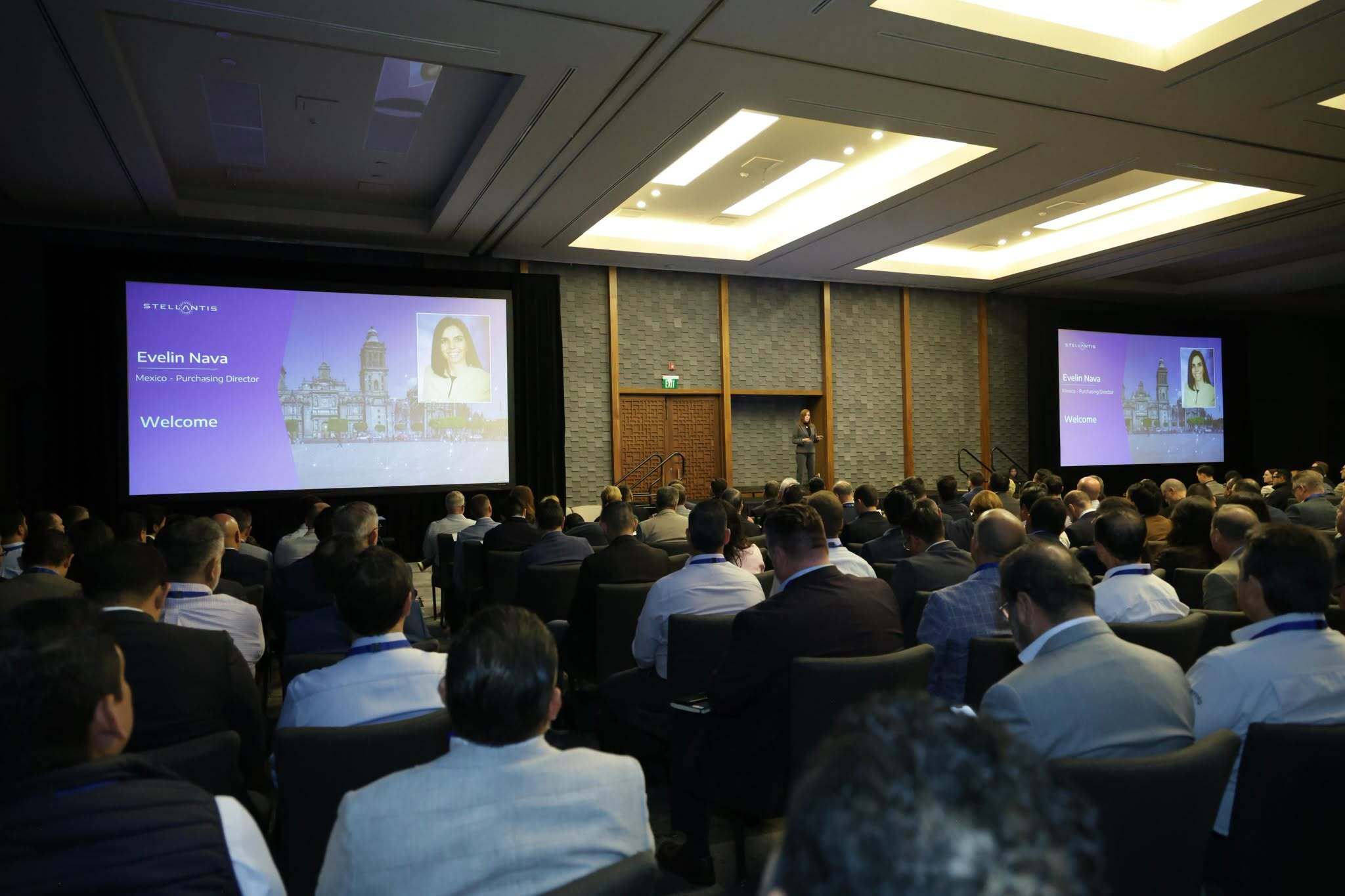
Somewhere between the corporate slides and the networking breaks at Stellantis’s 2026 Mexico Supplier Town Hall, 180 component suppliers received a polite yet frantic message wrapped in executive jargon: please don’t abandon ship.

To appreciate why a global automotive behemoth was practically begging Mexican parts suppliers for a long-term hug, you have to revisit the financial horror film of fiscal year 2025. Stellantis managed to crater its balance sheet with an eye-watering $26 billion loss, one of the largest in French corporate history.
Between a hastily departed CEO, open warfare with American dealers, and catastrophic EV write-downs, the empire looked primed for a fire sale. Yet while Detroit and Paris were burning, their Mexican division was quietly throwing the party of the decade.
During Q2 2026, Mexican operations notched a record 24,086 vehicle sales, up 19% year-over-year, punctuated by a June performance that skyrocketed 29%. Sales of the RAM 1200 nearly doubled, while first-half exports surged 51% to 210,283 units. In June 2026 alone, Stellantis shipped 42,637 vehicles out of Mexico, a staggering 82% leap compared to June 2025.
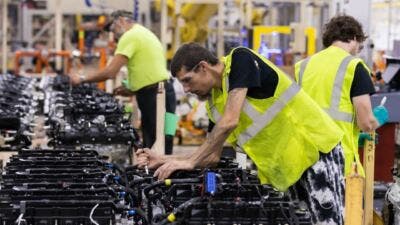
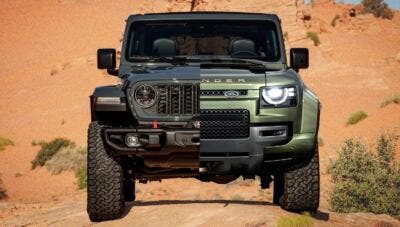
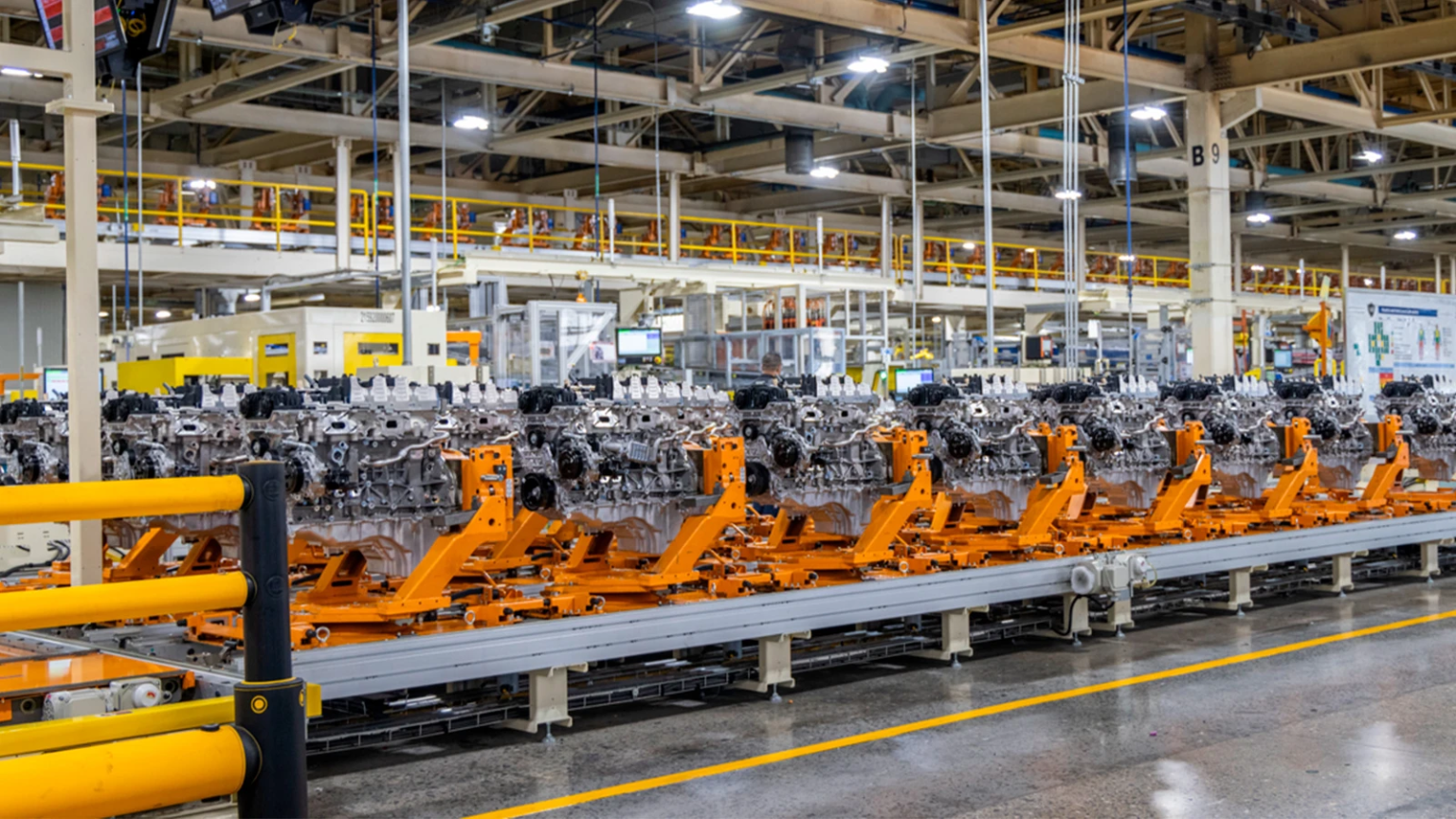
This was ruthless self-preservation. Shifting RAM 1500 production to the Saltillo complex was a tariff shelter under USMCA provisions, protecting their core North American cash cow. Down in Toluca, the plant was handed the ultimate high-stakes assignment: building the sixth-generation Jeep Cherokee hybrid and the electric Jeep Recon.
Then comes the weirdest geopolitical maneuver, Leapmotor. After buying a 21% stake and exclusive international rights, Stellantis launched the Chinese B10 compact SUV in Mexico in July 2026. Because Washington erected a 100% tariff wall against Chinese EVs, America is strictly off-limits. Mexico, operating under vastly different trade rules with China, became the backdoor staging ground for a brand the U.S. market literally banned.
Stellantis has technically returned to profitability in early 2027, touting the return of the Hemi engine and a brand revival. But read the map carefully. Mexico is the giant armored life raft keeping Stellantis afloat while it tries to remember how to sell cars in America.