Stellantis is officially squeezing the last drop out of the automotive life cycle, and this time, they’re doing it literally. In its quest to turn corporate green targets into tangible revenue, the megagroup’s circular economy division, Circular Autopeças, has decided that yesterday’s engine sludge is tomorrow’s premium lubricant.
Partnering with French oil specialist Motul and Brazilian re-refining giant Lwart, Stellantis is rolling out the Motul NGEN Circular Autopeças lube line in Brazil.
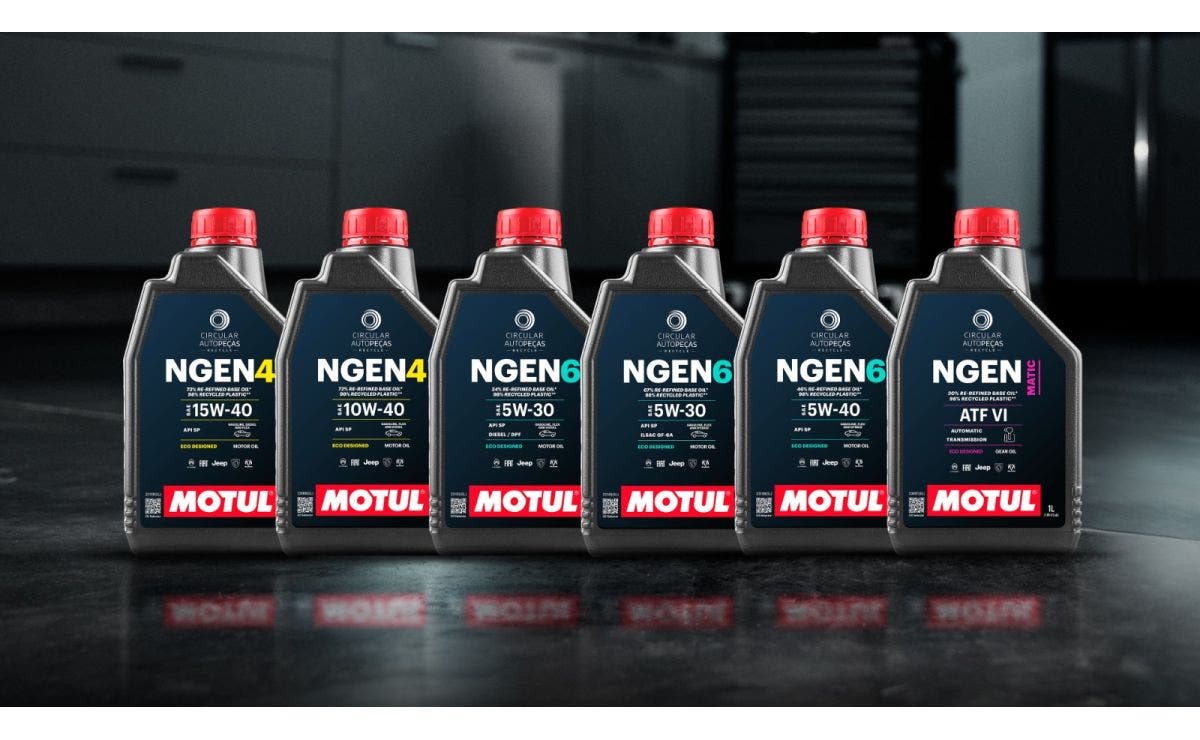
The core formula relies on re-refining used or contaminated lubricants, technically known as OLUC. Depending on the product, anywhere from 30% to 70% of the oil inside the bottle has already spent time inside someone else’s crankcase. According to project life-cycle assessments, this dirty-to-clean transformation slashes greenhouse gas emissions by an impressive 77% compared to virgin base oil refined in Brazil.
To feed this eco-friendly machine, Lwart collects roughly 4 million liters of used lubricant annually directly from Stellantis’ Osasco dismantling center and about 55% of its Brazilian dealer network, supplemented by a collection grid reaching 70% of the country.
Once collected, Lwart processes the crude goo back into a high-grade Group II base oil, handing the baton to Motul for formulation, custom additive blending, and rigorous quality control.
Interestingly, Stellantis isn’t keeping this eco-liquid reserved for its own badges. The product line is built to disrupt South America’s independent automotive aftermarket, introducing five engine oil viscosities (5W-30, 5W-40, 10W-40, and 15W-40) alongside a dedicated automatic transmission fluid, the MOTUL NGEN MATIC ATF VI. Tailored for Brazil’s diverse fleet, these lubricants easily handle ethanol-heavy flex-fuel setups, gasoline, diesel, and turbocharged engines.
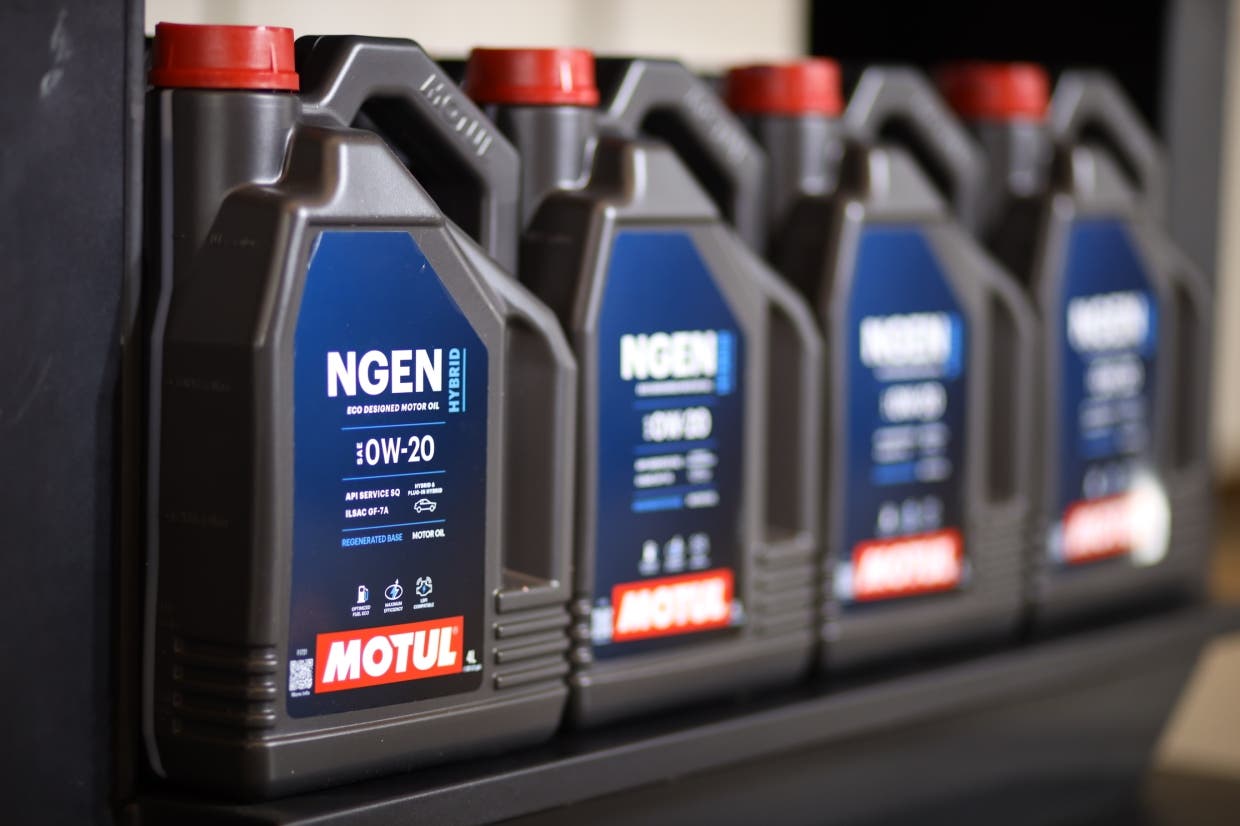
Even the packaging plays along, utilizing over 98% recycled plastic bottles that remain fully recyclable. Hitting Brazilian distributors this August through Motul, DPaschoal, and DPK Distribuidora, Stellantis aims to move 1 million liters in year one, scaling to 2 million annually within three years.
Anchored by the Osasco dismantling site and the Betim vehicle reconditioning plant, Stellantis is using Brazil as a testing ground before spreading its circular lube empire across South America.