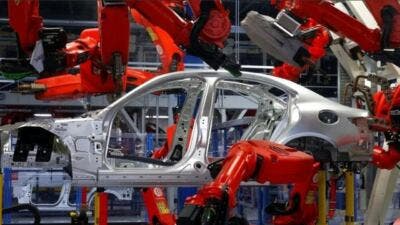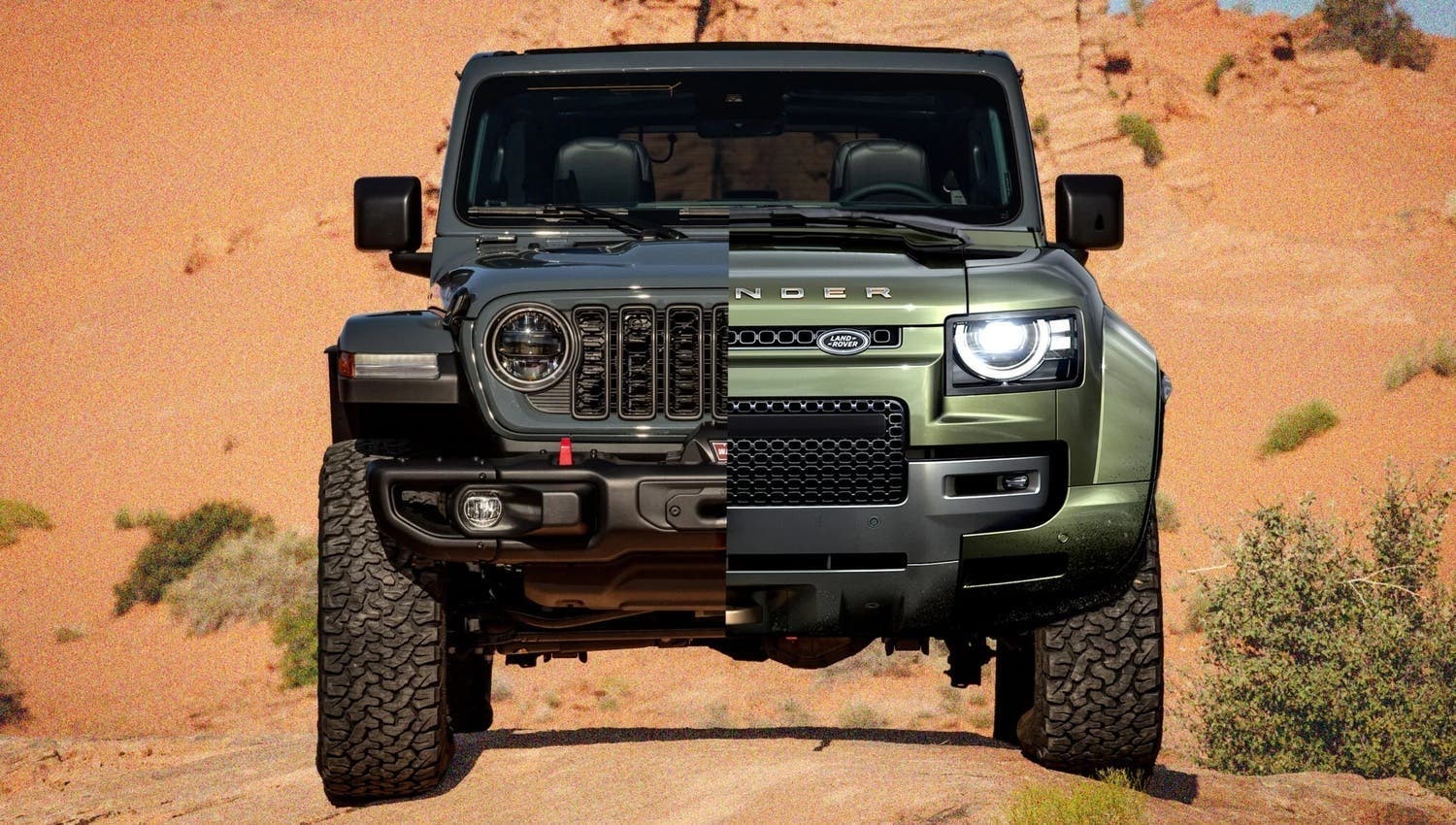
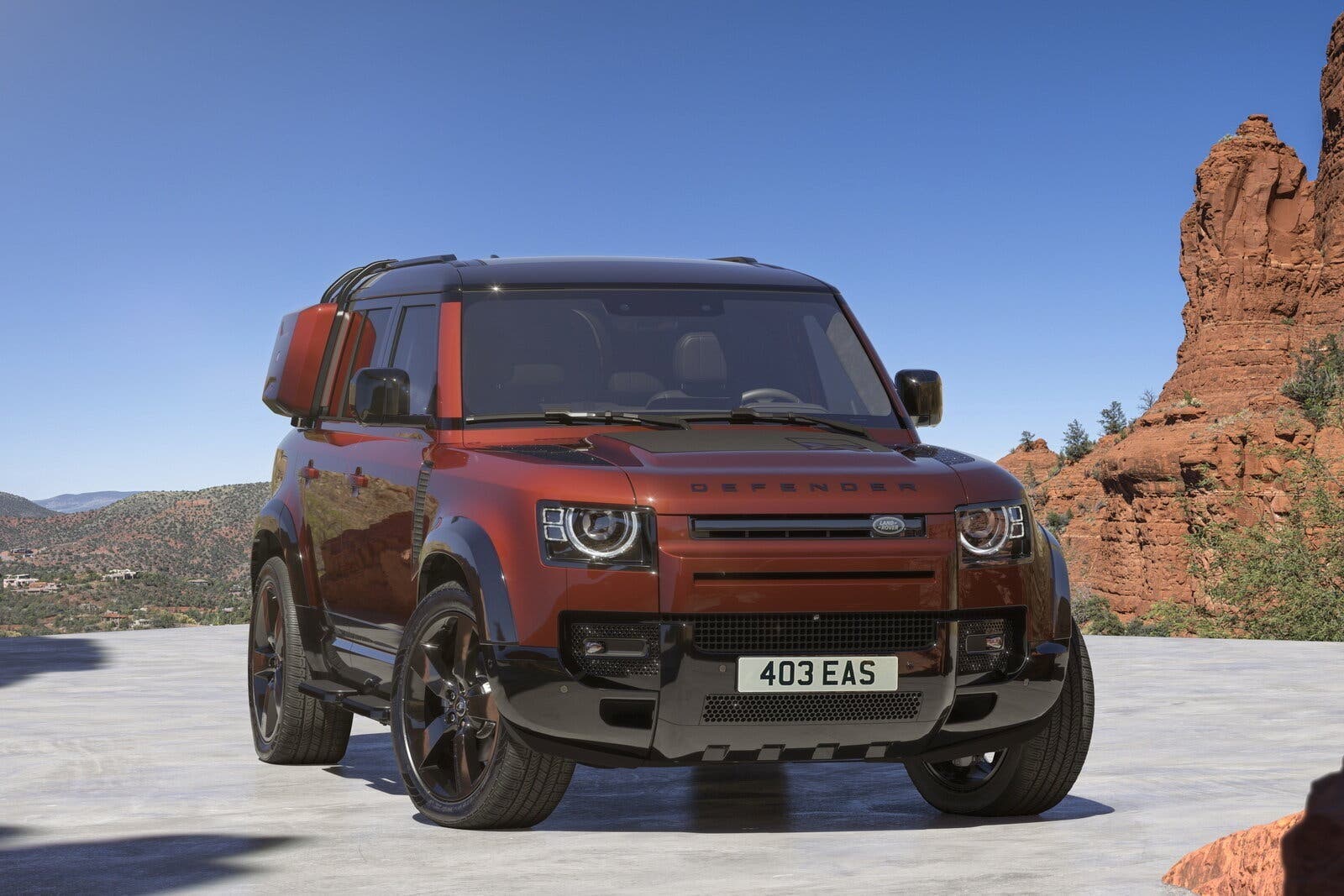
Jaguar Land Rover and Stellantis are exploring the possibility of building new Defender models in the United States specifically for local customers, rather than moving production of the current SUV across the Atlantic. Richard Molyneux, chief financial officer of the British group, explained during an August 13 conference call that the roughly 30,000 Defenders sold annually in the US would not justify a dedicated production line. Even an increase to 50,000 units would not change that assessment, which means JLR would need a different product strategy with higher volumes and a different market position.
Jaguar Land Rover and Stellantis explore new US-built Defender models
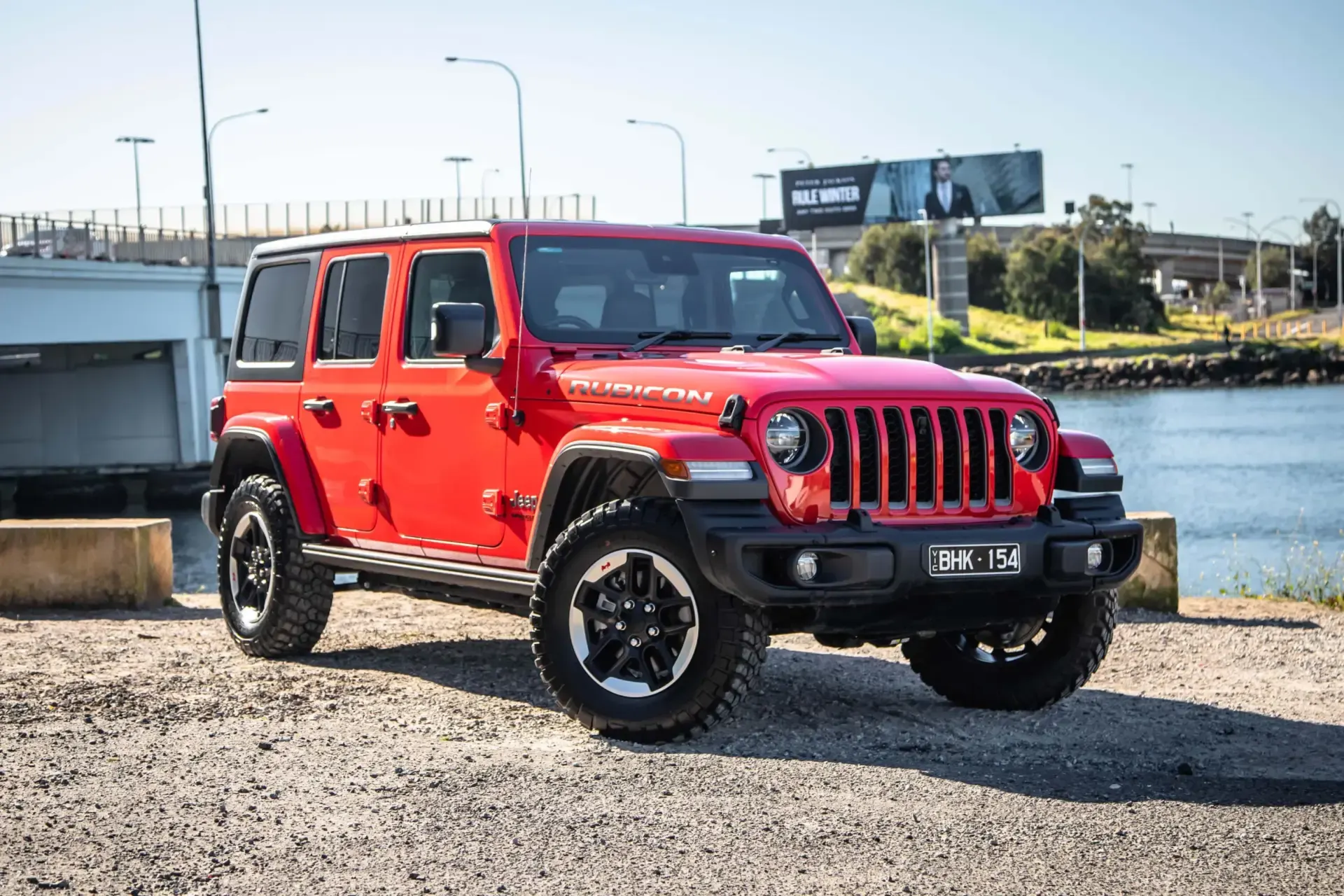
New Defender models aimed at segments the brand does not currently cover could expand its US customer base while using technology, components or manufacturing capacity supplied by Stellantis. One possibility under discussion involves a simpler and more affordable model than today’s Defender, with a traditional off-road focus that could challenge the Jeep Wrangler and Ford Bronco.
JLR has not revealed dimensions, powertrains or pricing, and the company has not confirmed that specific vehicle concept. The idea therefore remains one possible interpretation of the broader strategy the two automakers are studying.
JLR currently imports every vehicle it sells in the United States, while the Defender comes from its plant in Slovakia. That approach exposes the company to tariffs on vehicles manufactured outside the country. Available information points to a 10% tariff on vehicles from the United Kingdom and 15% on vehicles from the European Union.
US production could reduce that burden while bringing manufacturing closer to a market that accounted for nearly 100,000 JLR vehicles during the latest fiscal year, representing about 28% of the company’s global volume.
North America became even more important during the quarter that ended in June, when the region accounted for 34% of JLR’s worldwide sales. That growth strengthens the case for establishing a direct manufacturing presence in the United States.
A partnership with Stellantis could allow JLR to use existing factories, resources and supplier networks instead of developing an entirely new manufacturing site. Shared platforms or components could also spread development and production costs across a larger number of vehicles. The actual benefits, however, will depend on the structure of the agreement and the models both companies ultimately choose.
The exploratory agreement signed in May could lead to a memorandum of understanding before the end of the year, helping the companies define investment levels, timing and manufacturing responsibilities in greater detail. Such an agreement would not automatically trigger production or guarantee the arrival of a new Defender model.
JLR and Stellantis are still evaluating whether a US-focused lineup could generate enough volume to support local production, reduce exposure to tariffs and enter market segments where the British brand currently has no direct offering.