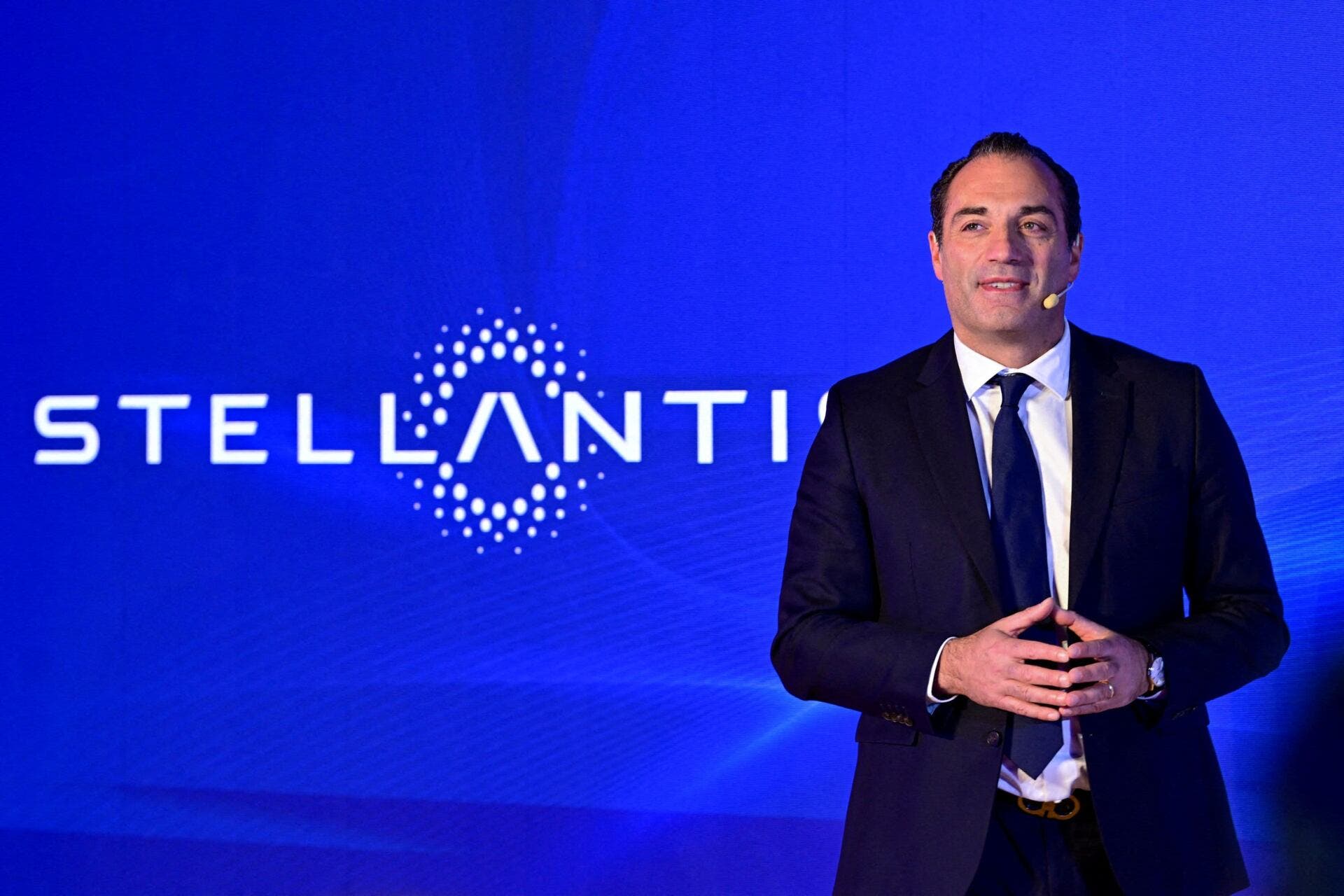
Stellantis has finally noticed that managing 14 distinct automotive brands is like hosting an expensive hoarders’ convention. Enter FaSTLAne 2030, a $70 billion turnaround plan designed to distill the chaos down to four core profit drivers: Jeep, Ram, Fiat, and Peugeot.
Sitting at a modest $12 billion market capitalization, a figure so low it makes Rivian’s $19 billion evaluation look like a tech giant, Stellantis is desperate to win back cost-conscious Americans. The headline promise? Launching nine North American vehicles under $40,000, including two priced under $30,000, before inflation renders paper money completely decorative.
However, cheap cars mean very little if the doors fall off on the highway, bringing us to Stellantis’s true final boss: initial build quality. According to the 2026 J.D. Power Initial Quality Study, Ram owners reported a staggering 222 problems per 100 vehicles (PP100), while Jeep logged an uninspiring 182. Both figures lag well behind the 175 PP100 industry average.
To stop the bleed, CEO Antonio Filosa went on a hiring spree in 2025, onboarding over 2,000 engineers and establishing nearly 50 dedicated quality “war rooms”. In these corporate battle stations, technicians aggressively tackle faulty components with the ambitious goal of dragging every Stellantis brand into top-quartile reliability by 2028.
Naturally, Stellantis is attempting this miracle while simultaneously cutting costs. A parallel team of 3,000 engineers working under the “Value Creation Program” is tasked with wringing $7 billion in savings out of the manufacturing pipeline by 2028.
To stretch those dollars even further, Stellantis is attempting to match “Chinese speed” by compressing its vehicle development cycle from 44 months down to a frantic 24 months. Shrinking R&D timelines while aggressively cutting budgets and demanding zero defects sounds like a formula for corporate heartburn, but it’s the only way Stellantis can roll out its planned 60 new vehicles and 50 mid-cycle refreshes by 2030.
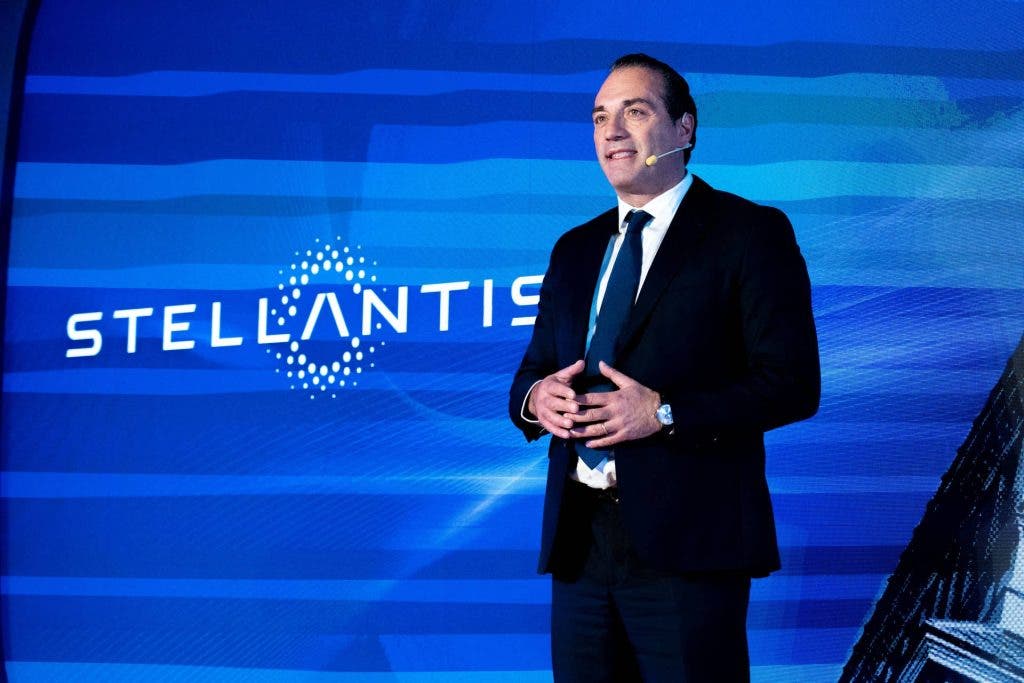
If Filosa’s high-speed, cost-slashing, war-room strategy succeeds, this battered automotive conglomerate might actually convert its tiny valuation into a massive turnaround victory.