

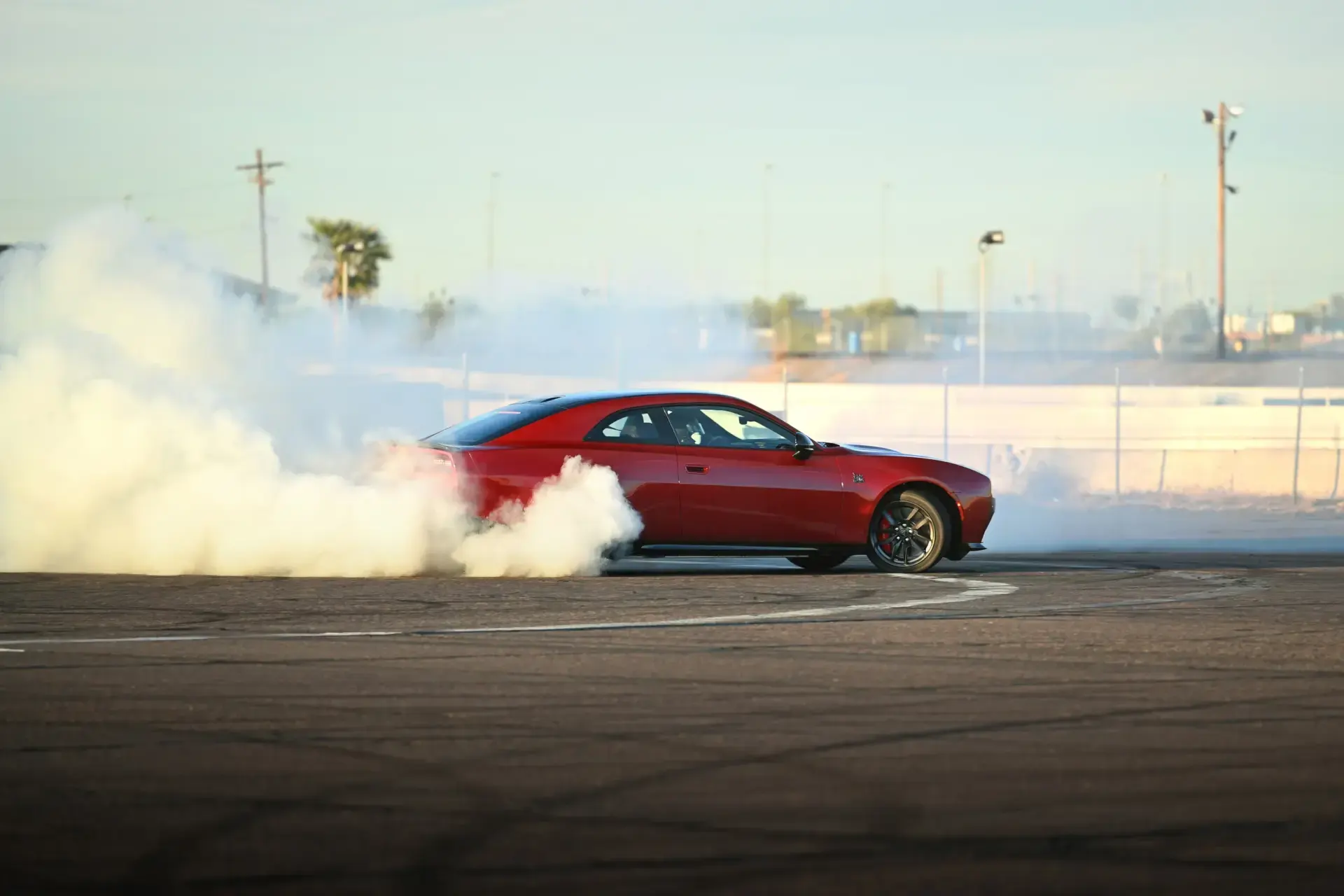
Stellantis has realized a frustrating truth about high-performance electric vehicles: absolute peak power is usually a fleeting illusion, strictly rationed by thermal limits and battery degradation. To fix this without melting lithium-ion cells, the corporate giant recently filed a patent, originally spotted by CarBuzz, describing a supercapacitor boost system that borrows a page directly from the exotic Lamborghini Sián playbook.
The core problem with modern EVs is that drivetrain software intentionally holds back maximum output during routine driving to shield the main battery pack from extreme stress.
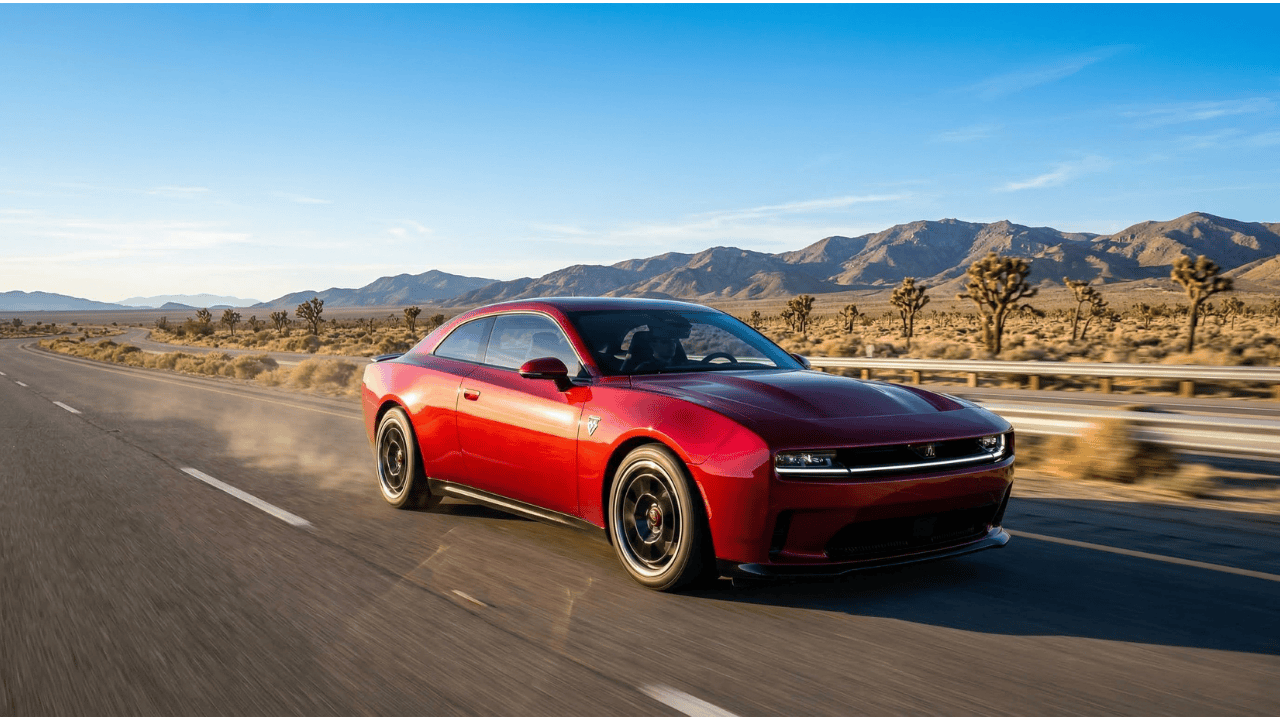
Stellantis proposes bypassing this limitation by pairing a standard 800-volt electrical architecture with a small, specialized 900-volt supercapacitor. Unlike chemical batteries that store energy slowly, supercapacitors can absorb and dump massive electrical charges in a flash. Flooring the accelerator pedal or engaging a dedicated drive mode triggers this secondary reservoir, delivering up to a 13 percent surge in instant power to the electric motors for a few chaotic seconds.
Recharging the system is equally clever. Rather than siphoning energy from the primary battery, the supercapacitor recharges ultra-fast using energy captured during aggressive regenerative braking. For performance-focused divisions like Dodge and SRT, this tech opens up intriguing possibilities.
The current Dodge Charger Daytona already uses a “PowerShot” feature to momentarily add 40 horsepower to its standard 630-horsepower output. Incorporating a 900-volt supercapacitor would allow Dodge to maintain a higher continuous power rating for everyday driving while keeping a massive, instantaneous shot of electric boost on standby for launch control.
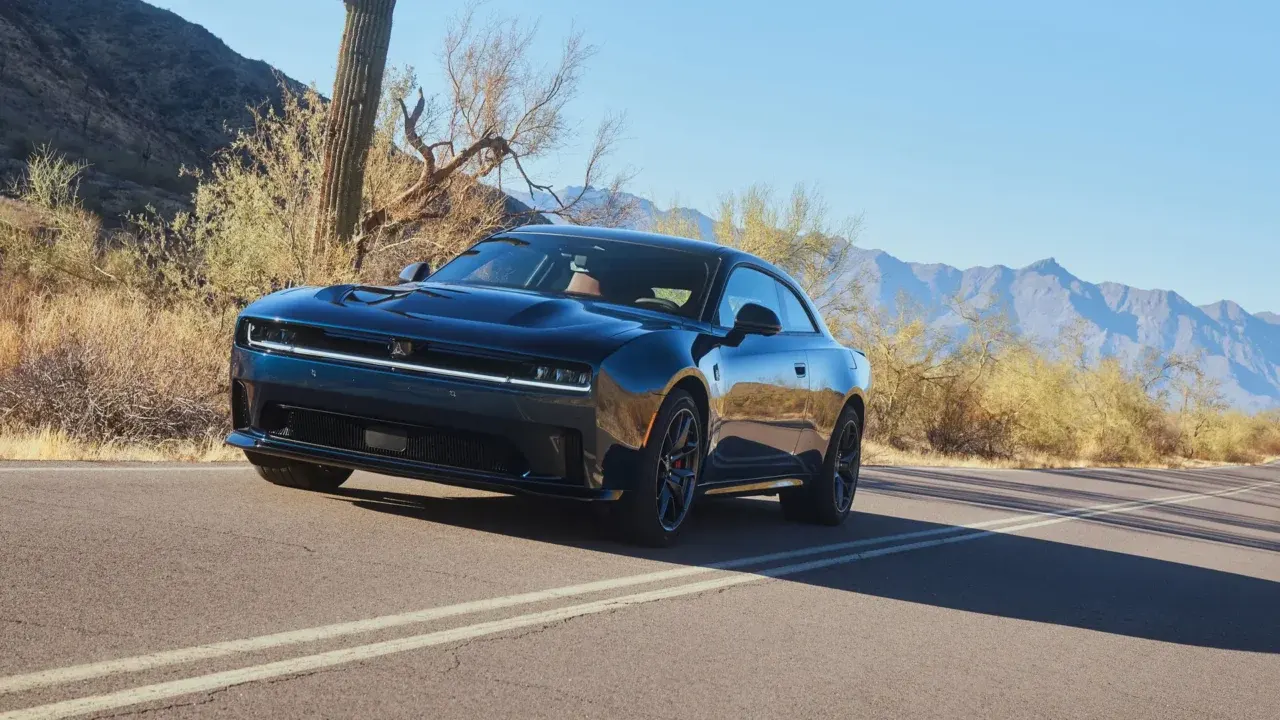
When paired with SRT’s ongoing development of eBoost electric turbochargers meant to eliminate turbo lag on hybrid setups, it is clear Stellantis is obsessed with delivering immediate throttle response. Granted, a patent filing is never a guaranteed promise of mass production; automakers routinely register intellectual property simply to fence off technical ideas from rivals.
However, as Detroit tries to make heavy, whisper-quiet electric muscle cars feel aggressive enough to satisfy traditional petrolheads, grafting hypercar-grade supercapacitors onto future Dodge drag racers might just be the most entertaining Hail Mary yet.