

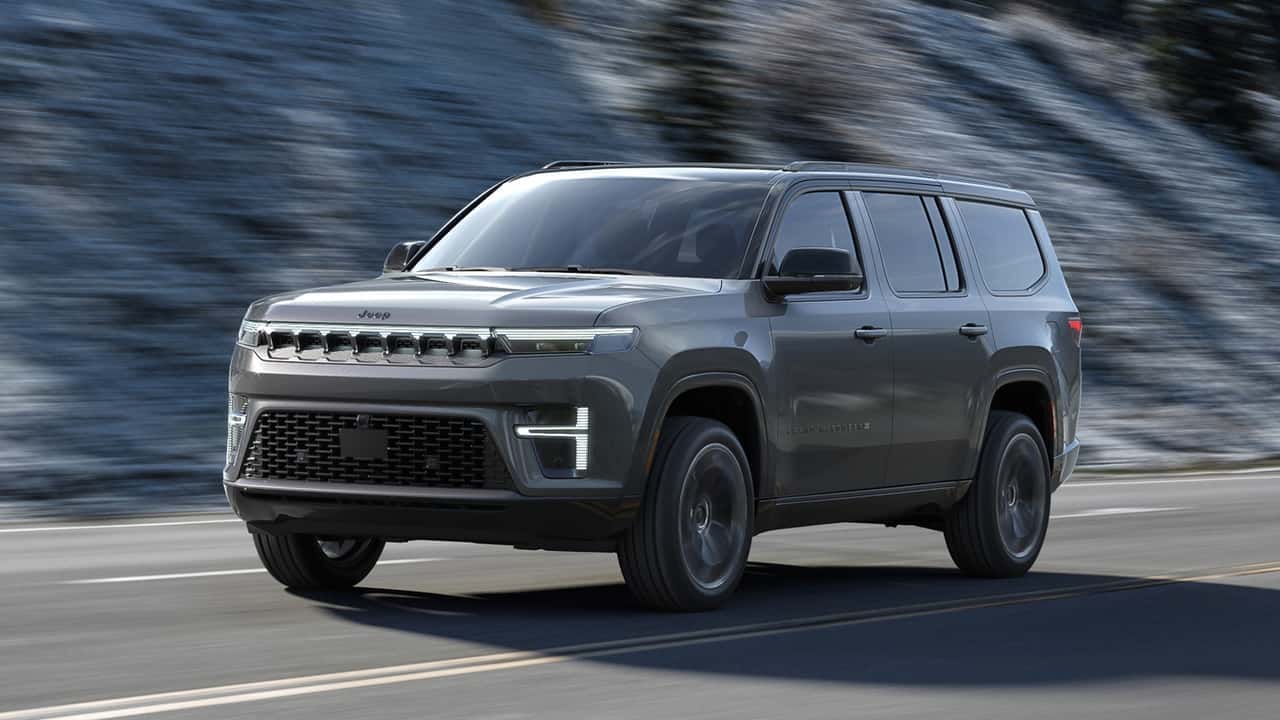
Production of the extended-range Jeep Grand Wagoneer could begin in November 2026, while the Ram 1500 REV may now face a new target of mid-April 2027. According to reports from the US automotive press, Stellantis has updated suppliers on its industrial plans and asked for more time to prepare both launches. These dates therefore remain separate from any officially confirmed production schedule.
Stellantis delays Jeep Grand Wagoneer and Ram 1500 REV again
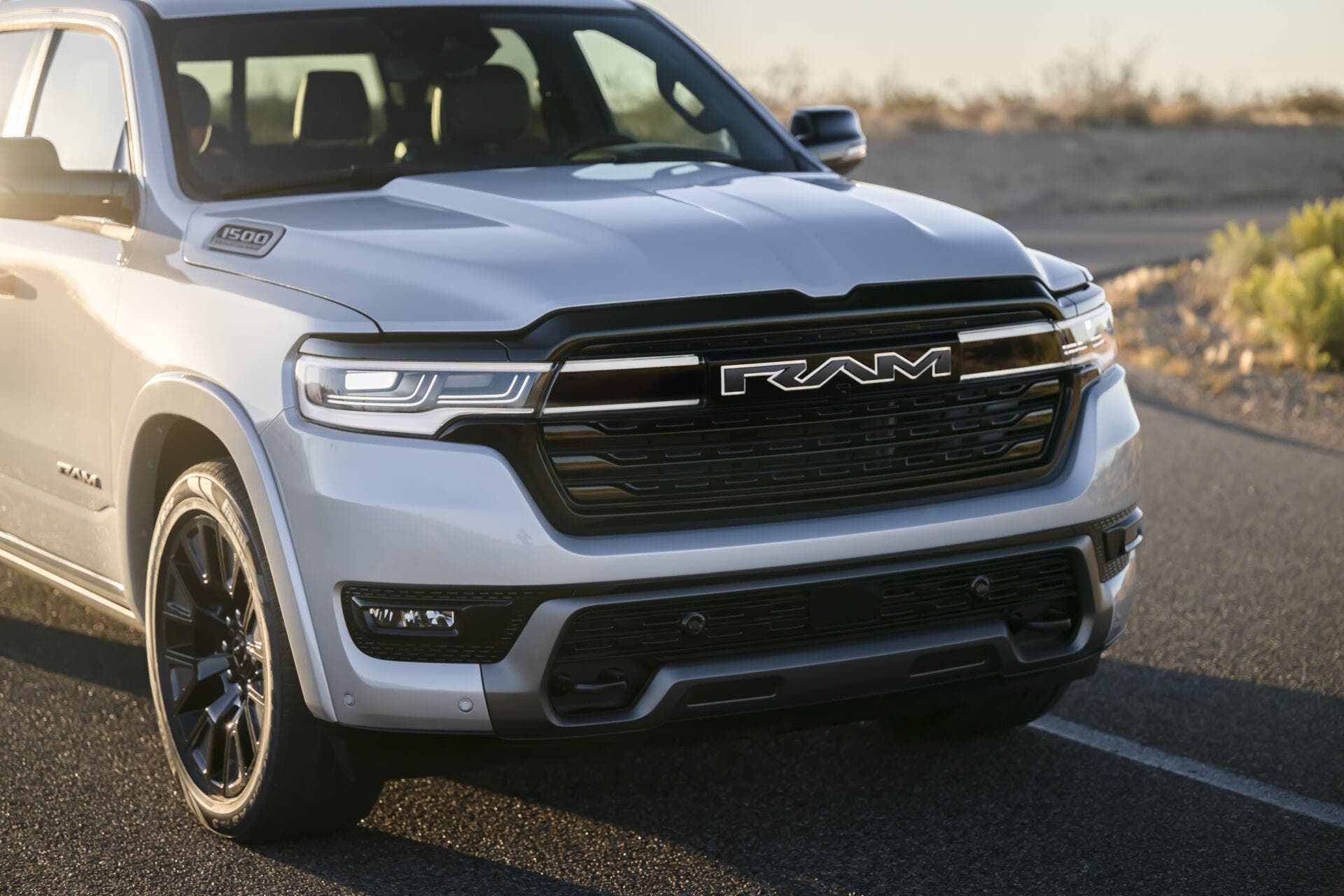
The biggest change affects the Ram pickup, which could slip by roughly nine months compared with the previous plan. The project has already gone through several revisions involving both launch order and commercial naming, while demand for large battery-electric pickups has softened. At the end of 2024, Stellantis had already decided to prioritize the extended-range version over the fully electric model, which at the time carried the REV name, before later canceling the 100% electric variant.
The pickup will use electric motors to drive the wheels, while the 3.6-liter Pentastar V6 will generate electricity rather than provide direct propulsion. The announced system combines a 92-kWh battery with a 130-kW generator, allowing drivers to recharge externally while also producing electricity on board. This setup aims to reduce dependence on charging stops during long trips, especially when the truck is towing.
The Grand Wagoneer could also see a significant delay. US reports now point to a November 2026 production start instead of May, pushing the schedule back by about six months. Stellantis plans to build the model at Warren Truck in Michigan, where the company is preparing electrified Wagoneer versions alongside traditional powertrains.
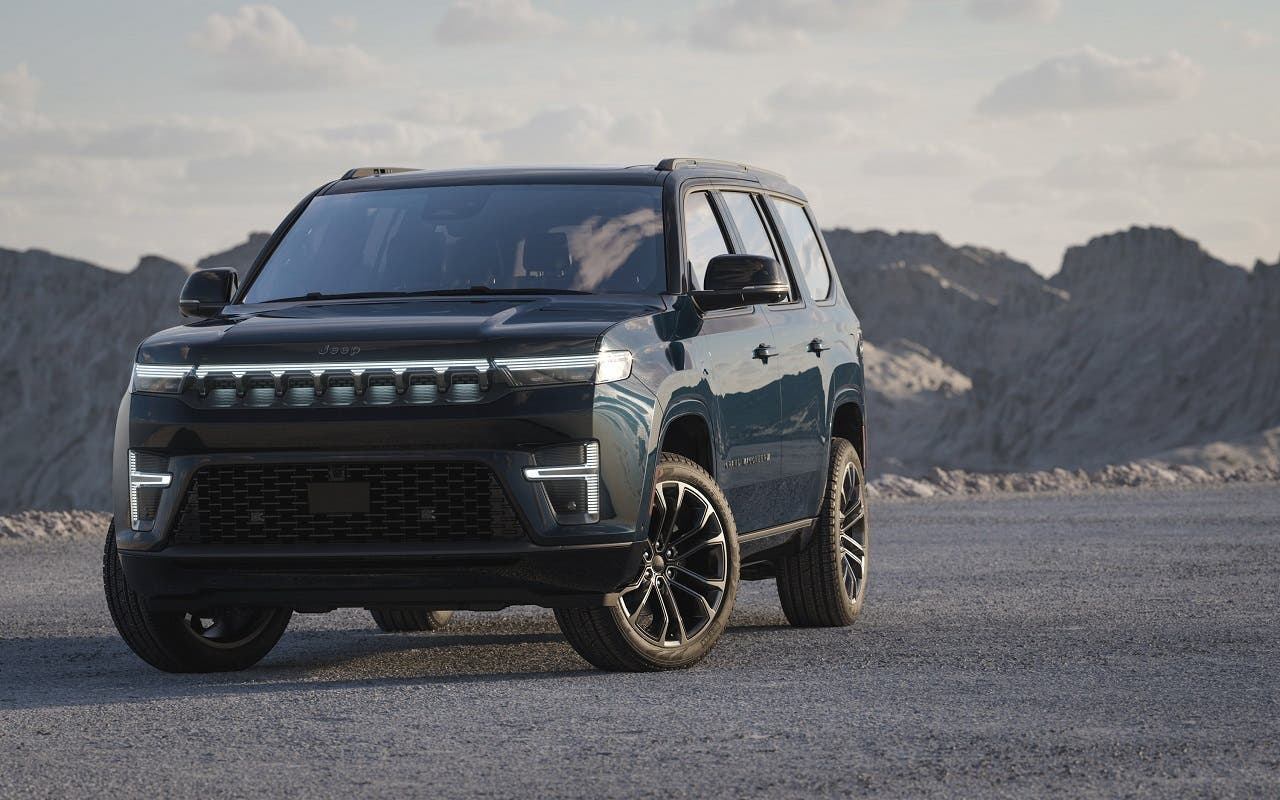
Plant preparations form part of more than $406 million in investment that Stellantis announced for three Michigan facilities involved in Jeep and Ram electrification. Warren Truck supports the Wagoneer programs, while Sterling Heights remains the main production hub for the Ram 1500.
According to the supplier communications cited by the US press, Stellantis wants more time to ensure a smooth production launch. Current information does not point to a specific technical defect behind the delays and does not allow a firm conclusion that quality issues caused them. The next key step will be confirmation of the final production dates for both vehicles.