

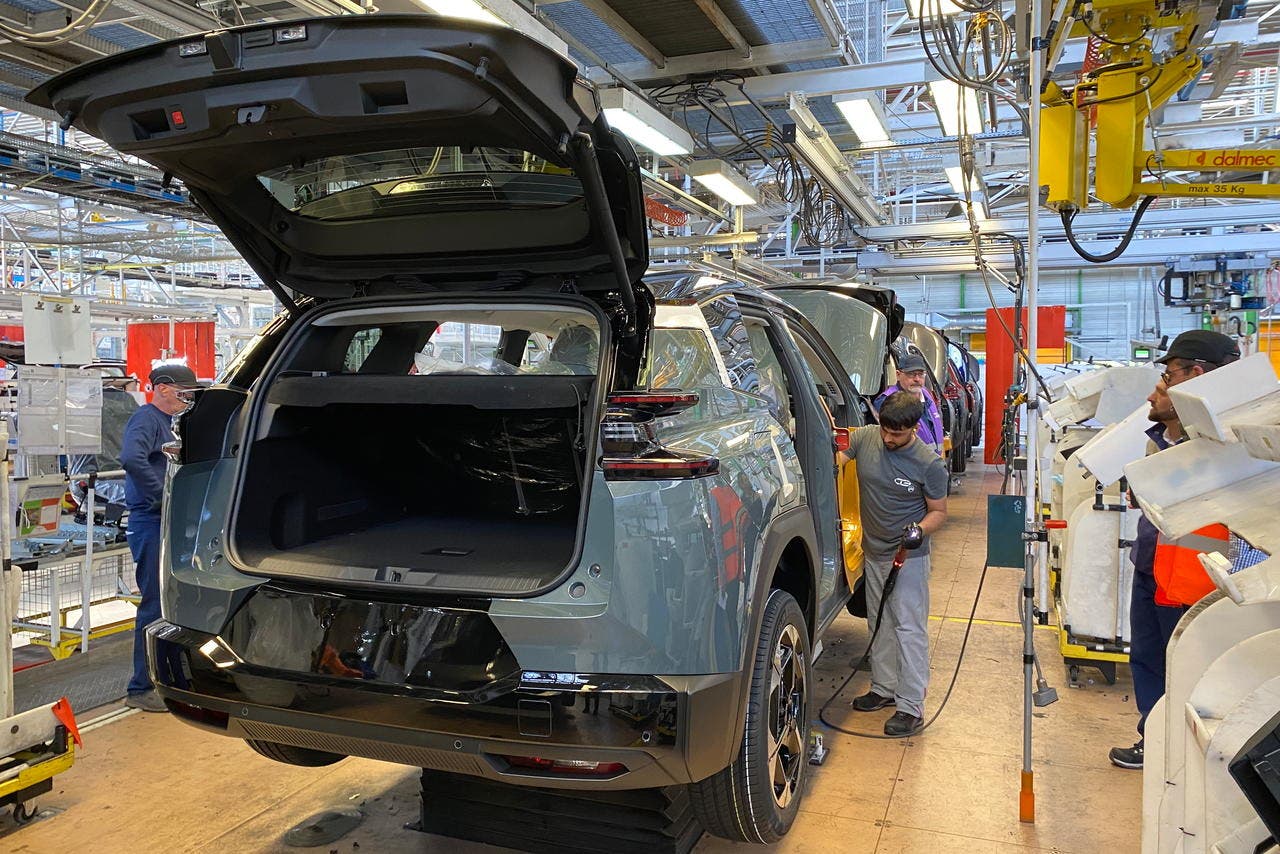
The future of Stellantis’s historic Rennes-La Janais plant in France is finally emerging from its usual fog of corporate ambiguity, though whether that brings genuine relief or just a refined strain of panic depends on who you ask.
After months of swirling rumors and existential angst among assembly line workers, management has finally put a few promises in writing regarding a potential joint venture with Chinese automotive giant Dongfeng. The strategic plan aims to safeguard industrial operations at the home of the Citroën C5 Aircross by importing a little Beijing-backed manufacturing magic straight into Brittany.
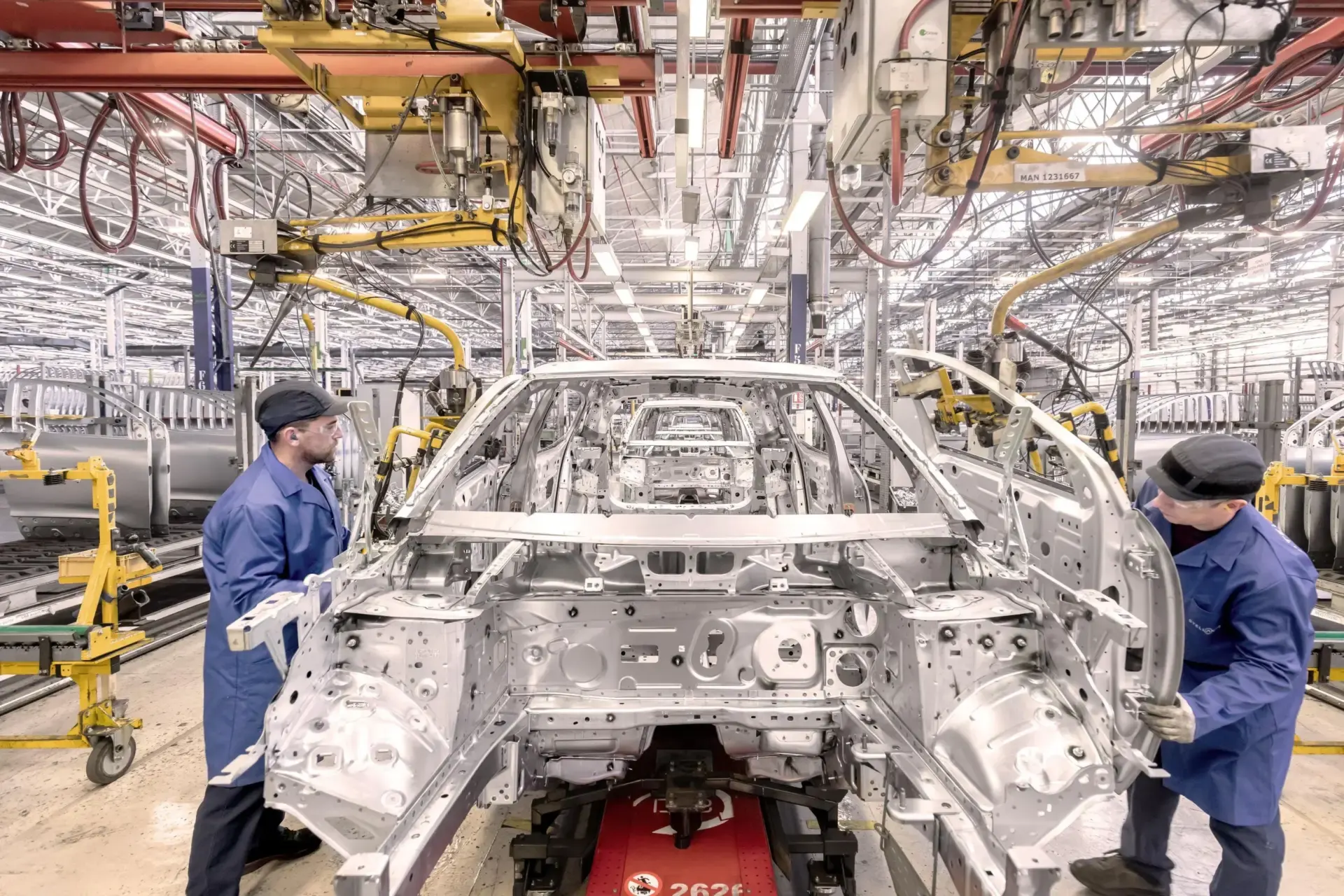
Under the proposed 51/49 structure, with Stellantis holding the controlling majority stake, the corporate entity will extend far beyond merely dropping Chinese luxury electric vehicles into European showrooms. On paper, the joint venture will oversee local assembly, component purchasing, and engineering, with the headliner being a fully electric Voyah model alongside the gas and hybrid C5 Aircross.
For a facility currently putting out a dismal 85,000 vehicles per year against a maximum capacity of 140,000 units, adding a second model seems like a logical cure for rampant factory underutilization.
Naturally, local union representatives at CFE-CGC are not cracking open the champagne just yet. Labor leaders are demanding airtight guarantees that workers will not be quietly shifted into the new corporate entity, insisting instead on retaining their legacy Stellantis contracts, union benefits, and career paths.
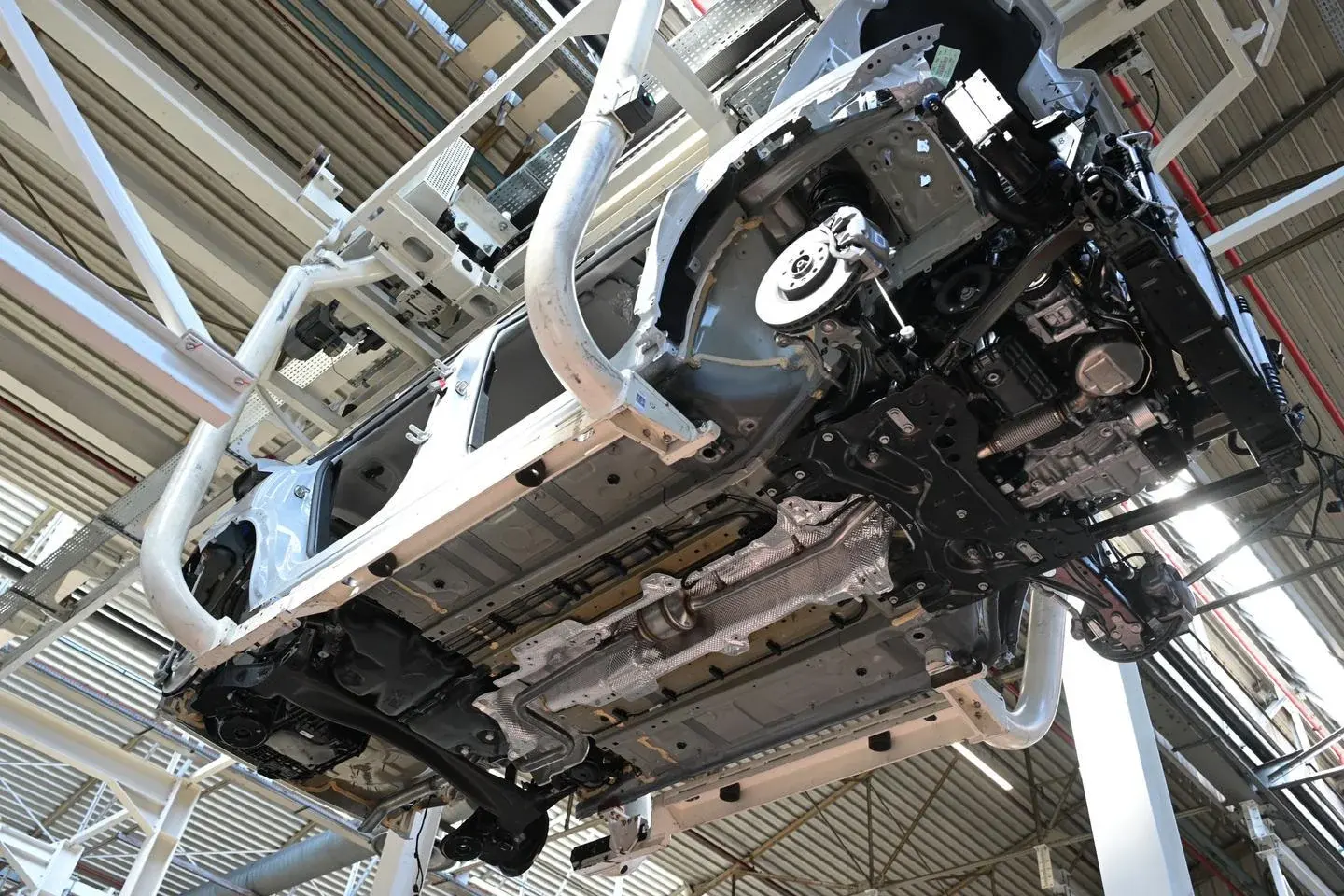
In response, Stellantis HR chief Xavier Chéreau issued a written memo offering assurances on job continuity and long-term activity in Rennes. Furthermore, unions are pushing for a strict 70 to 75 percent threshold of local and European components, hoping to avoid turning the facility into a glorified knock-down kit assembly garage.
Despite the optimistic ink on the letter of intent, the entire arrangement remains contingent on final binding agreements and regulatory approvals. If the deal closes, Stellantis scores a tactical trifecta: higher plant capacity, pacified French politicians, and a cheaper entry point into European EV production.