

Europe’s top two automakers are currently providing a masterclass in corporate anxiety. Volkswagen CEO Oliver Blume and Stellantis chief Antonio Filosa find themselves thrust into an embarrassing spotlight, united (let’s say) by a singular nightmare: shuttering assembly plants to survive brutal Chinese competition.
For Volkswagen, the emergency is glaringly explicit. Blume is proposing a drastic restructuring scheme that would ax between 50,000 and 100,000 jobs, putting the post-2030 future of facilities in Zwickau, Emden, Hannover, and Neckarsulm on the chopping block.
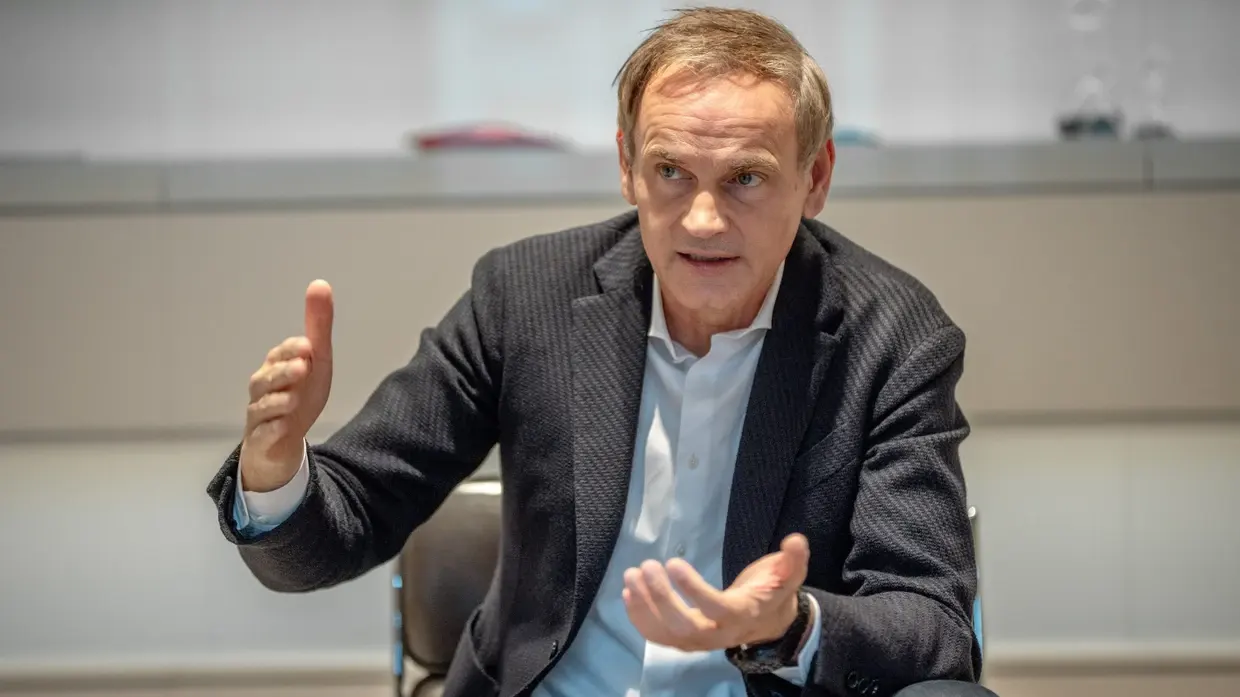
Unsurprisingly, this plan has triggered an all-out war with the powerful IG Metall union and the state of Lower Saxony, who hold supervisory board control. Despite maintaining a solid 26.5 percent European market share, VW’s razor-thin 4.2 percent profit margin leaves it severely exposed.
Over at Stellantis, the crisis is more covert, masked by a bizarre blend of American political luck and European stagnation. After burning through a catastrophic 22.3 billion euro loss in 2025, the multi-brand giant scraped together a modest 670 million euro profit in the first half of the year.
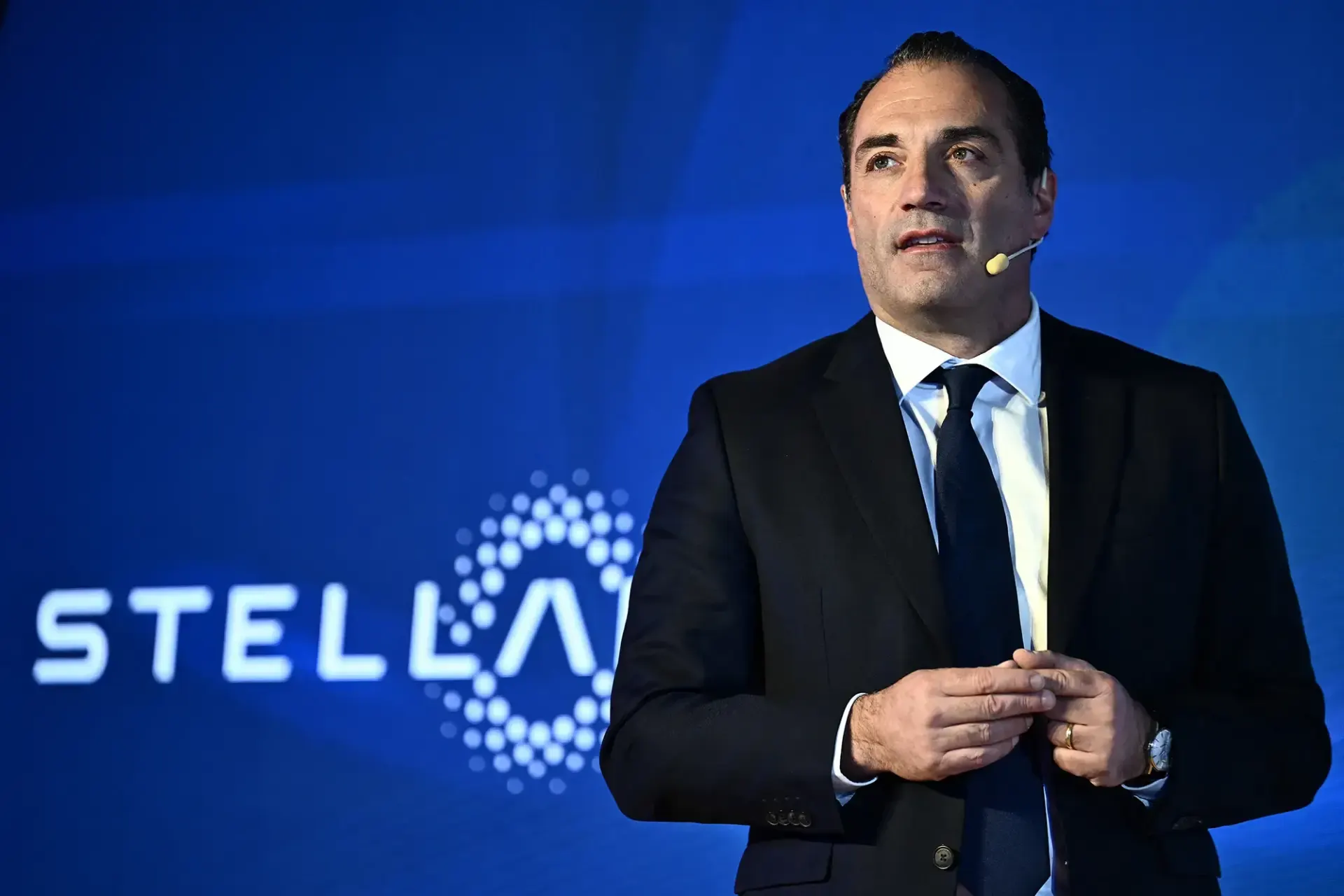
While Filosa tours France admitting to blatant factory overcapacity across 12 plants employing 38,000 workers, the group is quietly being rescued from its EV lag by Washington. Thanks to President Trump’s rollbacks on emission constraints and new tariff walls, high-margin Dodge and Jeep models drove a 21 percent revenue jump in North America.
Unlike VW, Stellantis has virtually no Chinese presence left to lose. Instead, it is opening factory doors to Dongfeng in Rennes and partnering with Leapmotor to desperately buy time while legacy brands like Peugeot wait years for new hardware.
The real showdown, however, is deeply political. While Stellantis operates as a fragile two-speed engine split between US truck profits and stagnant European volume, Volkswagen faces a fundamental crisis over the German co-determination model itself. Blume’s September 4 supervisory board confrontation could see core shareholders like the Porsche-Piëch families and Qatar override union resistance, sparking an unprecedented legal battle.