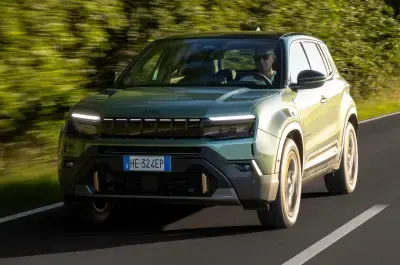
Range anxiety remains the ultimate party pooper of the electric vehicle revolution. Drivers are tired of recalculating routes based on spotty charger locations, and Stellantis knows it. But instead of simply dropping a boring four-cylinder engine under the hood as a backup generator, the automotive giant decided to go full “aerospace sci-fi”. According to recent patent filings, Stellantis is secretly developing a gas-powered microturbine engineered exclusively to generate electricity on the fly.
This microturbine will have zero physical connection to the wheels. Your future EV’s tires will still run thanks to electric motors. Instead, the tiny turbine acts as an onboard power plant, humming along smoothly in the background.
A patent published on September 17, 2026 outlines an autonomous turbogenerator that converts fuel into pure juice. While regular internal combustion engines constantly rev up and down like hyperactive teenagers depending on how hard you step on the gas, this microturbine operates at a sweet, steady regime near peak efficiency. The main battery pack handles sudden power spikes during heavy acceleration or passing maneuvers, letting the turbine chill out and churn out steady kilowatts.
Engineering geeks will appreciate Stellantis’ high-end version dubbed the IRReGT, which stands for Intercooled Recuperative Reheat Gas Turbine. Behind that tongue-twisting acronym lies a complex setup featuring two compression stages, an intercooler, dual shafts, twin turbines, and double combustion chambers.
Stellantis is squeezing every drop of efficiency out of waste heat from exhaust gases, intercoolers, electric machinery, and even bearings to feed a secondary electrical generation circuit. A prior patent from May 2026 shows fuel, ranging from standard gasoline and ethanol to exotic biofuels and methanol, pre-mixing with compressed air inside a recuperator.
It is a genuinely clever technical workaround to the heavy, inefficient engines dragging down conventional Extended-Range Electric Vehicles (EREVs). That said, holding a stack of impressive patents doesn’t guarantee you’ll ever see one at your local dealership.