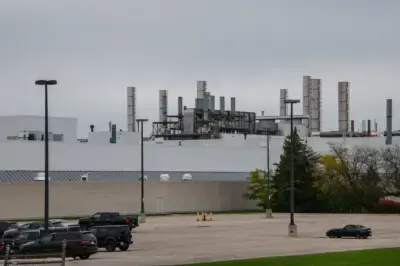
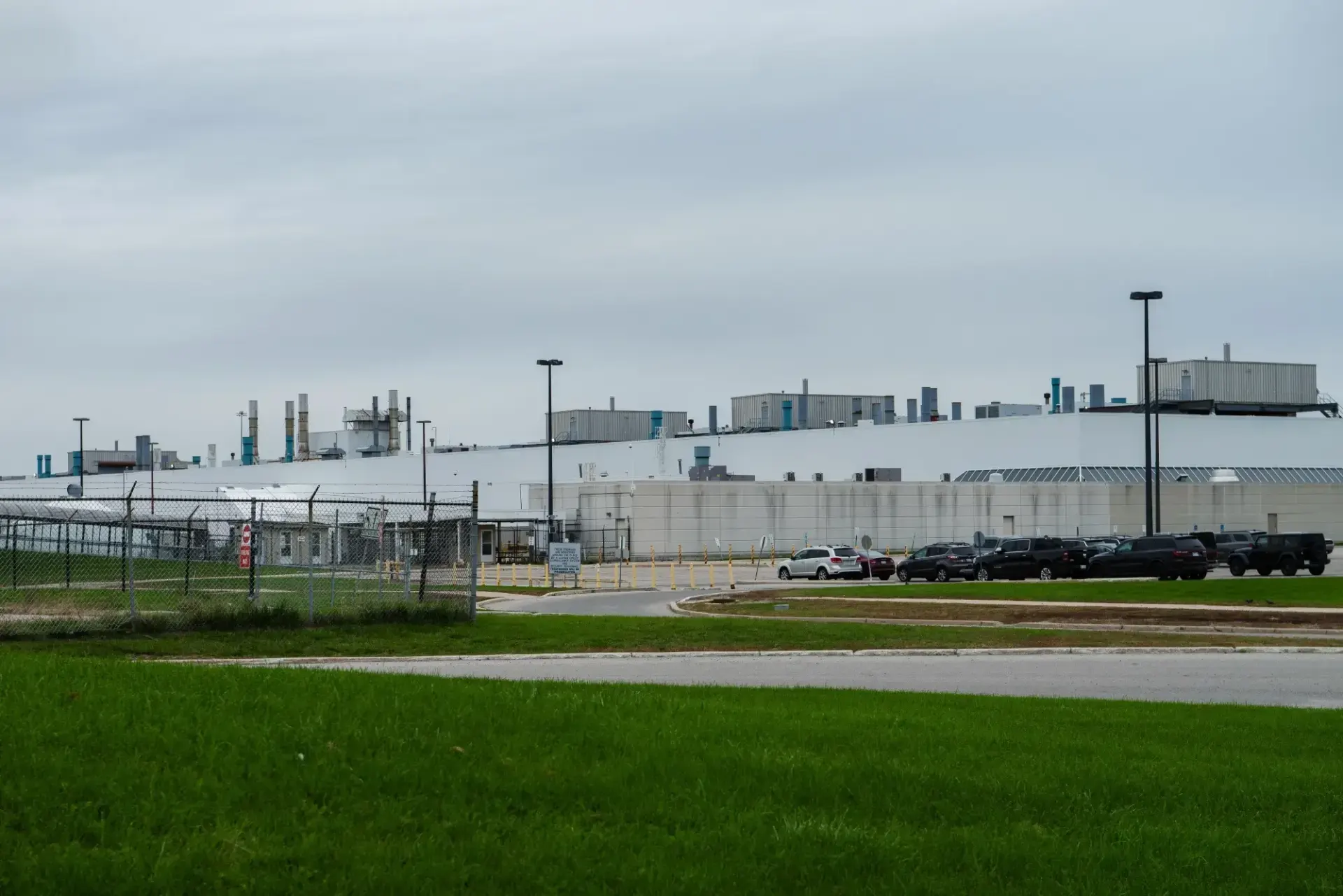
The saga unfolding at the Stellantis assembly plant in Brampton, Ontario, is rapidly turning into a masterclass in corporate shell games, and Ottawa is officially losing its patience. After weeks of escalating tension with the Unifor union and a quiet pivot toward selling the site to armored-vehicle manufacturer Roshel, the Canadian federal government decided to crash the party with a heavy-handed reminder: public subsidies are not free money, and broken promises come with a receipt.
The heart of the dispute boils down to eye-watering sums of taxpayer dollars meant to secure the future of Canadian automotive manufacturing. The original financial package tied to the Brampton and Windsor plants was valued at roughly $710 million, according to reports from The Wall Street Journal.
Under the deal, federal support started from (up to) $529 million, while the province of Ontario kicked in up to $513 million. By March 2025, Ottawa and Ontario had already handed over more than $222 million to the automotive giant. Naturally, those massive checks come with explicit guarantees regarding sustained local vehicle production and long-term employment.
Everything hit a wall when Stellantis made the classic corporate move of shifting production of the next-generation Jeep Compass straight across the border into the United States—the exact model originally slotted to keep Brampton’s assembly lines humming. Shocked by the bait-and-switch, Canadian authorities promptly froze all subsequent subsidy installments and called out the automaker for violating its commitments.
In response, Stellantis claims that building passenger cars at Brampton is no longer financially viable under current economic realities. To soften the blow, the automaker opened talks with Roshel, hoping a transition into military-grade armored vehicles will keep the lights on and preserve a fraction of the local workforce. While trading family crossovers for armored trucks certainly fits our increasingly chaotic world, Canadian officials remain unimpressed.
Ottawa made it crystal clear that turning a subsidized car factory into an armored vehicle outpost doesn’t automatically erase past contracts. With hundreds of millions in public funds now on the line, Canada seems prepared to claw back its money if Stellantis refuses to deliver on its original word.