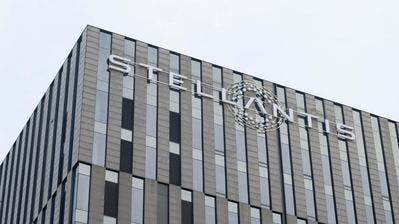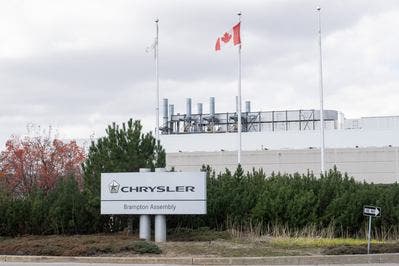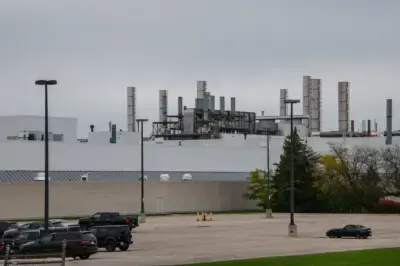
Stellantis says the original industrial plan for Brampton no longer makes sense and sees a possible sale to Roshel as a way to bring jobs back to the Canadian plant. The automaker outlined its position on September 17, following the announcement of a preliminary agreement with the armored-vehicle manufacturer.
Stellantis explains why Brampton could shift from cars to defense vehicles
Stellantis argues that several conditions behind the previous plan have changed. Uncertainty surrounding trade policy and evolving regulatory requirements have altered the economics of the project, while the need to keep vehicles affordable has made those costs harder to absorb. The company cites those factors as the reason it is now pursuing a different industrial future for the plant.
Roshel, which is based in Brampton, has expressed interest in buying the factory. Its proposal would use the site to expand defense-vehicle production, potentially reopening a facility that could otherwise remain idle for an indefinite period.
The memorandum signed by the two companies does not represent a completed sale. The agreement remains non-binding, and both sides are still carrying out preliminary reviews before making any final commitments. Stellantis therefore still owns the plant.
When announcing the agreement, Roshel CEO Roman Shimonov said the company could give priority to Unifor workers who lost their jobs, with some employees potentially returning as early as 2026. Those comments reflect Roshel’s intentions, however, and do not yet amount to defined employment terms.

The relationship with the union remains one of the most delicate parts of the process. Stellantis acknowledges the uncertainty facing employees’ families and the local community and says it remains willing to continue discussions with Unifor. The automaker has also encouraged the union to speak directly with Roshel to better understand the proposed production plan for the site.
The talks come as Stellantis and Unifor negotiate a new Canadian labor agreement, with the current contract set to expire on September 20. Brampton’s future therefore also weighs on the broader relationship between Stellantis and its Canadian workforce.
Stellantis says it remains committed to maintaining manufacturing and research operations in Canada, but it now supports a different path for Brampton than the automotive program originally planned for the site.
The next step will be determining whether Roshel can turn its stated interest into a final agreement that clearly defines investment, production plans and employment levels.