


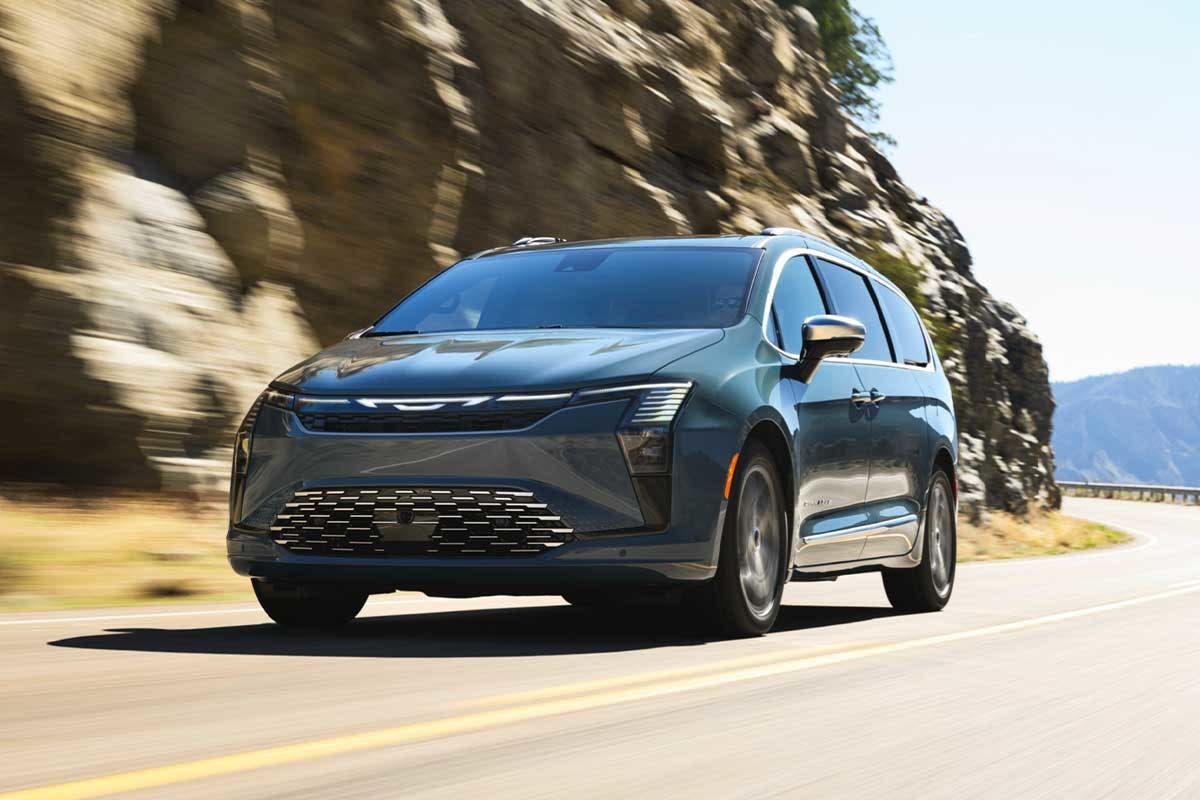
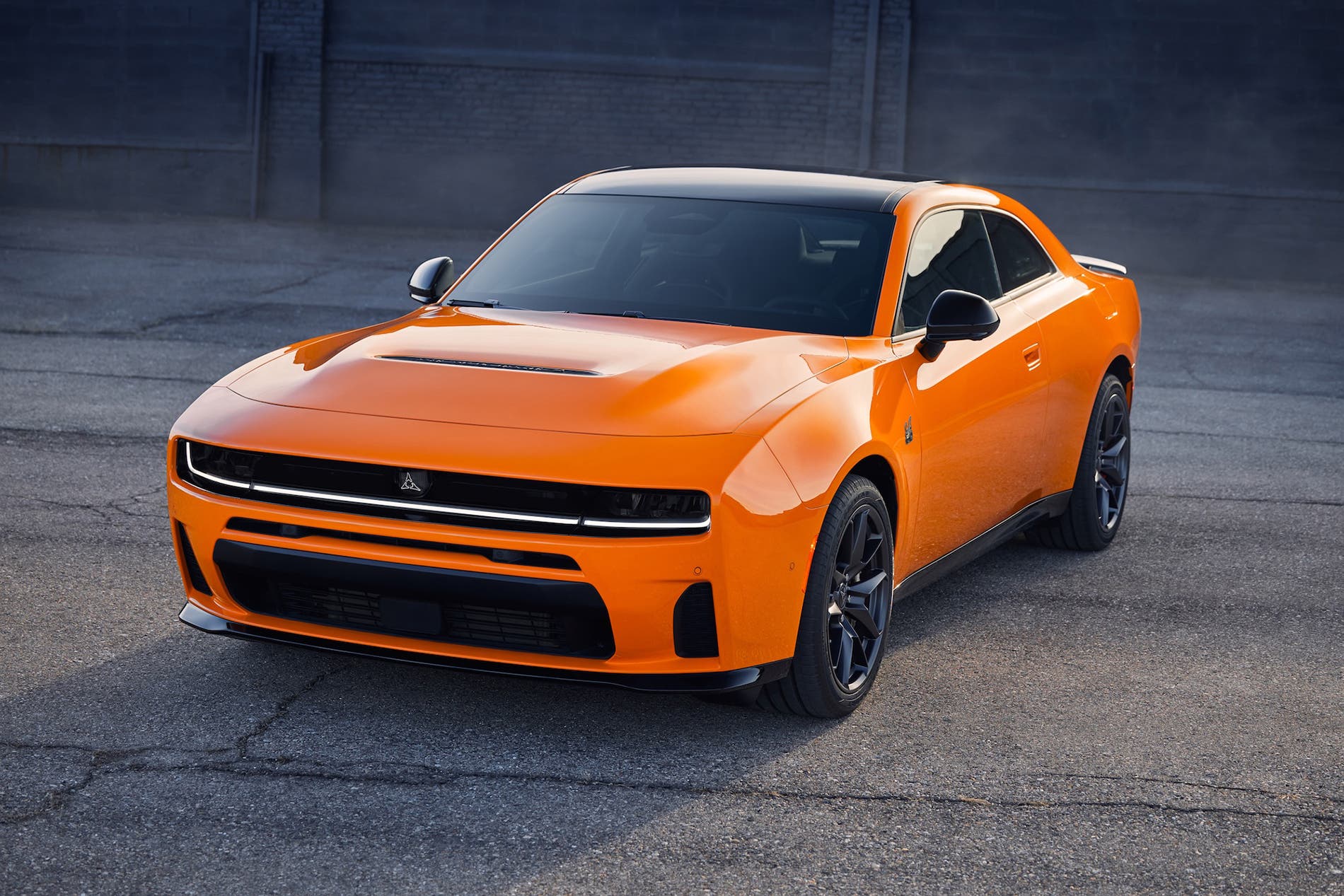
The Chrysler Pacifica and Voyager and the new Dodge Charger built in Windsor could become significantly more expensive to import into the United States if Donald Trump follows through with the 50% tariff announced for January 1, 2027. The president included cars, trucks, components and steel from Canada in the threat, increasing pressure on a North American supply chain designed to operate across the border.
Trump’s new tariff threat puts Stellantis’ Windsor production under pressure
The announcement came after trade negotiations between Washington and Ottawa broke down, but it does not yet represent a tariff already in effect. The US government will still need to issue implementing measures that define its scope, possible exemptions and relationship with USMCA rules. Canadian-built vehicles already face a 25% US tariff, although specific rules determine how the agreement treats compliant vehicles and components.
Stellantis faces particular exposure because its Windsor, Ontario plant supplies the US market. The factory builds the Chrysler Pacifica, Voyager and Grand Caravan, with the latter sold in Canada, and recently added the new-generation Dodge Charger. The Charger range includes the electric Daytona and SIXPACK versions powered by the 3.0-liter twin-turbo Hurricane inline-six, available with two- or four-door bodies.
The return of a third shift in early 2026 brought more than 1,000 workers back to the plant, while Stellantis plans around 1,500 new hires in total. The investment has turned Windsor into a multi-energy facility capable of producing minivans with different powertrains alongside electric and gasoline-powered Chargers.
A 50% tariff that also applies to USMCA-compliant vehicles would dramatically increase costs compared with the assumptions behind this manufacturing strategy. Stellantis has not explained how it would absorb the additional expense or whether it would pass part of the increase on to customers or change production allocations. Components create another major challenge because Canadian and US factories rely on supply chains that repeatedly move parts across the border.
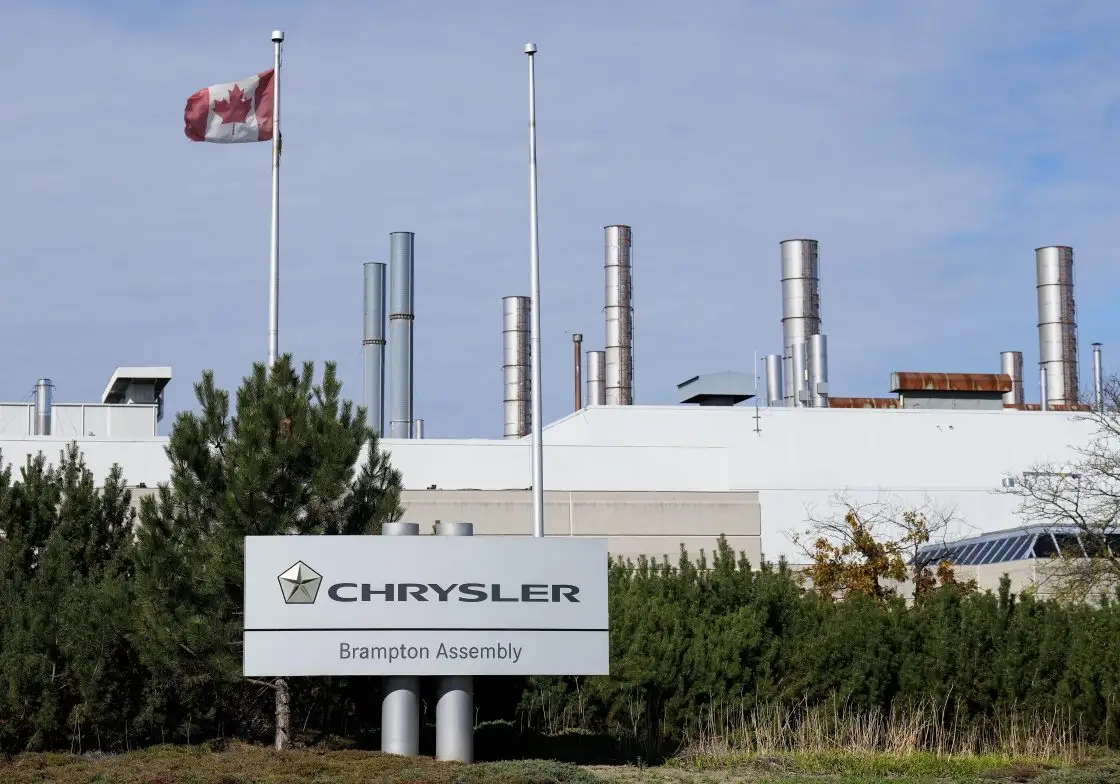
The situation at Brampton already shows how trade tensions can influence manufacturing plans. The Ontario plant has remained idle since late 2023 and originally expected to receive the Jeep Compass before Stellantis moved that program to Belvidere. The company plans to invest more than $600 million to reopen the Illinois facility and build the Compass and Cherokee there starting in 2027, supporting around 3,300 jobs.
Windsor still retains all of its announced vehicle programs, and Stellantis has given no official indication that it plans to move them to the United States. Until Washington publishes the implementing measures, Trump’s tariff threat mainly creates uncertainty over the future cost of Pacifica, Voyager and Charger models crossing the Canadian border. The collapse of the latest trade negotiations already weighed on Stellantis shares, and the prospect of a 50% tariff could add even more pressure.