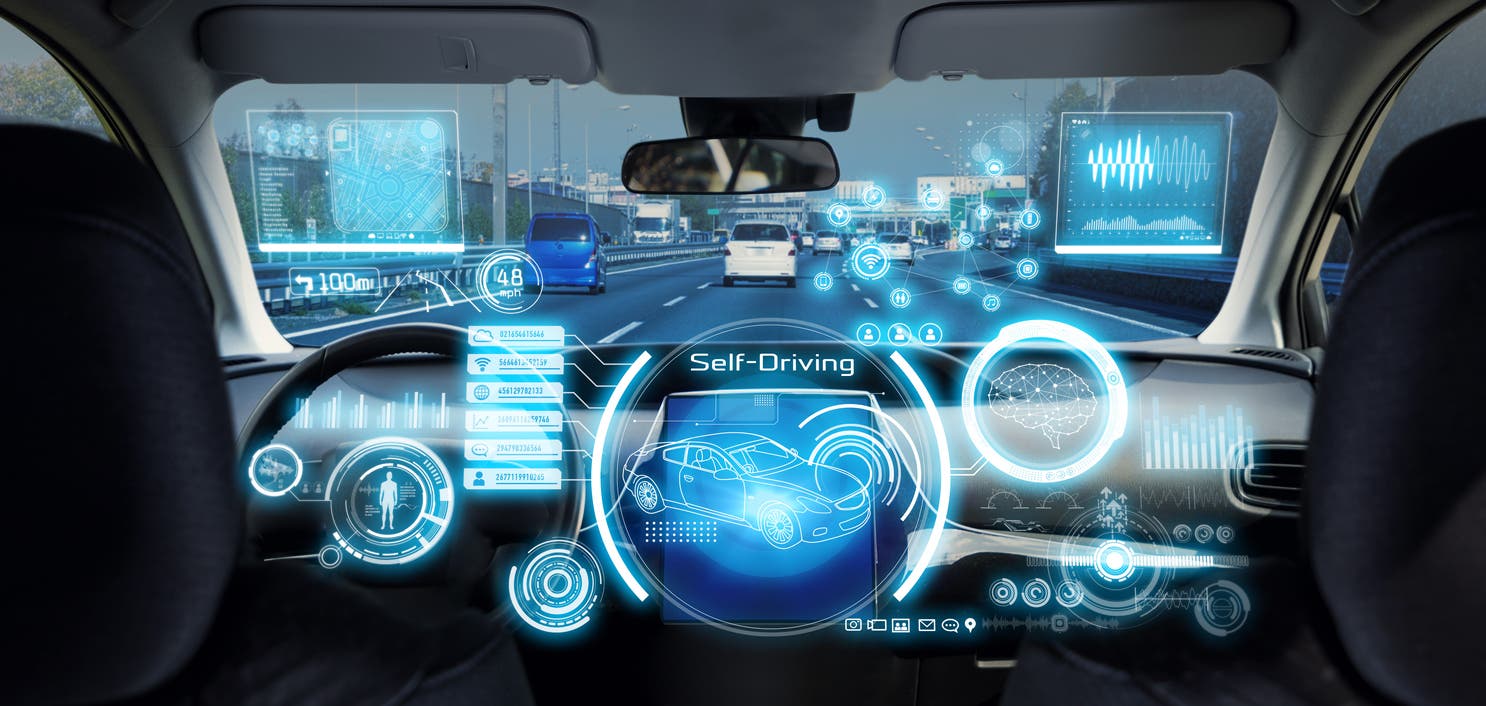
If the thought of sitting in a driverless vehicle gives you the existential dread usually reserved for unexpected tax audits, Stellantis feels your pain. In fact, the automotive giant has decided that the real roadblock to the widespread adoption of SAE Level 4 and Level 5 autonomous vehicles is the unsettling, deeply haunting sight of an empty driver’s seat.
To fix this visual void, Stellantis recently filed a patent that essentially turns your windshield into an advanced head-up display featuring a full-blown holographic chauffeur.
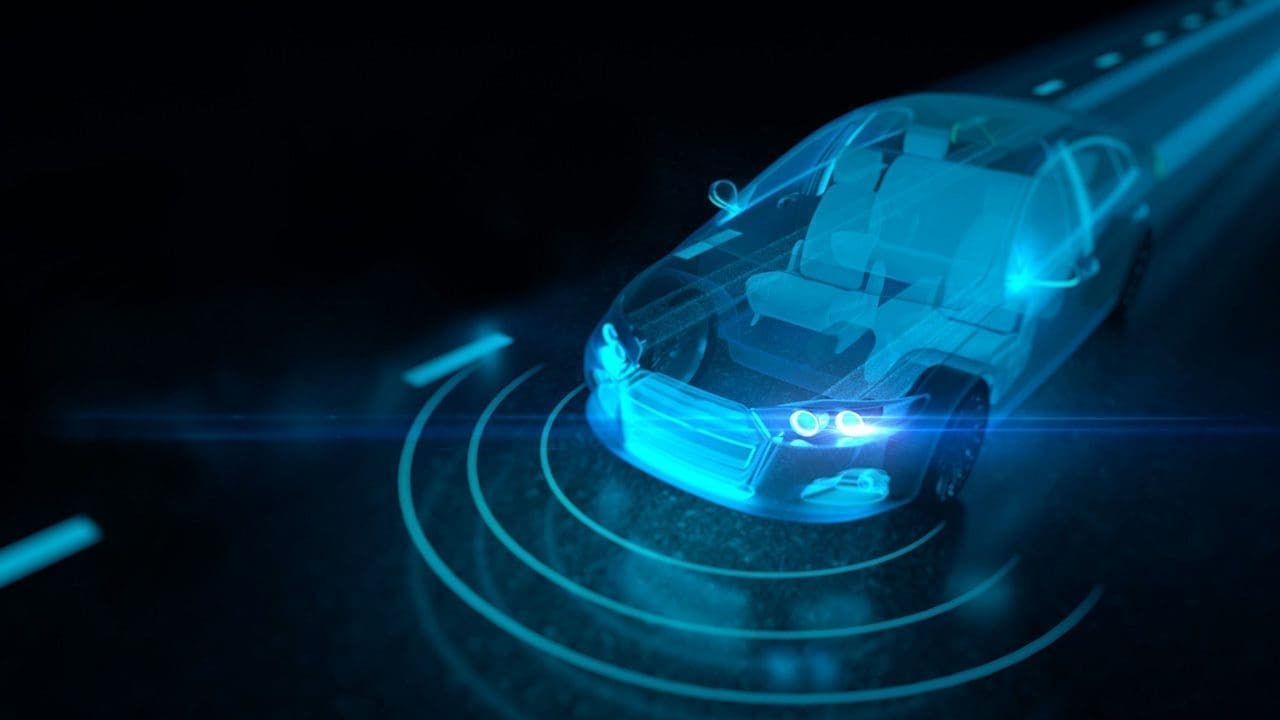
The patented system utilizes an array of cabin sensors to track passenger movement and eye direction in real time. Using this data, the vehicle projects a synthetic driver avatar directly into the passenger’s field of view. Far from a static cartoon, this virtual driver synchronizes lip movements with real-time automated voice responses and uses machine learning to display subtle, humanlike emotional expressions.
Passengers can even customize their digital chauffeur based on age, personality, or aesthetic preferences, transforming a cold, sterile robotaxi ride into something suspiciously mimicking human companionship.
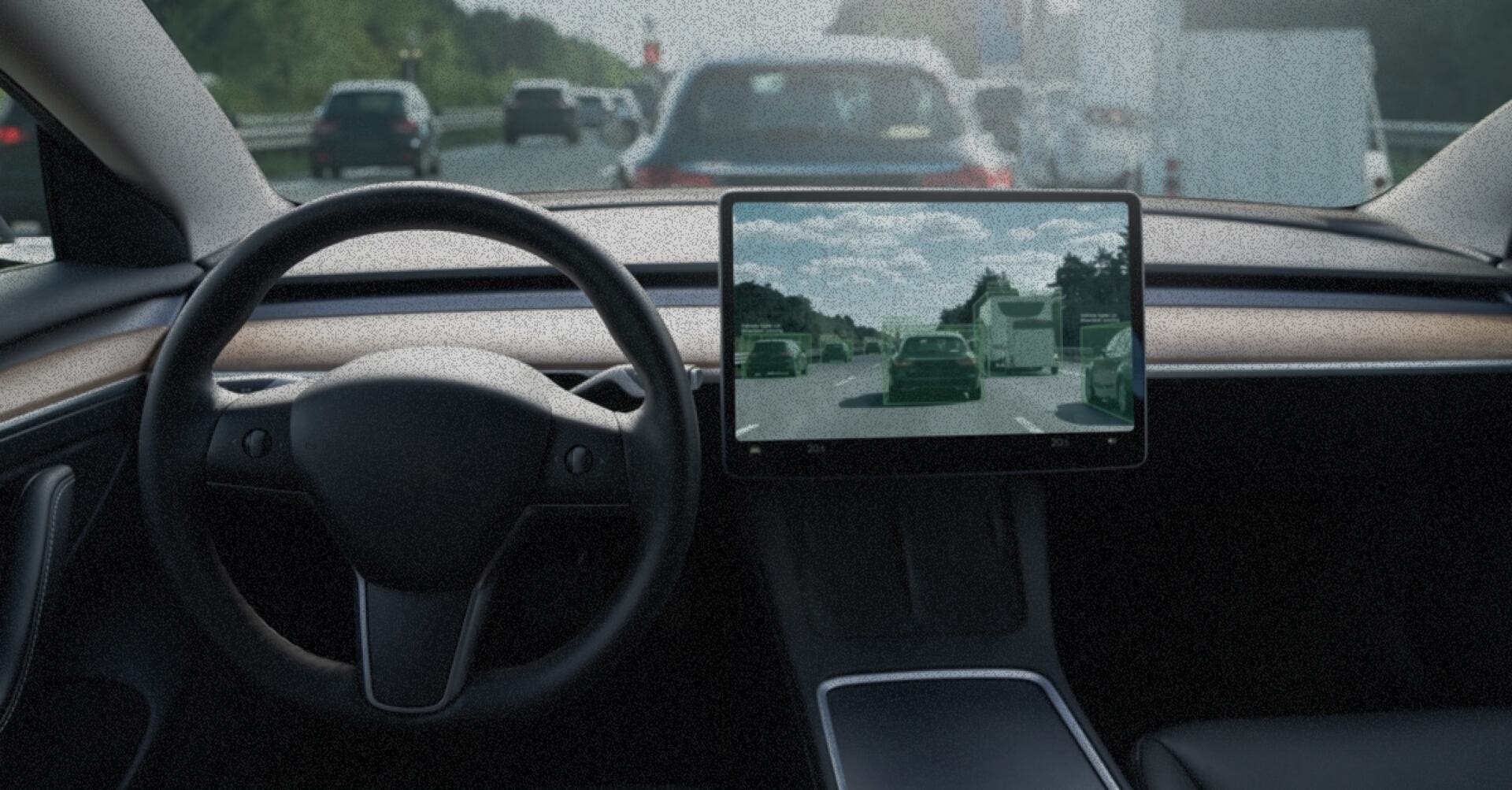
However, Stellantis’s patent goes beyond mere digital theater. In complex scenarios falling outside the vehicle’s operational design domain, the system pivots from sci-fi to live tele-operation. Instead of rendering a synthetic avatar, the windshield display switches to stream the actual face of a live human operator stationed at a remote control center somewhere on Earth. This operator takes control of the vehicle while interacting face-to-face with passengers through the car’s integrated communication channel, effectively bridging the gap between artificial intelligence and human oversight.
Naturally, a patent filing is hardly a guarantee of assembly-line production. Automotive conglomerates routinely patent thousands of wild ideas that ultimately gather digital dust in legal archives. Yet, this particular filing exposes a fundamental shift in how the industry approaches autonomous driving technology. Making self-driving cars safe is no longer the sole challenge; auto executives must now engineer the illusion of human presence just to stop passengers from jumping out at the first red light.