

The collapse of trade negotiations between the United States and Canada is keeping pressure high on Stellantis’ North American operations. The group builds vehicles in Windsor and also owns the idled Brampton plant. Washington introduced new 50% tariffs on roughly $20 billion worth of Canadian goods on Saturday, although automobiles follow a separate regime and remain subject to the previously introduced 25% tariff.
Stellantis faces new pressure as US-Canada trade talks collapse
The negotiations had included a proposal to lower the tariff on Canadian-built vehicles to 15%, together with deductions based on the origin of their components. The two sides failed to agree on which content should qualify. Washington favored US-made parts, while Ottawa pushed for recognition of the broader regional supply chain spanning Canada, the United States and Mexico.
That difference directly affects the auto industry, which relies on factories and suppliers operating on both sides of the border. A single component can cross the border several times before final assembly, making it difficult to separate the value created in each country. Stellantis also faces a competitive disadvantage because Canadian-built vehicles still carry a 25% tariff, while the United States applies 15% rates to imports from some other markets.
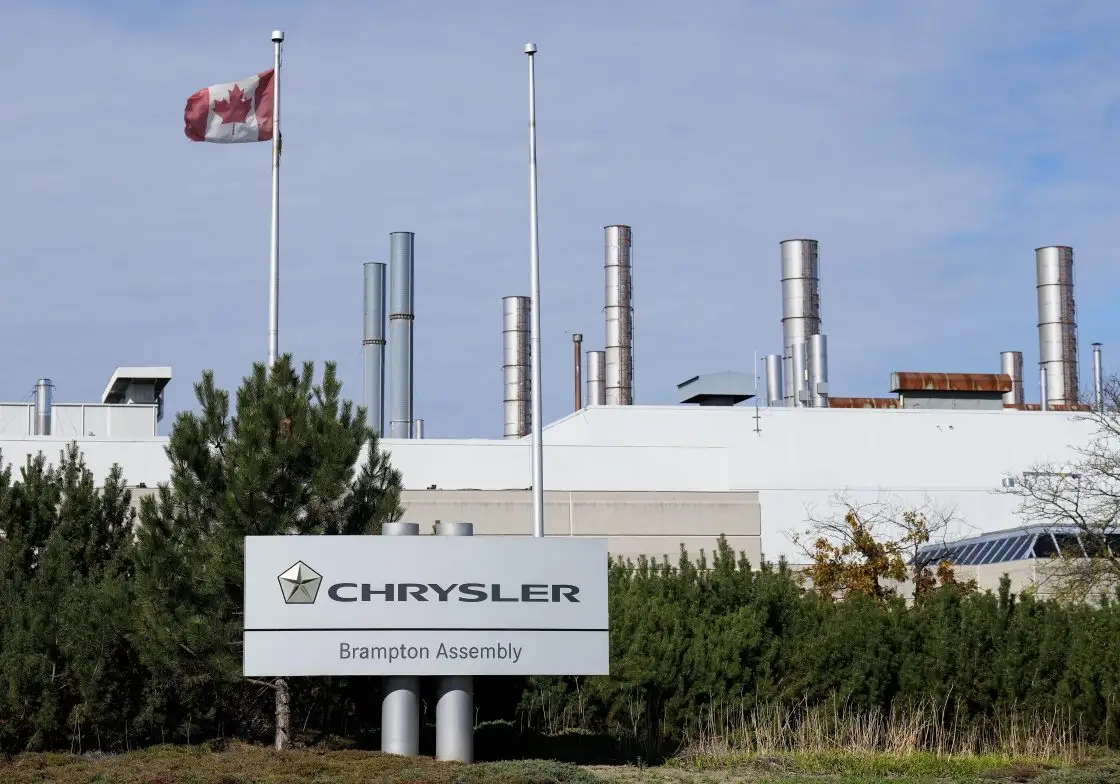
The Windsor plant continues to build the Chrysler Pacifica and Dodge Charger, while Brampton remains without a new production program after Stellantis moved the future Jeep Compass project to the United States. Unifor says Stellantis is considering closing and selling the Ontario facility and has linked the uncertainty partly to tariff pressures. The automaker has not announced a final decision and says it remains focused on finding a sustainable manufacturing solution for the site.
Earlier discussions about assembling Leapmotor vehicles in Canada have not yet produced a confirmed plan for Brampton. According to the union, a possible sale represents only one of several options under consideration, and no buyer has emerged. That makes it too early to directly connect any potential deal with the Chinese automaker in which Stellantis holds a stake.
The FaSTLAne 2030 plan calls for more than €60 billion in total investment, including €36 billion for brands and products. Stellantis plans to direct 60% of that amount to North America, where it also has the $13 billion US investment program announced in 2025. The importance of the region makes tariffs a major factor in production costs, future model allocation and plant utilization.
Canada will introduce countermeasures starting September 8 across sectors including steel, dairy products, appliances, agricultural machinery, paper and electronics. Automobiles do not appear on the preliminary list, but the failure to reach an agreement leaves the tariff issue surrounding Stellantis’ Canadian production unresolved.