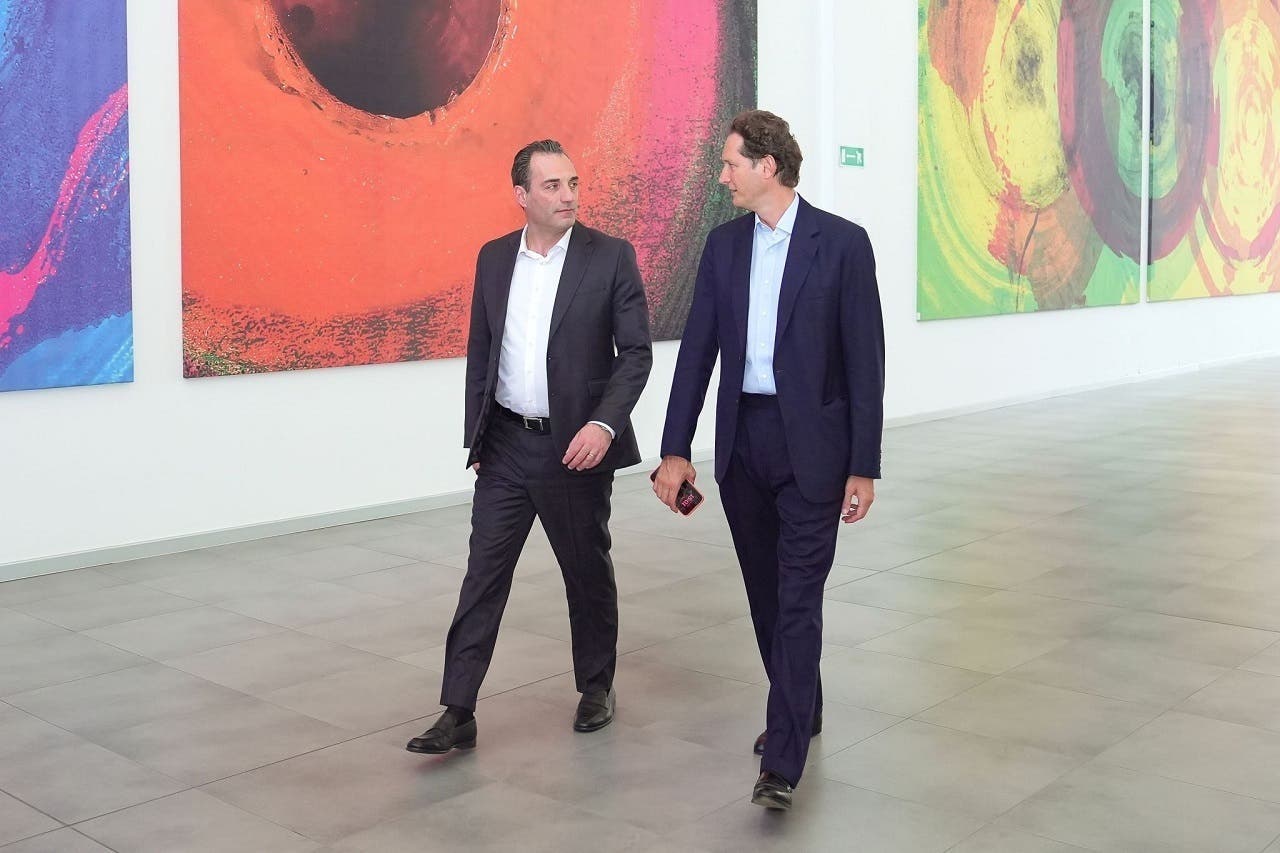
Exor says it knows of no plan for Stellantis to raise capital and continues to support Antonio Filosa’s strategy. Chief Financial Officer Guido de Boer made the comments during a call with analysts on the holding company’s first-half results, after a question about Stellantis’ potential financing needs.
Exor backs Stellantis strategy and says no capital increase is currently planned
De Boer pointed to market uncertainty and left any decision about a possible recapitalization to Stellantis management. His answer therefore reflects the information currently available to Exor rather than a commitment from the automaker to rule out future capital measures.
The question comes as Stellantis works to fund its product turnaround and rebuild profitability. FaSTLAne 2030 calls for around €60 billion, or about $68.3 billion, in investment, alongside cost reductions and a return to positive annual industrial free cash flow in 2027. Exor reiterated its support for that strategy and expressed confidence in its execution.
The latest results show progress but also highlight how far Stellantis still needs to go. In the second quarter of 2026, revenue rose 13% to €43.5 billion, or about $49.5 billion, while adjusted operating margin reached 1.8%. A year earlier, that figure stood at 0.6%, while Stellantis targets 7% by 2030.
Cash generation also improved. The second quarter produced €1 billion, or about $1.14 billion, in positive industrial free cash flow, although the first-half total remained negative at €921 million, or roughly $1.05 billion. Available industrial liquidity reached €44.1 billion, or about $50.2 billion, at the end of June, a figure that must also support investment and restructuring costs.
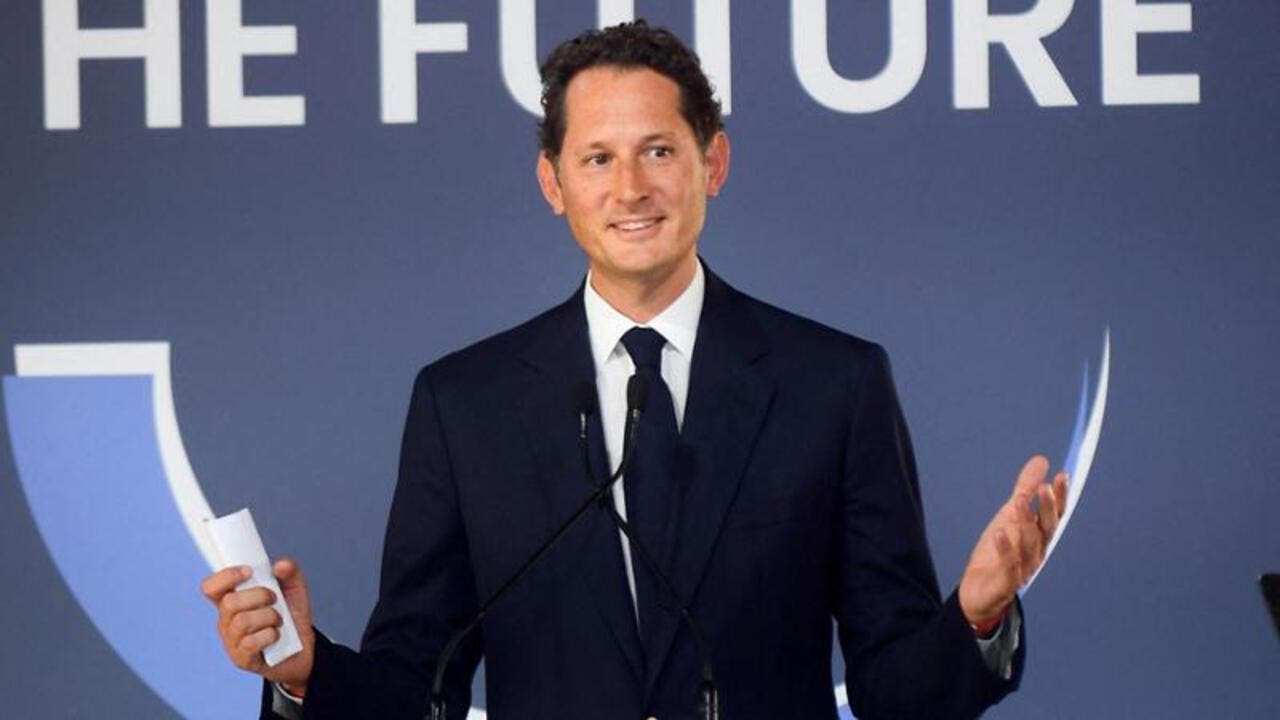
De Boer’s comments follow similar support from John Elkann, who described the first results under Filosa as encouraging in his letter to Exor shareholders. Elkann also acknowledged that Stellantis hurt the holding company’s portfolio performance after becoming the only one of Exor’s four largest investments to lose stock market value during the first half. Stellantis shares have fallen about 56% since the beginning of the year.
The next major target in the industrial plan calls for Stellantis to generate positive cash flow for the full year after investment. The group then aims for €3 billion, or about $3.4 billion, in industrial free cash flow in 2028 and €6 billion, or roughly $6.8 billion, by 2030.
Exor continues to back that path, while Stellantis management retains responsibility for any future decision involving the company’s capital structure.