


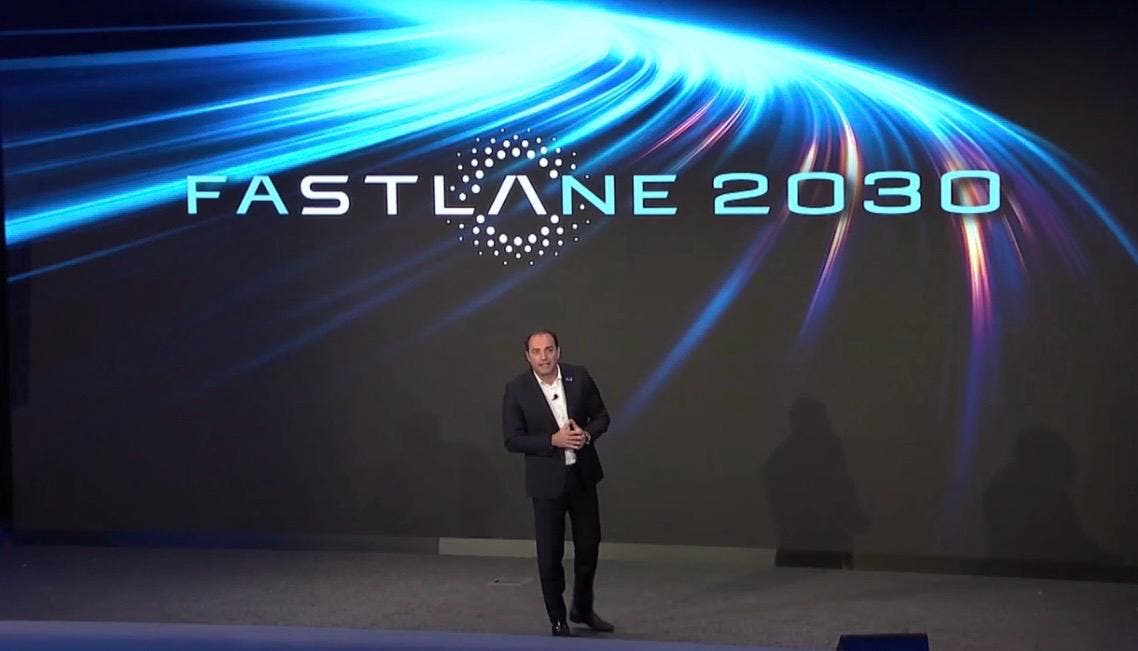
CEO Antonio Filosa looked at Stellantis’ bleeding balance sheet, and declared that North America is officially the group’s new financial engine. The faSTLAne 2030 strategic plan seems to be a masterclass in corporate copywriting designed to make a staggering 60-billion-euro “reset”. It looks like a calculated stroke of genius.
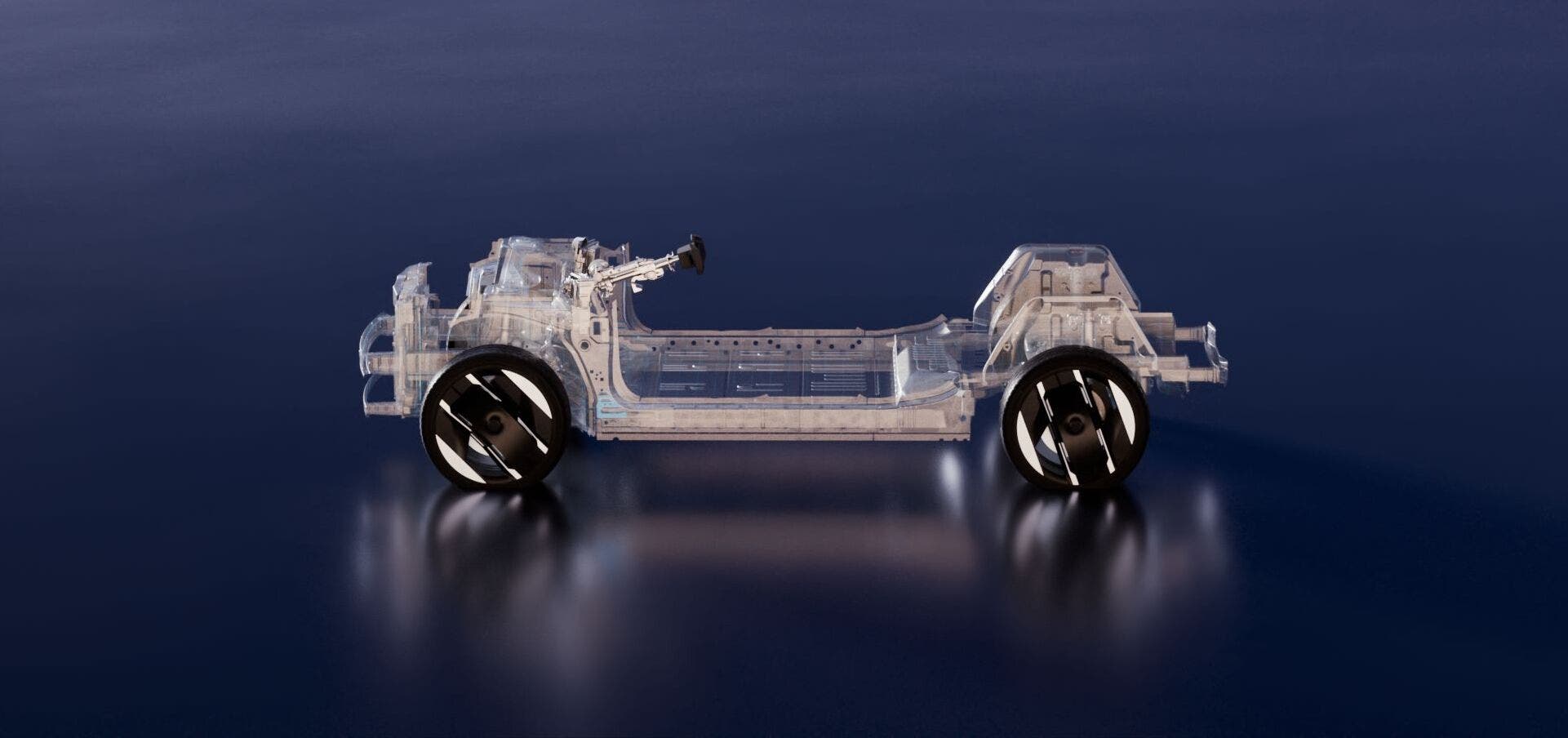
The grand plan? Pour all the corporate love into Jeep and Ram, while politely pretending that European siblings like Fiat and Peugeot don’t exist in the eyes of American buyers. To keep things simple, everything will be slapped onto a single, massive global modular platform dubbed STLA One.
Surprisingly, Wall Street didn’t immediately laugh them out of the room. American analysts are actually projecting a 25% revenue bump, largely because someone finally whispered in Stellantis’s ear that everyday consumers can no longer afford a second mortgage just to buy a family crossover.
Bank of America analyst John Murphy even cheered the promise of seven new models priced under $40,000, with some slipping below the magical $30,000 threshold. Murphy called the projected 8-to-10 percent profit margins ambitious but doable if the market cooperates. Dealerships, currently recovering from a brutal two-year sales drought, are breathing a sigh of relief as Stellantis panics its way back to good old-fashioned internal combustion engines and aggressive commercial charm offensives to win back lost trust.
Investors wanted a radical amputation of the group’s bloated 14-brand portfolio, not a gentle massage, and a mere 800,000-unit production capacity cut feels like trying to drain the Atlantic with a teacup given global industry overcapacity.
Then there’s the elephant in the room: Stellantis’s risky double-edged romance with China. Relying on Dongfeng and Leapmotor to slash European manufacturing costs might seem clever on paper, but as Kristin Dziczek from the Center for Automotive Research points out, the Trump administration is watching Chinese automotive investments with a magnifying glass.
If those Euro-assembled Chinese models dare to cross the Atlantic, Washington’s tariff hammer will fall hard. Wedbush Securities analyst Dan Ives noted that while saving 6 billion euros by 2028 sounds great, Wall Street’s skepticism is already baked into the stock price.
Ultimately, investors love the romantic American truck story, but they are absolutely terrified of the European horror movie, leaving Stellantis trading down 3.5% in New York and downright crashing 6% in Paris.