

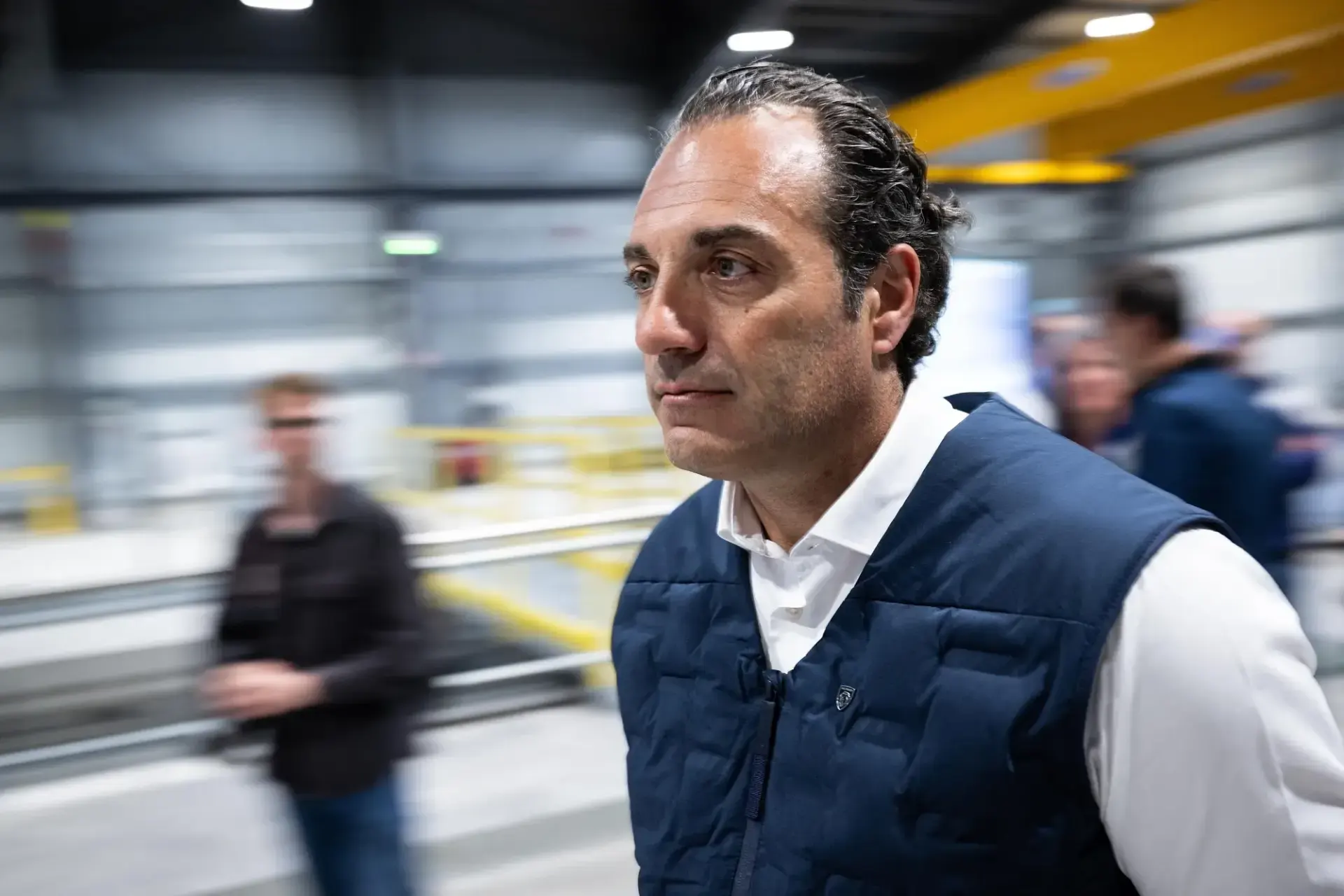
On August 27, Stellantis CEO Antonio Filosa took to Franceinfo to douse the political flames surrounding the company’s decision to open its Rennes-La Janais plant in Brittany to Chinese automaker Dongfeng. With critics accusing Stellantis of handing European manufacturing keys to Beijing on a silver platter, Filosa framed the move not as a surrender, but as a masterclass in survival.
According to Filosa, inviting Dongfeng to assemble electric vehicles alongside the current Citroën C5 Aircross is simply a clever strategy to dodge plant shutdowns and protect existing employment levels.

After all, the European auto market has notoriously failed to bounce back to its pre-COVID glory days. France alone has shed roughly 600,000 annual sales units since the 2000s, leaving production lines gathering more dust than purchase orders. With 12 assembly sites, 38,000 employees, and a network of 600 local suppliers across France, Stellantis is suddenly leaning heavily into its “social responsibility” to keep the lights on for Rennes’s 1,400 uneasy workers.
Naturally, local labor unions aren’t breaking out the champagne just yet. The CFE-CGC union responded to Filosa’s media offensive by demanding absolute transparency, an ironclad guarantee of 100% job preservation, clear details on who actually manages the floor once Dongfeng rolls in, and firm long-term production volume commitments.
Having a foreign partner occupy spare floor space is certainly preferable to watching an assembly hall turn into an empty museum, but union representatives know all too well that temporary volume fixes rarely come with permanent guarantees.

Stellantis and Dongfeng already share a long, complicated history of joint ventures, making this Breton expansion an extension of an existing marriage rather than a blind date.
Whether outsourcing floor space to Chinese electric vehicles proves to be strategic genius or a dangerous precedent remains to be seen. But for now, Stellantis is betting that as long as the 1,400 workers in Rennes keep receiving paychecks, nobody will complain too loudly about who designed the batteries.