

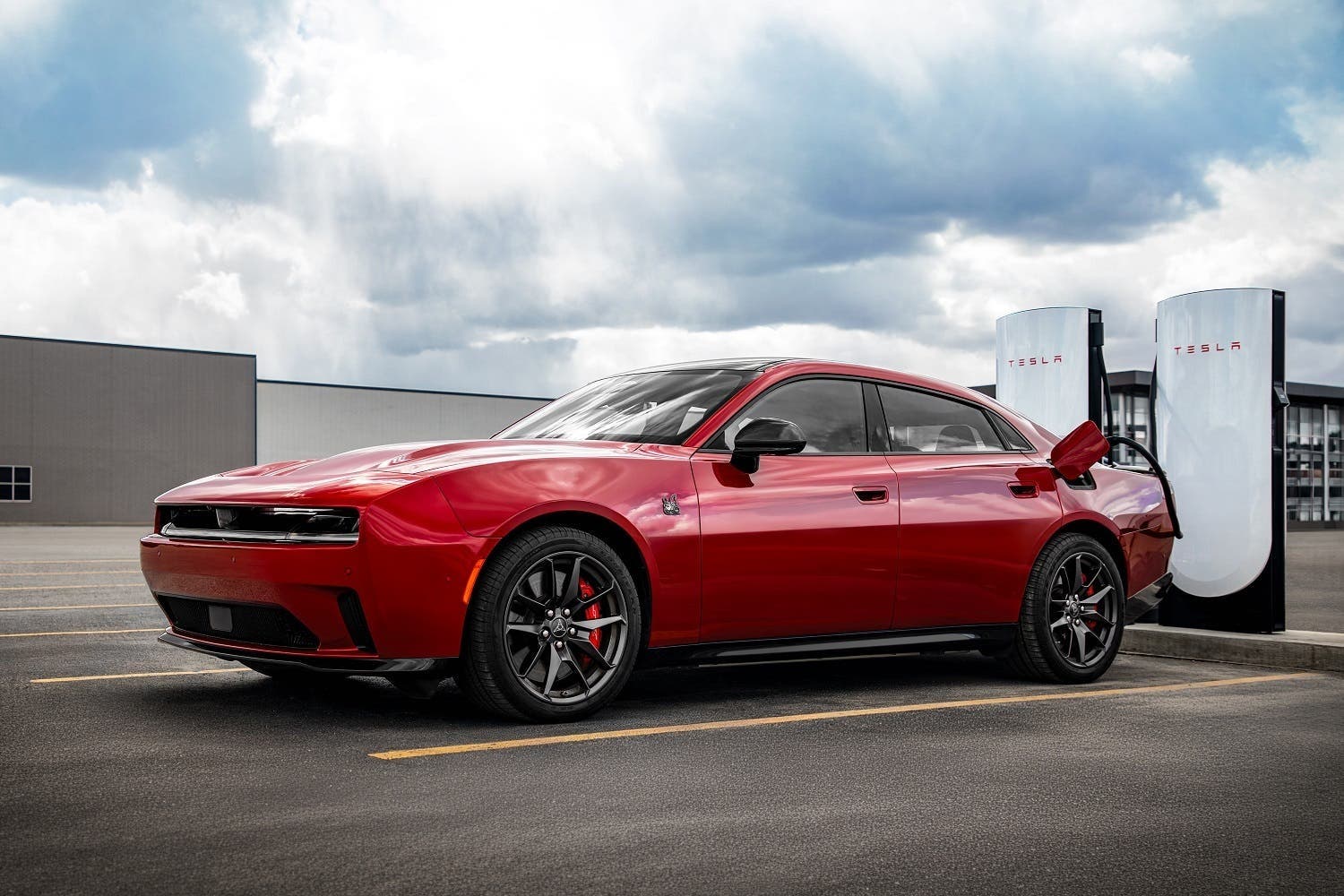
Stellantis has revised its strategy after overestimating how quickly electric vehicles would spread across the world’s major markets. Antonio Filosa acknowledged the mistake during REF 2026, organized by Medef in Paris, explaining that the group’s previous forecasts assumed a much more uniform transition across countries with very different demand patterns, infrastructure and purchasing power.
Antonio Filosa admits Stellantis overestimated the global EV transition
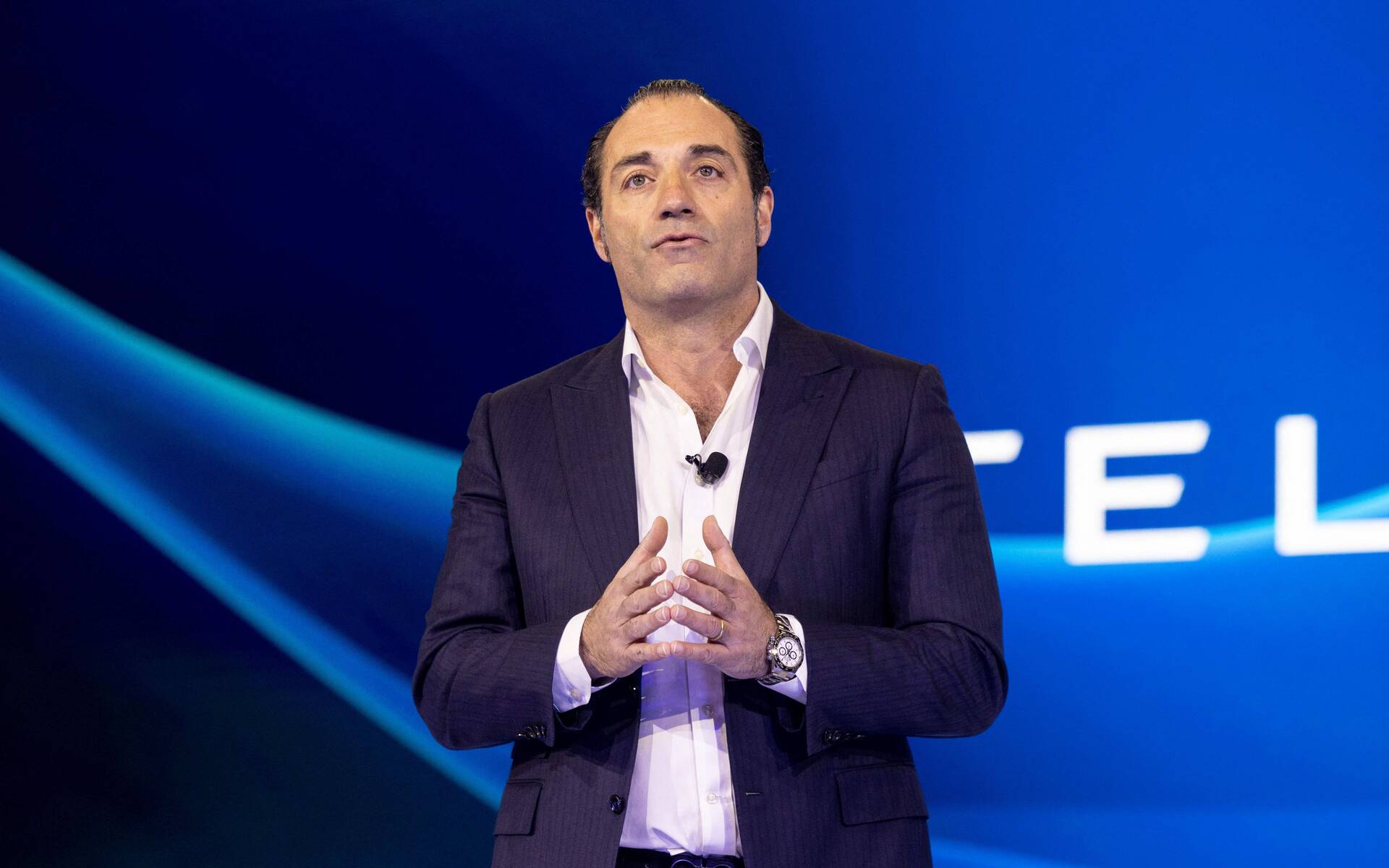
“We had developed a previous strategy based on the idea of electrification and global penetration. I think we were too optimistic,” the CEO said. Filosa therefore did not question the value of EV technology itself, which Stellantis will continue to invest in. Instead, he pointed to the pace of adoption and the decision to apply similar expectations to markets as different as Europe and North America.
The United States provides one of the clearest examples of the gap between Stellantis’ original forecasts and actual market demand. Filosa recalled that the company had expected EVs to reach a market share of 50 percent or more, only to see penetration remain close to 6 percent. That enormous difference helped drive a broader review of products and investments, bringing combustion engines and hybrid systems back into the company’s US plans.
Stellantis now uses the phrase “freedom of choice” to describe its new approach, which includes battery-electric vehicles, hybrids, range extenders and combustion-powered models depending on regional demand. US buyers still favor conventional and hybrid powertrains, so the company no longer plans to rely on a single technology for growth or remove alternatives that customers continue to want.
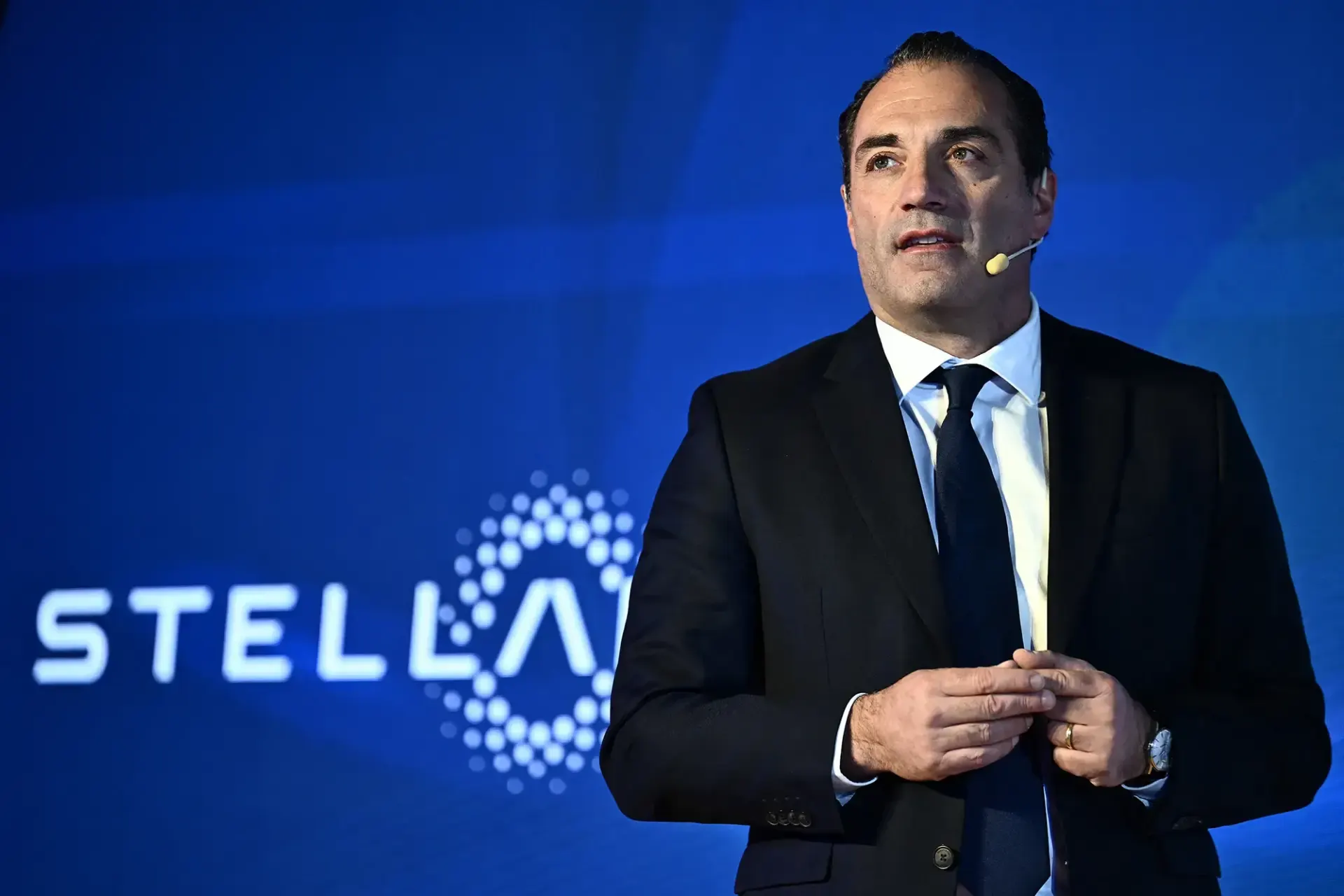
Europe presents a different challenge because emissions regulations require automakers to move faster than the market might naturally evolve. Filosa called for greater flexibility, particularly for light commercial vehicles, where pricing, range and usage patterns continue to slow EV adoption. Regulations that move too far ahead of demand can force manufacturers to support investments without enough sales volume to justify them.
The change in direction does not mean Stellantis is abandoning battery-electric vehicles. The company will continue to develop them, but it plans to adjust both its lineup and production strategy to actual customer behavior. Instead of following the same timetable in France, Italy, the United States and other markets, Stellantis will adapt to regions where the EV transition is moving at very different speeds.