

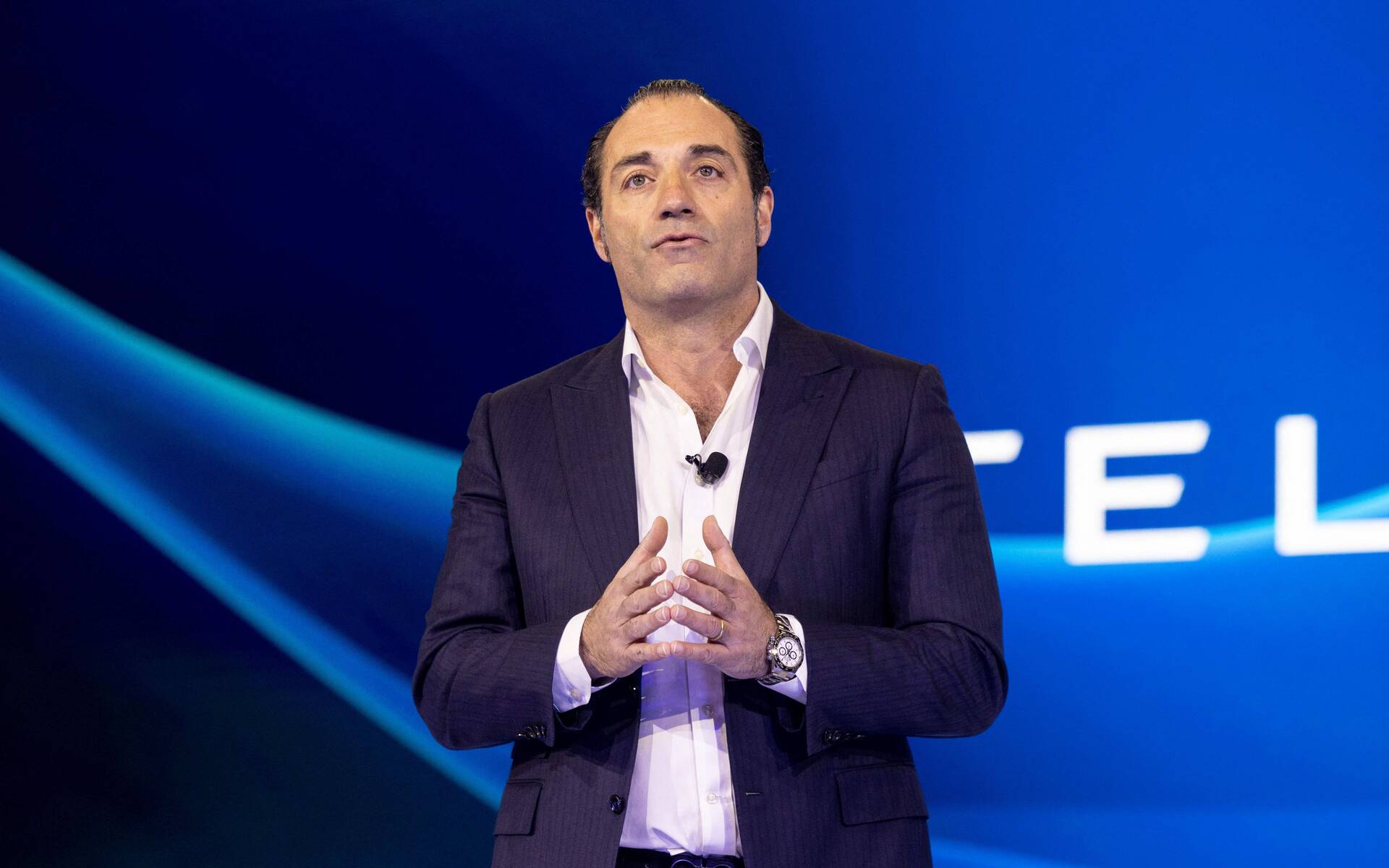
At the REF 2026 conference held at Roland-Garros, Stellantis CEO Antonio Filosa served up a generous slice of corporate humble pie, publicly admitting what realistic automotive accountants have been whispering for years: the group’s original vision of rapid EV dominance was built on pure fantasy.
The grandest manifestation of this daydreaming occurred in the United States, where corporate strategists mapped out a future with over 50 percent EV adoption, only to hit a brick wall when real-world market penetration stalled at a humbling 6 percent.
Filosa is steering Stellantis toward a pragmatic multi-energy strategy. Instead of forcing battery-electric powertrains on reluctant buyers, the conglomerate will build whatever consumers actually want to purchase—be it internal combustion, hybrid, or electric.
Financially, this tactical retreat appears to be stabilizing the enterprise. Despite massive write-downs during its strategic overhaul, H1 2026 net revenue rose 10 percent to deliver €1.5 billion in profitability and €2.1 billion in free cash flow.
The real plot twist, however, lies in how Stellantis plans to handle the relentless influx of Chinese automakers, who already command over 1.5 million units of installed manufacturing capacity across Europe. Rather than attempting to build legislative moats, Filosa’s survival strategy is simple. If you cannot beat them, sub-lease to them. Stellantis is actively negotiating to hand over underutilized floor space at its Rennes assembly plant in France to a Chinese partner to avert factory closures. All while keeping its proprietary vehicle platforms and the “Stellabrain” software architecture strictly in-house.
Naturally, Filosa has not given up on European lobbying altogether. Reminding Brussels officials that Stellantis manufactures 86 percent of its European sales locally, he demanded a protective “Made in Europe” framework to level the playing field against foreign importers, along with relaxed CO2 targets for Light Commercial Vehicles.
Conceding that modern vehicles have priced out average families, Stellantis promised 60 product launches. Including an “E-Car” initiative and a revived Citroën 2CV designed around radical simplicity. Add a Peugeot brand identity refresh slated for 2028, and Filosa’s core message is clear. The future of driving looks a lot less like an overpriced electric spaceship and a lot more like practical, accessible transportation.