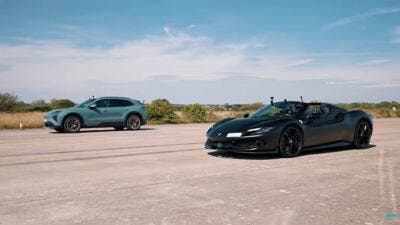
The Porsche Cayenne Turbo Electric takes on the Ferrari 296 GTS in a drag race organized by Carwow. The Porsche brings more power and all-wheel drive, while the Ferrari counters with a dramatically lower weight. From a standing start, the race puts two very different approaches to high performance against each other.
Porsche Cayenne Turbo Electric takes on Ferrari 296 GTS in surprising drag race
The Porsche uses two electric motors that deliver up to 1,140 hp, and 1,106 lb-ft (1,500 Nm) of torque with Launch Control. That distinction matters because those figures represent the maximum output available during the launch procedure. All-wheel drive also helps the Cayenne put its enormous power down during the first few yards, where traction can matter just as much as outright horsepower.
The Cayenne still has to move 2,645 kg, or about 5,831 pounds, according to Carwow. Its electric powertrain therefore needs to overcome the considerable weight of a vehicle that also offers SUV practicality, passenger space and luggage capacity far beyond anything the Ferrari can provide.
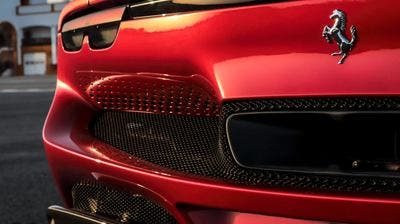
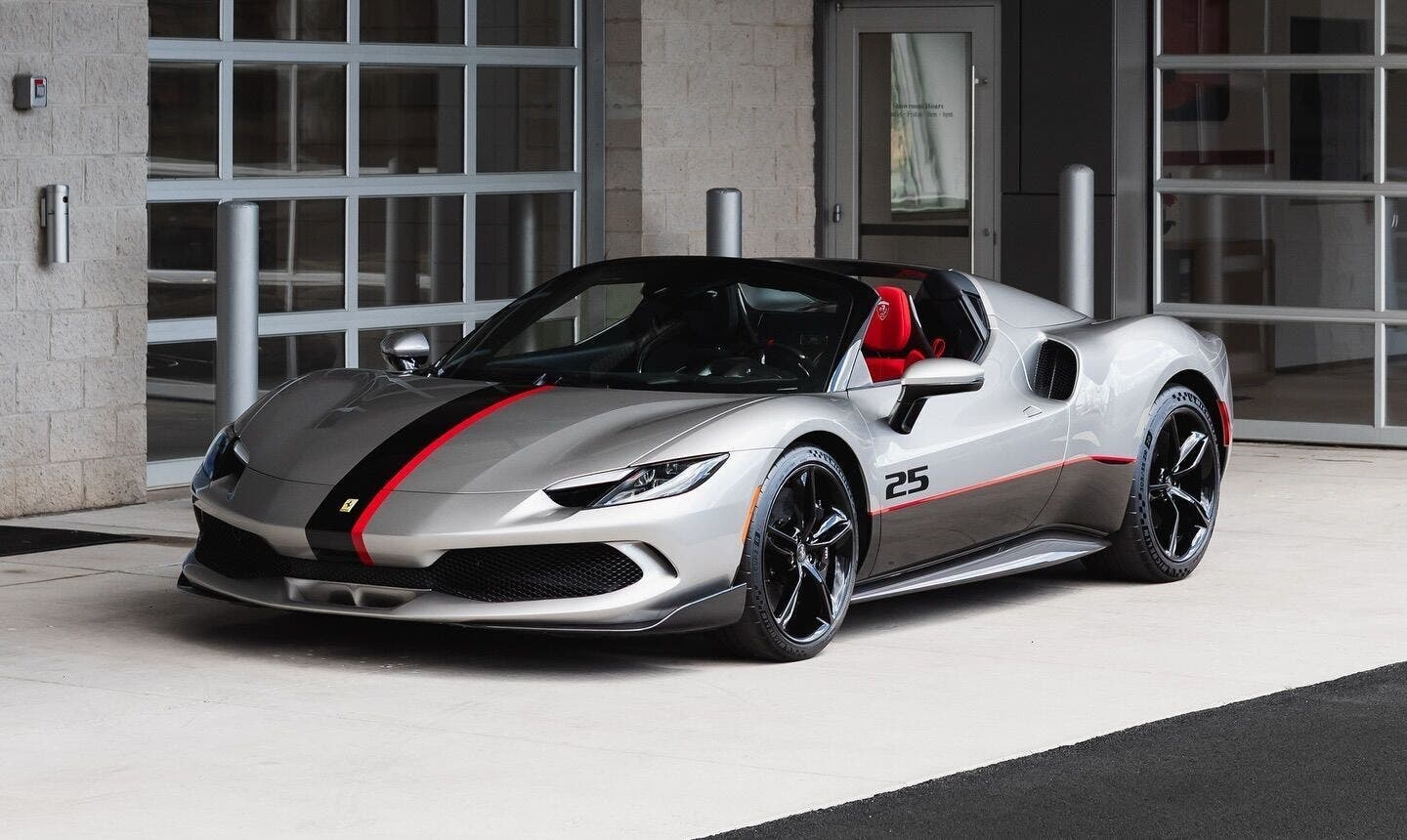
The Ferrari 296 GTS responds with a combined 819 hp, from its 3.0-liter twin-turbo V6 and electric motor. An eight-speed dual-clutch transmission sends all of that power to the rear wheels. Unlike the Porsche, the Ferrari relies on just two driven tires to manage the initial surge of power off the line.
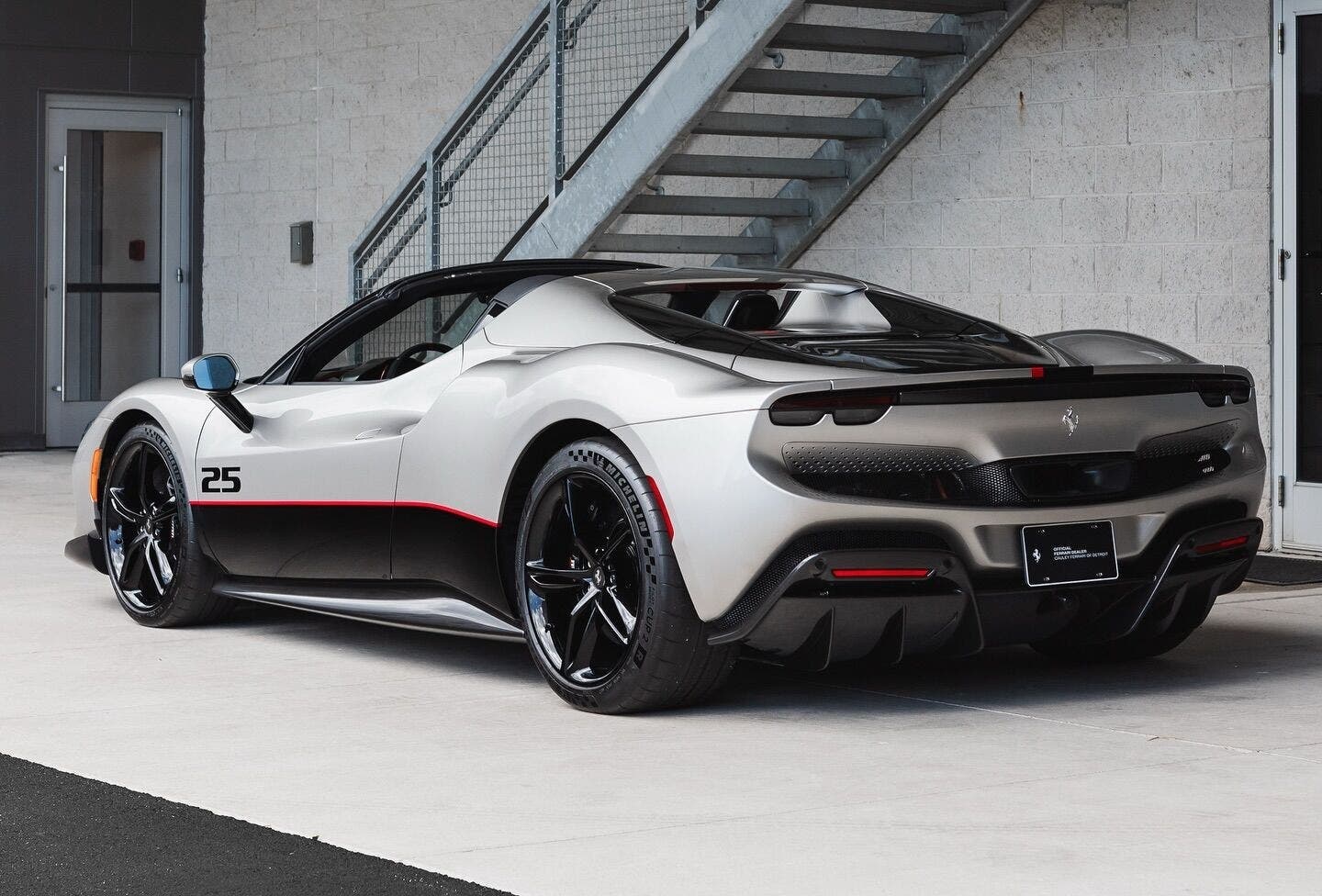
Ferrari quotes a dry weight of 1,540 kg, or about 3,395 pounds, when the car carries optional lightweight equipment. That number does not represent a ready-to-drive vehicle with fluids and a driver on board. Comparing it directly with a figure measured under different conditions would produce a misleading power-to-weight calculation, although the Ferrari clearly holds a major advantage in overall mass.
On the drag strip, the Cayenne can use all-wheel drive to maximize traction at launch, while the Ferrari has far less weight to accelerate. The race shows how much those two advantages matter in a straight line, without attempting to measure other qualities such as cornering precision, repeated braking performance or driver involvement.
Carwow’s full video puts both cars through the same test and shows how the race develops from the launch through the rest of the acceleration run.