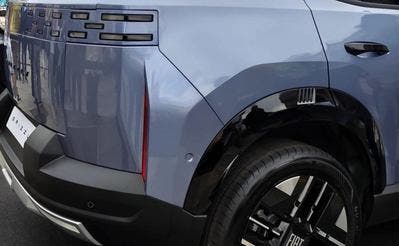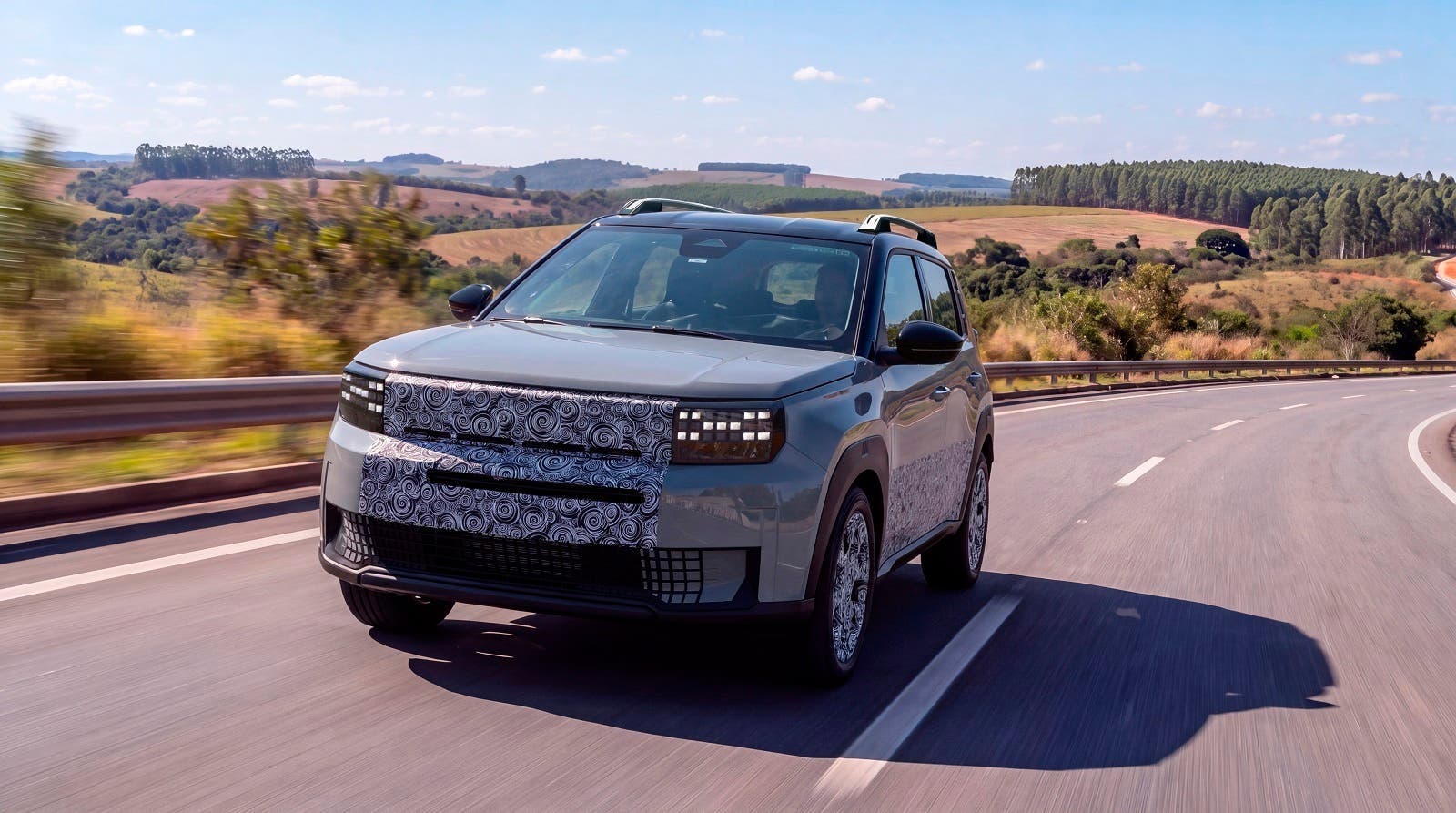
Fiat is preparing to launch the Argo X in Brazil without retiring the current Argo, which will continue to cover the more affordable end of the lineup. The new compact, derived from the European Grande Panda, is completing its final validation program ahead of its official unveiling. Prototypes have already covered more than 1 million kilometers, or roughly 621,000 miles, generating data for the last stages of development.
Fiat Argo X completes over 1 million kilometers of testing ahead of Brazil launch
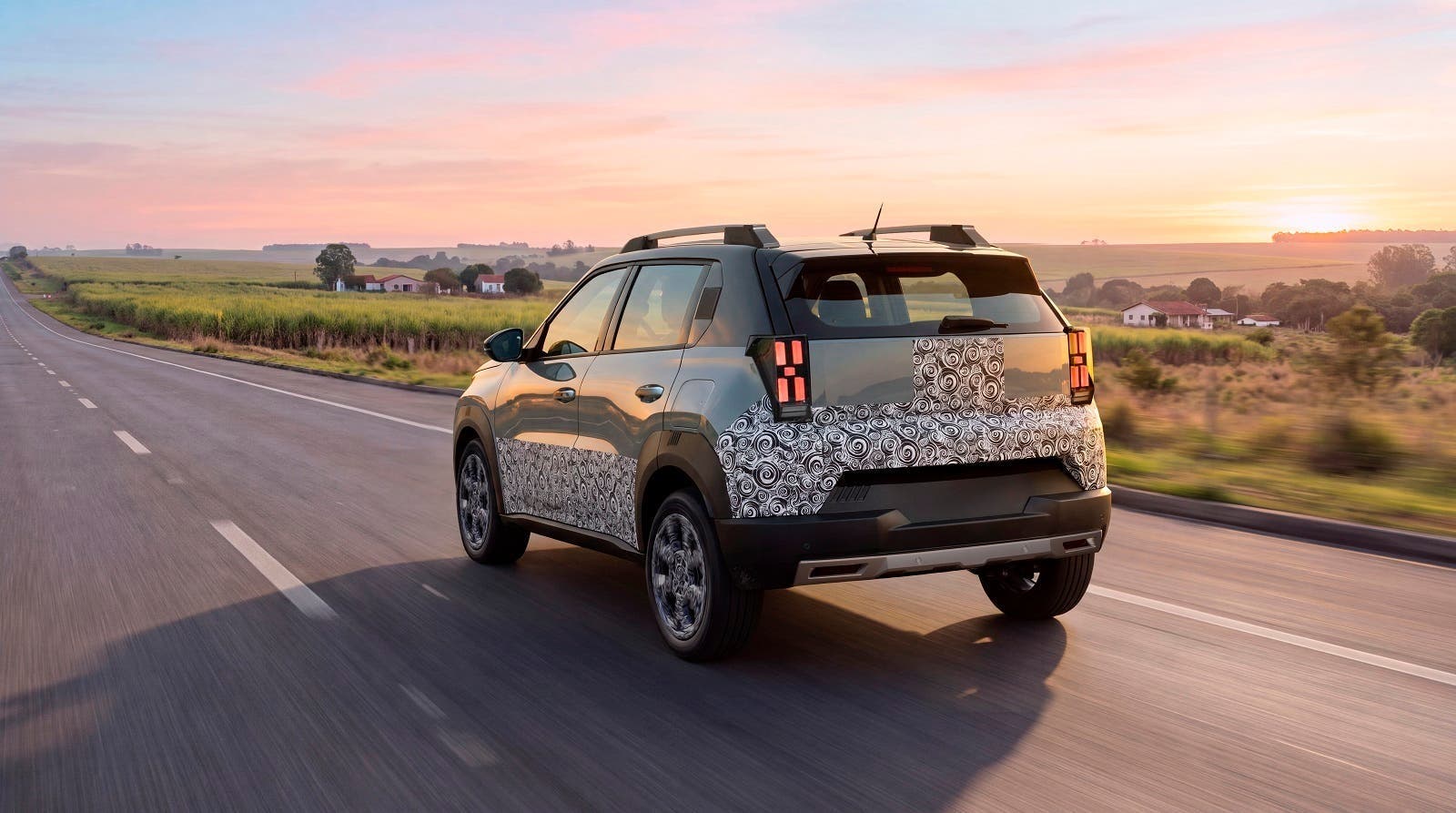
Fiat will build the Argo X in Betim, Minas Gerais, where it will kick off a new wave of Stellantis launches planned for South America. The broader program calls for 32 billion reais, or about $6.12 billion, in regional investment through 2030, including 14 billion reais, roughly $2.68 billion, for the Brazilian manufacturing complex. The Argo X will use the Smart Car platform, which already underpins the Grande Panda and several other Stellantis models in Europe.
According to information reported by Autos Segredos, the least expensive versions will use a naturally aspirated 1.0-liter Firefly three-cylinder engine producing about 70 hp on gasoline and 74 hp on ethanol, paired with a five-speed manual transmission.
Higher trims should instead receive a 1.0-liter turbocharged mild-hybrid engine producing about 114 hp, coupled with a CVT automatic transmission. Fiat will confirm the final powertrain and trim structure when it officially presents the vehicle.
The connection to the Grande Panda will remain visible in the exterior design, while the cabin should adopt a more restrained look than the colorful European model. Reported equipment includes six airbags, while higher trims are expected to add automatic emergency braking and lane-keeping assistance.
Fiat continues adapting the Argo X to Brazilian driving conditions through an extensive road-testing program that complements computer simulations. Test drivers have covered urban traffic, rural roads, highways and more demanding surfaces while also evaluating the effects of different climates and road conditions.
Part of that work takes place at Stellantis’ Curvelo proving ground, where engineers can reproduce specific conditions and compare physical testing with virtual development data. Márcio Tonani, who oversees Stellantis technical centers in South America, explains that the accumulated mileage helps engineers evaluate how components behave in everyday use. The information then allows teams to fine-tune the vehicle before commercial production begins.

Fiat has already confirmed that the current Argo will remain on sale alongside the new model. Brazilian reports suggest its lineup could shrink to the Urban 1.0 manual and 1.3 CVT versions, although Fiat has not yet confirmed that configuration.
Current Argo pricing ranges from 97,990 to 111,990 reais, or approximately $18,700 to $21,400 at current exchange rates. Fiat has yet to announce Argo X pricing or an official reveal date, leaving its exact position above the current model as one of the key details still to come.