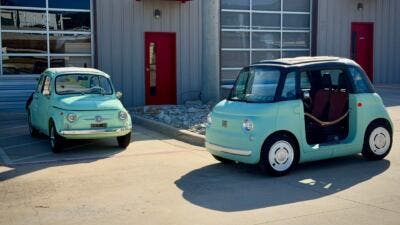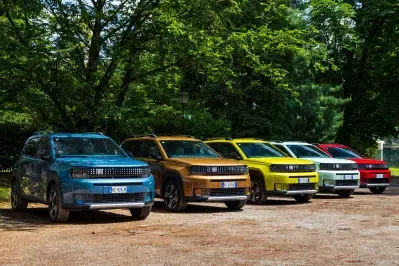
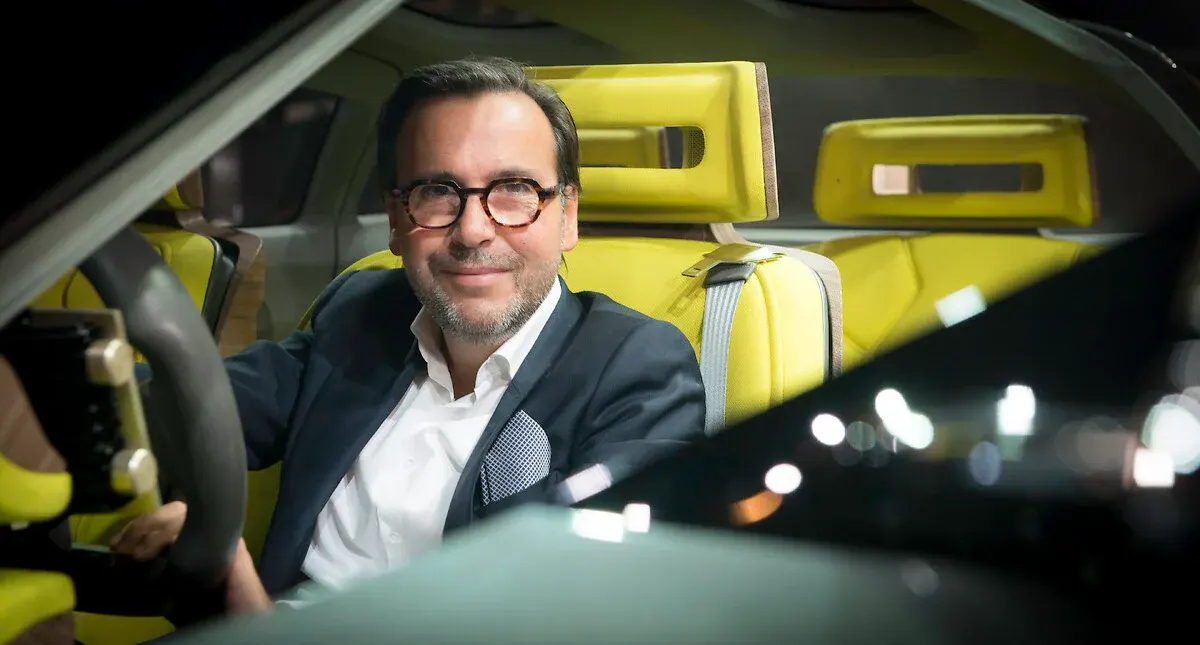
Arnaud Belloni takes charge of Fiat at a time when the brand has returned to growth but still remains far from the position it once held in the European market. An analysis from Auto Infos highlights this contrast, pointing to the Grande Panda as one of the models helping sales recover while the past 15 years show how much ground Fiat still needs to regain.
Belloni takes charge of Fiat as the brand tries to reverse 15 years of decline
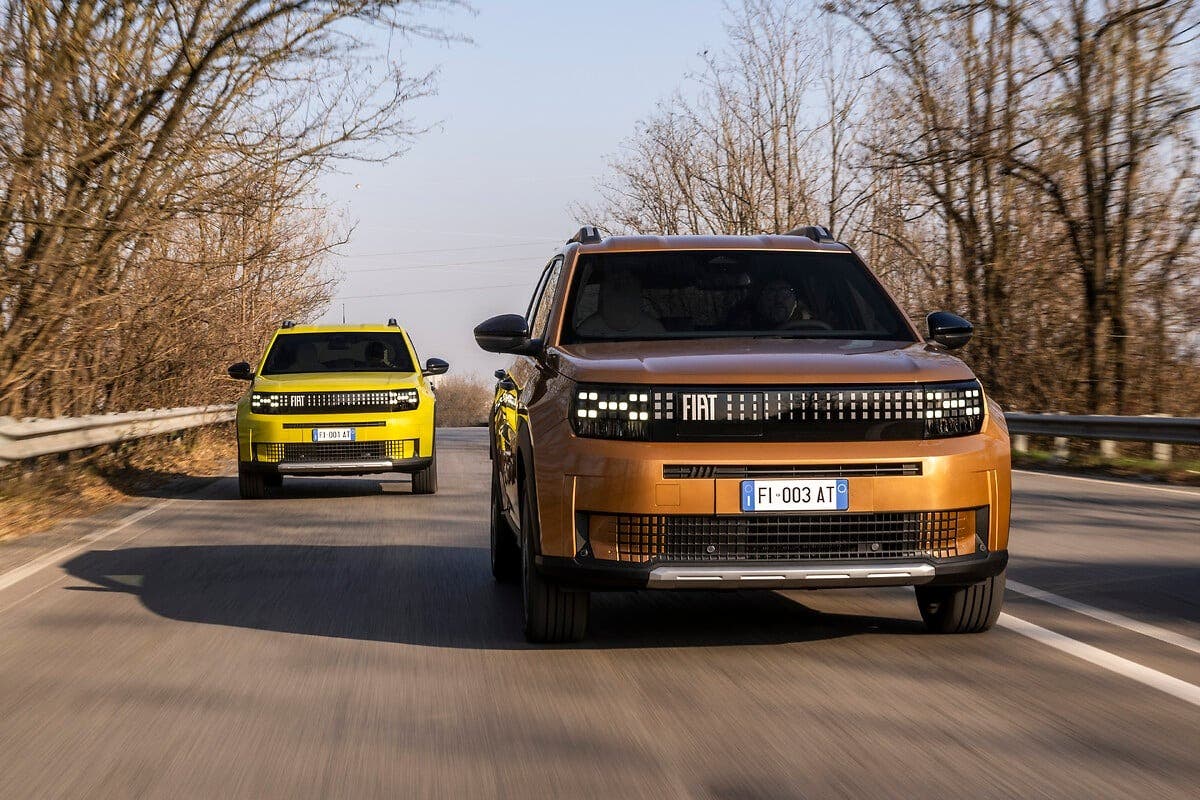
According to the French publication, Fiat held roughly 7% of the European market in 2009, while passenger-car registrations, excluding commercial vehicles, reached only about 271,000 units in 2025. Auto Infos estimates that sales fell by nearly 70% over 15 years. The shrinking lineup also reflects that decline. Fiat discontinued the Punto without a direct replacement and, after the Bravo, never returned with a traditional compact model in the same segment.
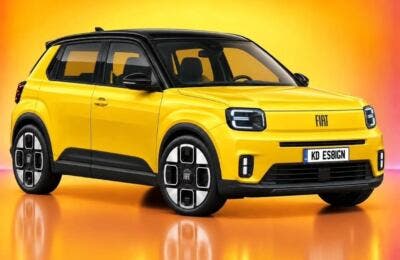
The picture looks different in 2026. Auto Infos puts Fiat’s first-half market share at 2.7%, up from 2.2% during the same period in 2025. Fiat, meanwhile, reports a 3.3% share in the EU29 region and a 21.7% increase in registrations. The two figures cover different geographic areas, so a direct comparison would give a misleading result. Both, however, point to a recovery from last year, with the Grande Panda contributing to the improvement.
Belloni now faces the challenge of making that growth sustainable outside Italy. Brazil shows how different Fiat’s position can be from one market to another. During the first seven months of 2026, the brand maintained its leadership in Brazil with a 19.6% market share. In Europe, the Grande Panda gives Fiat a stronger foundation, but one model alone cannot fill all the gaps that Fiat left in its lineup over the years.
Mirafiori also shows how difficult it remains to turn every new launch into steady production. Stellantis has announced temporary layoffs from October 19 through October 30 on the electric and Hybrid 500 line. The arrival of the hybrid version had already increased production compared with 2025 and allowed the plant to restore a second shift, but it did not eliminate stoppages. The shutdown affects both powertrains, so demand for the Hybrid alone does not explain the decision.
Belloni has already taken responsibility for Fiat, Abarth and Lancia, while Olivier François will support the transition until mid-October. Fiat’s recent growth gives its new leader a stronger starting point, but the bigger test will be building a lineup capable of supporting European sales without relying too heavily on the relatively small number of models that have carried the brand in recent years.