

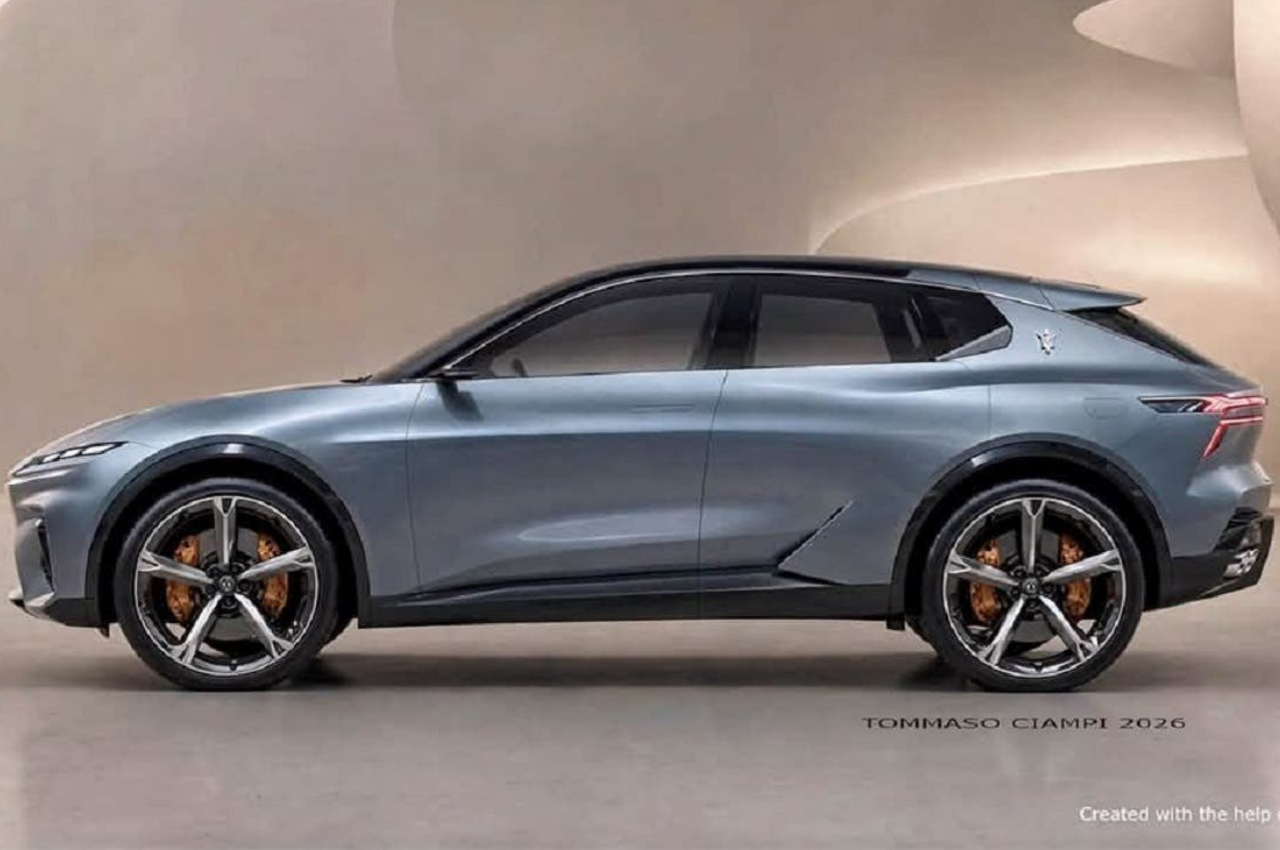
Stellantis has confirmed two new E-segment Maserati models by 2030, but the group has not yet said whether one of them will succeed the Levante. A large SUV remains the most credible candidate to fill the gap left by the model that ended production in 2024, although Maserati will likely define its name, design and technical specifications only when Stellantis presents its new roadmap in Modena in December 2026. The official FaSTLAne 2030 plan currently places both projects only in the upper end of the market. An independent rendering by designer Tommaso Ciampi attempts to imagine what the future SUV could look like.
Maserati’s next flagship SUV could reinvent the Levante formula
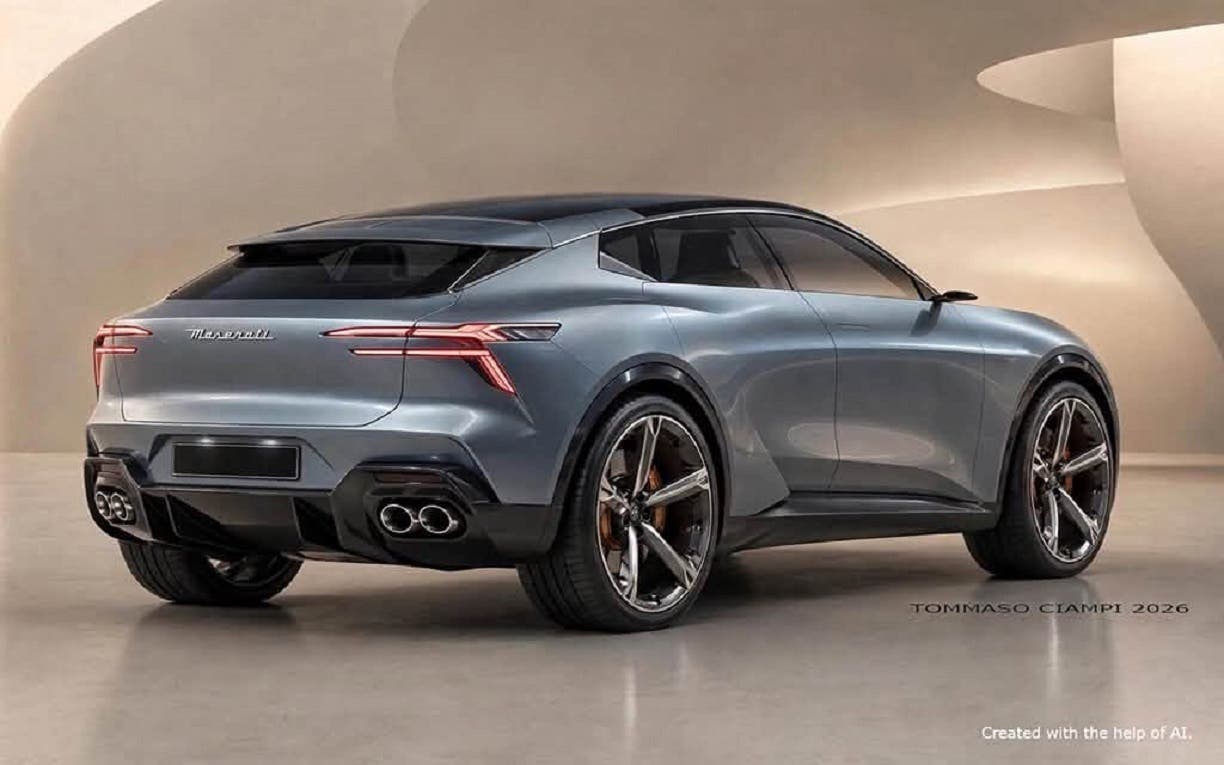
The concept depicts a lower and sleeker vehicle than the previous generation, visually moving it closer to a raised grand tourer. A long hood and a rearward-positioned cabin give the SUV lighter proportions despite its substantial size, moving away from the bulky approach adopted by many rivals. The rear follows the same philosophy with a sloping rear window and a thin lighting signature, while four exhaust outlets suggest the possible use of a high-performance combustion engine.
Maserati has not revealed which architecture the real production model will use. Rumors have long pointed to the STLA Large platform and production at the Cassino plant, but Stellantis has not officially confirmed either possibility. The Levante name also remains uncertain, as Maserati could retain it or introduce a completely different name as part of its new product strategy.
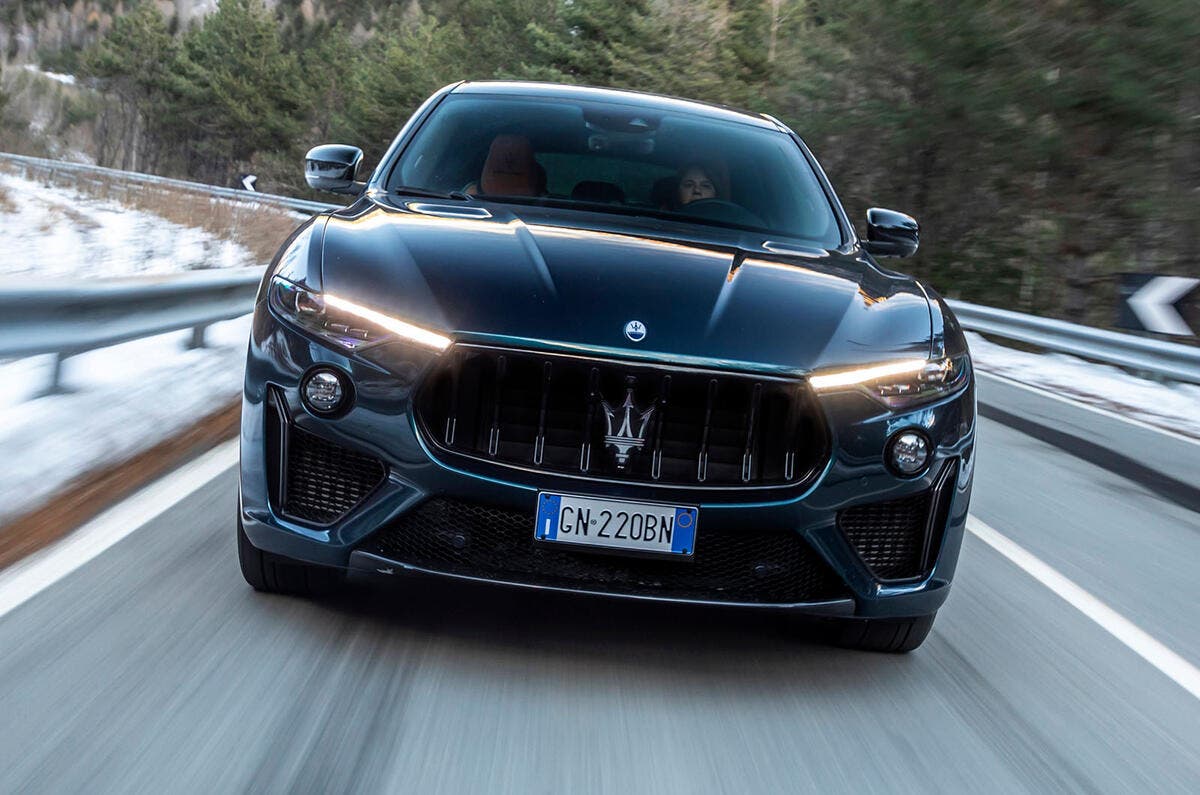
The lineup presented in 2026 nevertheless suggests a more flexible approach than the previous plan centered on full electrification. Maserati continues to offer its Folgore electric models, while also strengthening the role of the Nettuno V6 through updates to the Grecale, GranTurismo and GranCabrio. That direction alone does not reveal what will power the future flagship SUV, however, since Maserati has not announced output figures, battery specifications or powertrain configurations.
Its E-segment positioning should place the future SUV above the Grecale and close to the old Levante’s nearly 5-meter, or roughly 197-inch, length. Maserati should provide clearer details on dimensions, production location and powertrains after the December presentation, which may also reveal whether the company plans to revive the Levante name or replace it altogether.