


Stellantis bucked the broader US market trend in August 2026, with total sales rising 1.3 percent even as the overall market fell 6.3 percent. Preliminary data compiled by MarkLines puts the group at 108,040 vehicles, up from 106,621 in August 2025, although part of that figure relies on estimates that still require confirmation once final results become available. August 2026 also had one fewer selling day than the same month last year.
Stellantis bucks the US downturn as sales rise while the market falls more than 6%
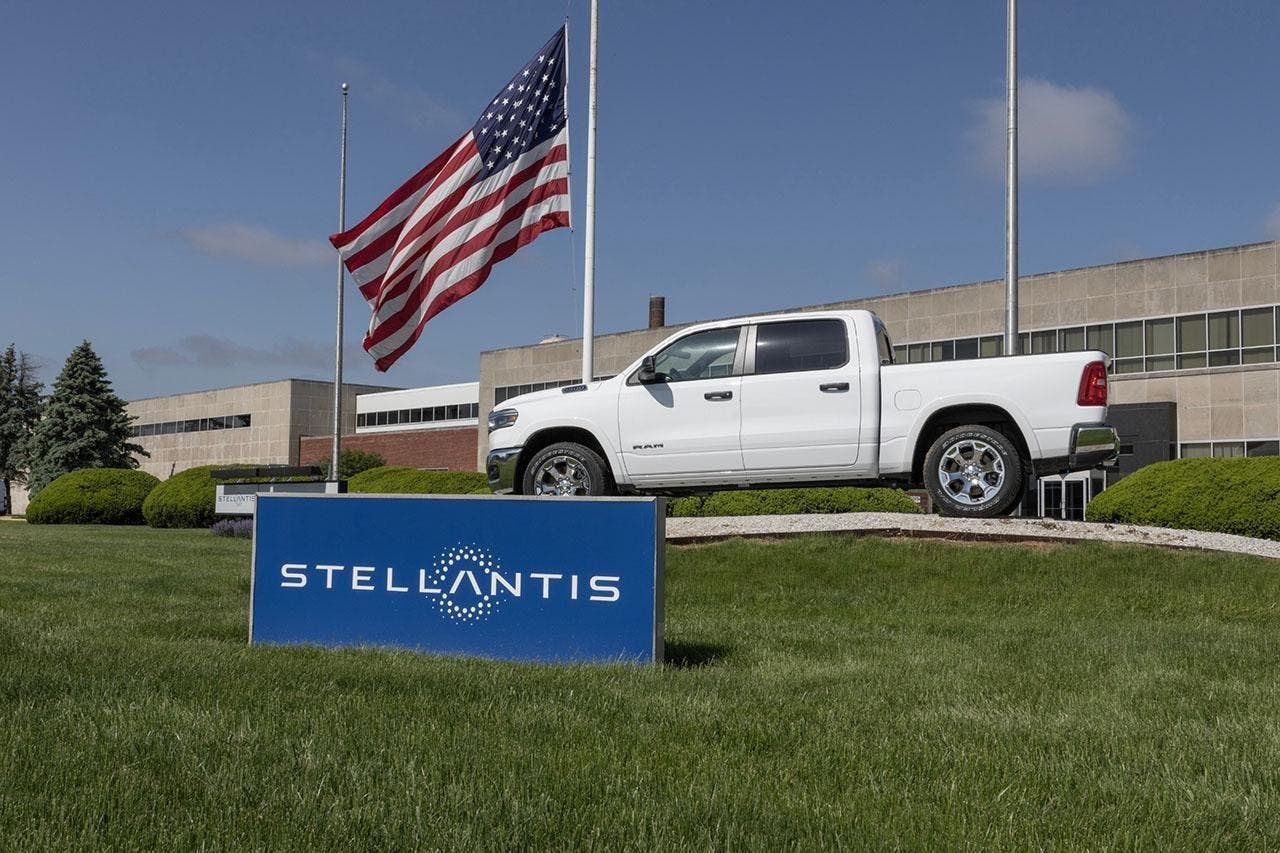
General Motors remained the monthly leader with 223,286 vehicles but posted an 11.4 percent decline, while Ford fell 11.2 percent to 164,363 units. Toyota limited its drop to 4.4 percent with 215,556 deliveries, Honda gained 1 percent and the Volkswagen Group fell 15.7 percent, making Stellantis’ performance stand out even more.
Ram and Jeep continued to generate most of Stellantis’ US volume. Motor Intelligence estimates more than 45,000 sales for Ram and over 43,000 for Jeep, while Chrysler contributed just above 10,000 units and Dodge around 8,600. Fiat and Alfa Romeo remained at much lower levels and had only a limited impact on the overall result.
August extends the recovery seen during the first half of the year, after the second quarter delivered a 6 percent increase in US sales. Stellantis had already completed four consecutive quarters of year-over-year growth and brought its North American market share back to 7.4 percent.

Between April and June, the Jeep Grand Wagoneer increased retail deliveries by 43 percent, while the Ram 1500 and Dodge Durango each gained 9 percent and the Chrysler Pacifica rose 7 percent.
A 1.3 percent increase does not erase the challenges Stellantis has faced in recent years, but it carries more weight because it came during a broad market slowdown. North America remains a major source of profit for the group, making it essential to maintain this momentum over the coming months.
Any renewed weakness from Jeep or Ram could quickly wipe out the progress, especially if tariffs and broader economic conditions continue to weigh on demand and regional profitability.