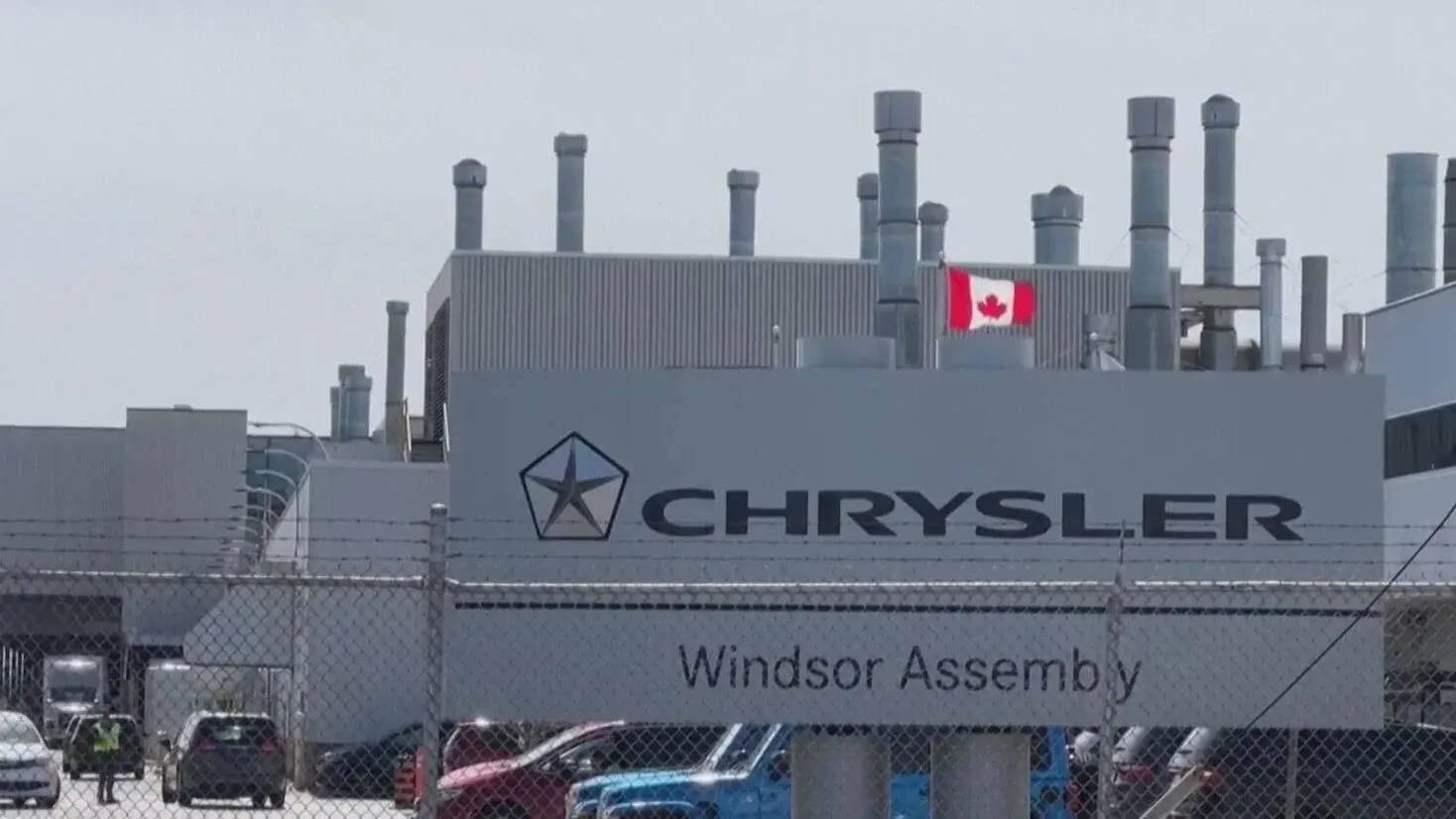
If you appreciate a predictable work schedule, whatever you do, don’t look for a job at Stellantis’ Windsor Assembly Plant in Canada. Workers barely had time to wipe the dust off their toolboxes upon returning to the assembly line on October 5 before corporate management handed them another calendar filled with mandatory couch time.
Stellantis has officially scheduled three more weeks of production shutdowns starting October 19, October 26, and November 2, sending over 6,400 employees back home for another seasonal hiatus.
Stellantis officially blames this operational whiplash on fluctuating North American demand and cross-border trade friction, which apparently make managing inventory about as predictable as a coin toss.
The comedic irony, however, lies in how rapidly corporate strategy swings from frantic expansion to a complete standstill. Back in February, Stellantis proudly revived Windsor’s third shift, hiring more than 1,700 fresh faces to keep the lines humming 24/7. After all, the company has poured roughly 1.9 billion Canadian dollars into the facility since 2022, retooling it with high-tech robotics for the multi-energy STLA Large platform to build the new Dodge Charger family alongside the Chrysler Pacifica and Grand Caravan minivans. Just last May, factory floor workers were throwing confetti to celebrate the production launch of the updated 2027 model year Pacifica.
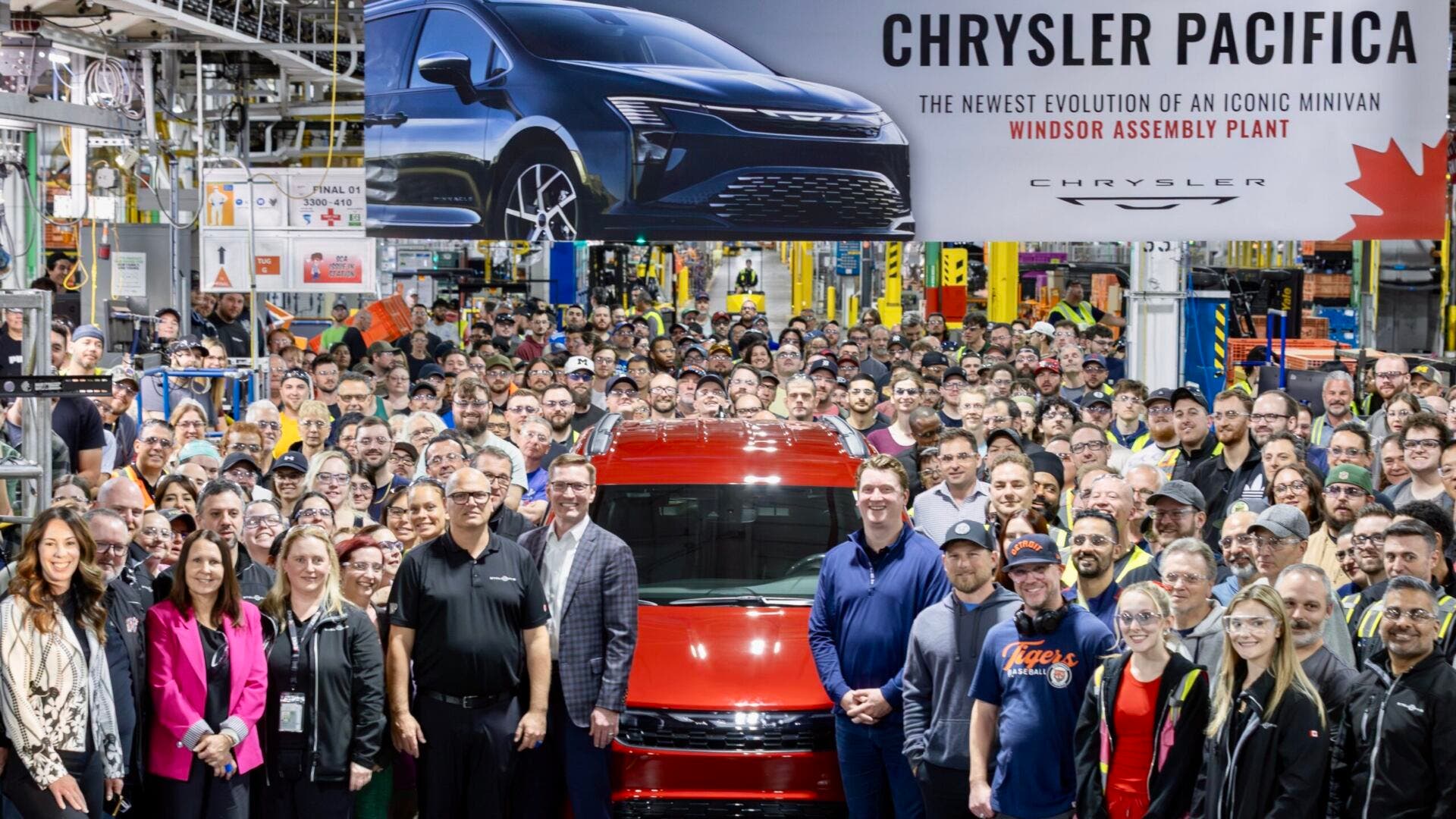
The narrative gets even weirder when you inspect actual showroom sales. The Chrysler Pacifica moved 34,491 units in the U.S. during the third quarter, a solid 6% increase year-over-year, pushing nine-month sales up by 13%. Over in Canada, the Dodge Charger recorded a 142% quarter-over-quarter bump with 521 units delivered. Yet, moving minivans and muscle cars off dealer lots isn’t enough to save workers from the cold realities of swollen dealer inventories, uneven trim demand, and cross-border supply chain headaches.
Adding to the drama, this temporary shutdown arrives right in the middle of delicate labor negotiations between Stellantis and Unifor. The collective bargaining agreement expired on September 20, and while strike votes haven’t been called yet, the union is aggressively fighting to secure future product commitments for Windsor, the Etobicoke casting plant, and the idle Brampton facility that Stellantis is currently considering selling off.
So as 6,400 families navigate an autumn of stop-and-go paychecks, Stellantis proves once again that even a multi-billion-dollar modern facility can’t keep the lights on when corporate logistics go sideways.