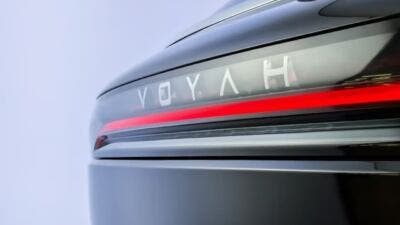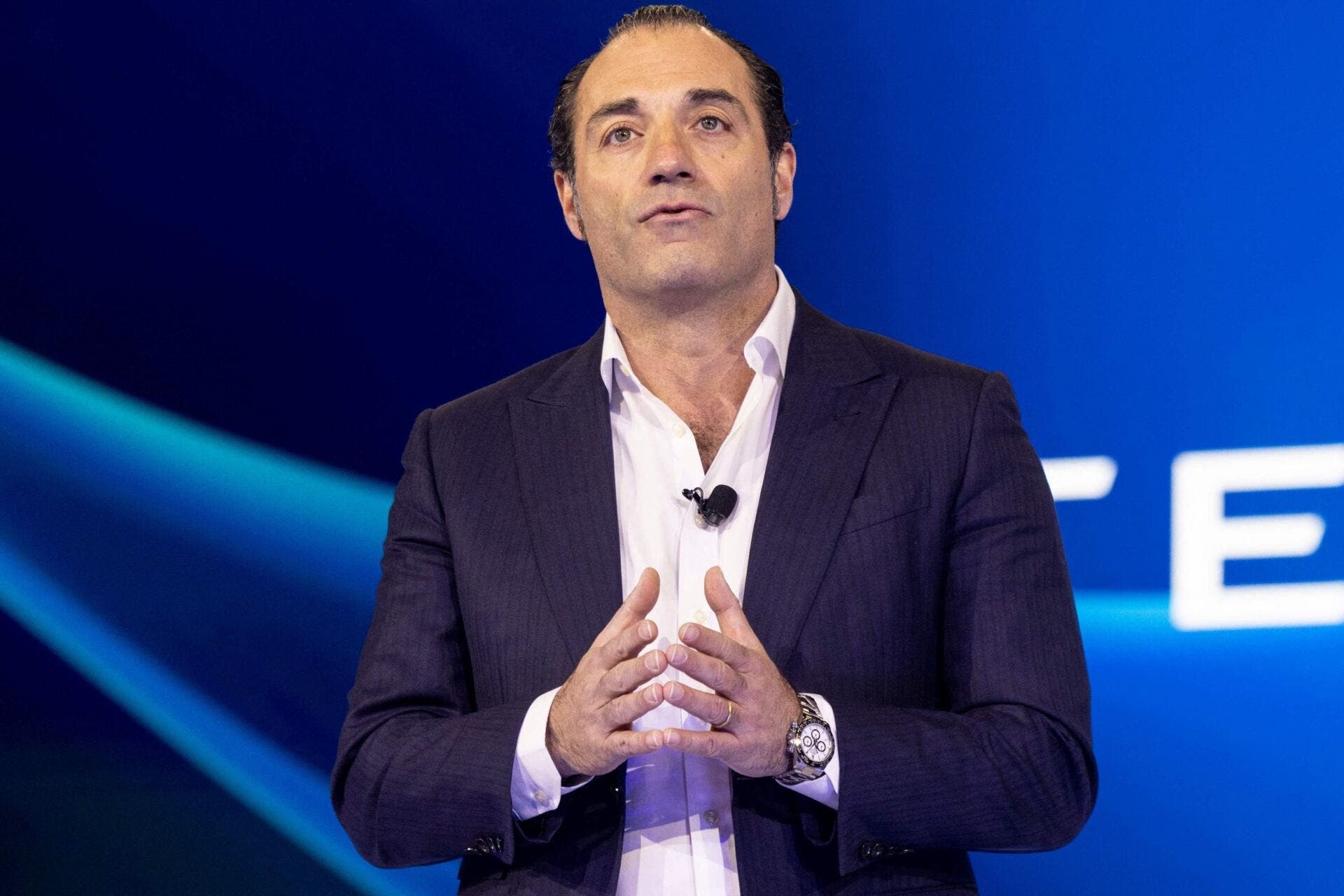
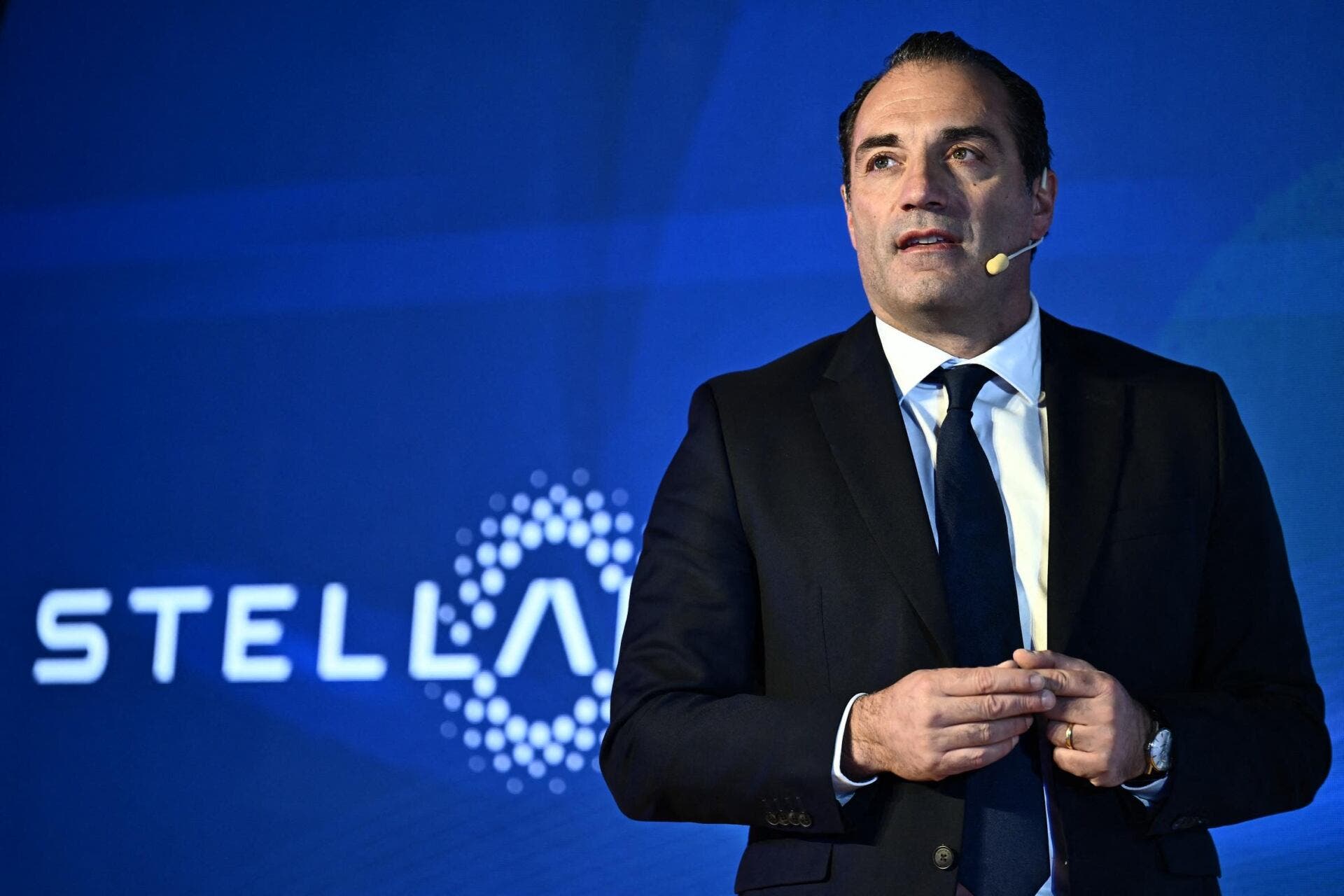
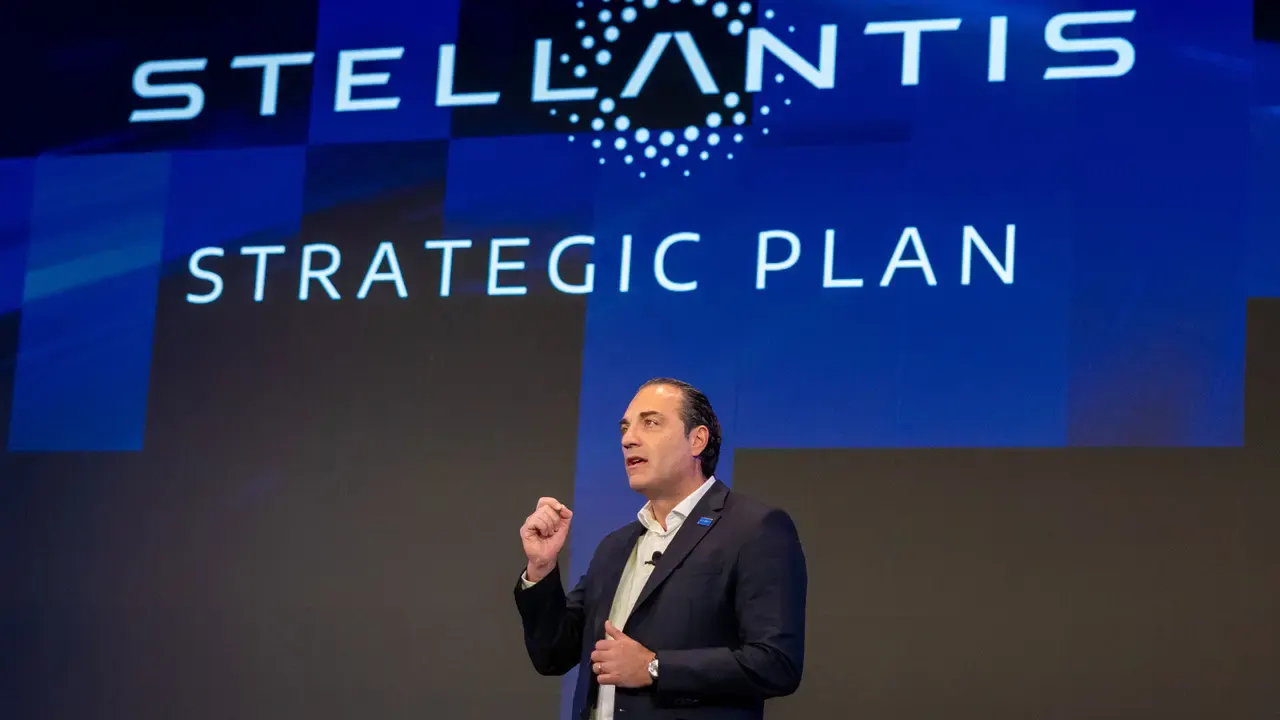
Stellantis changed its electric-vehicle strategy after underestimating what customers actually wanted, according to CEO Antonio Filosa, who criticized the company’s previous approach during the Automotive News Congress in Detroit. Filosa said Stellantis had built its strategy around assumptions that ultimately proved wrong and described the old business model as being too closely “anchored to, let’s call it, an ideology.” He now wants the automaker to give customers a much broader choice of powertrains.
Stellantis rethinks EV strategy after admitting it misread customer demand
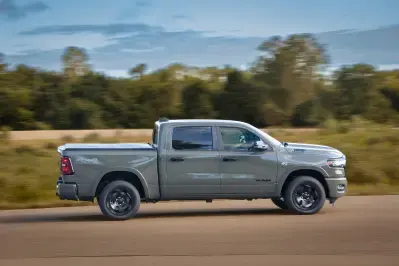
In North America, that approach has brought combustion engines back into focus while Stellantis develops large range-extended electric SUVs and pickups. Filosa sees those products as a response to customer demand rather than an attempt to satisfy a single regulatory strategy. Their gasoline engines work primarily as generators, allowing drivers to continue traveling without relying exclusively on charging stops.
Stellantis has also returned more decision-making power to its regional teams. Filosa argues that an organization that depends too heavily on corporate headquarters can lose touch with customers. Giving regional executives more control over product and go-to-market decisions, while listening more closely to dealers, should help the company understand what buyers actually want in each market.
The financial cost of the strategic reset became clear on February 6, 2026, when Stellantis announced approximately €22.2 billion, or about $25.0 billion, in charges related to the second half of 2025. That figure covers much more than abandoned EV investments. It also includes changes to product programs, the electric-vehicle supply chain, warranty provisions and other operational measures.
Stellantis attributed €14.7 billion, roughly $16.6 billion, to realigning product plans with customer demand and changing US regulations, including lower expectations for battery-electric vehicle volumes. Another €2.1 billion, around $2.37 billion, relates to resizing the EV supply chain, while the remaining €5.4 billion, approximately $6.08 billion, covers warranty adjustments, restructuring and other items.
Those accounting charges do not equal the amount Stellantis expects to pay out in cash. The company forecasts approximately €6.5 billion, or $7.32 billion, in cash payments over four years as a result of the reset.
The previous strategy targeted a 100% battery-electric passenger-car sales mix in Europe by 2030. Stellantis has since acknowledged that it expected the transition to move faster than customers ultimately did and that demand varies significantly from one country to another. The new strategy keeps battery-electric vehicles in the portfolio but places them alongside hybrids, range-extended models and advanced combustion-engine vehicles.
The financial impact also led Stellantis to suspend its annual dividend in 2026. Its board additionally authorized up to €5 billion, approximately $5.63 billion, in non-convertible subordinated perpetual hybrid bonds. Stellantis says those measures will help preserve liquidity while it carries out its revised industrial and product plans.