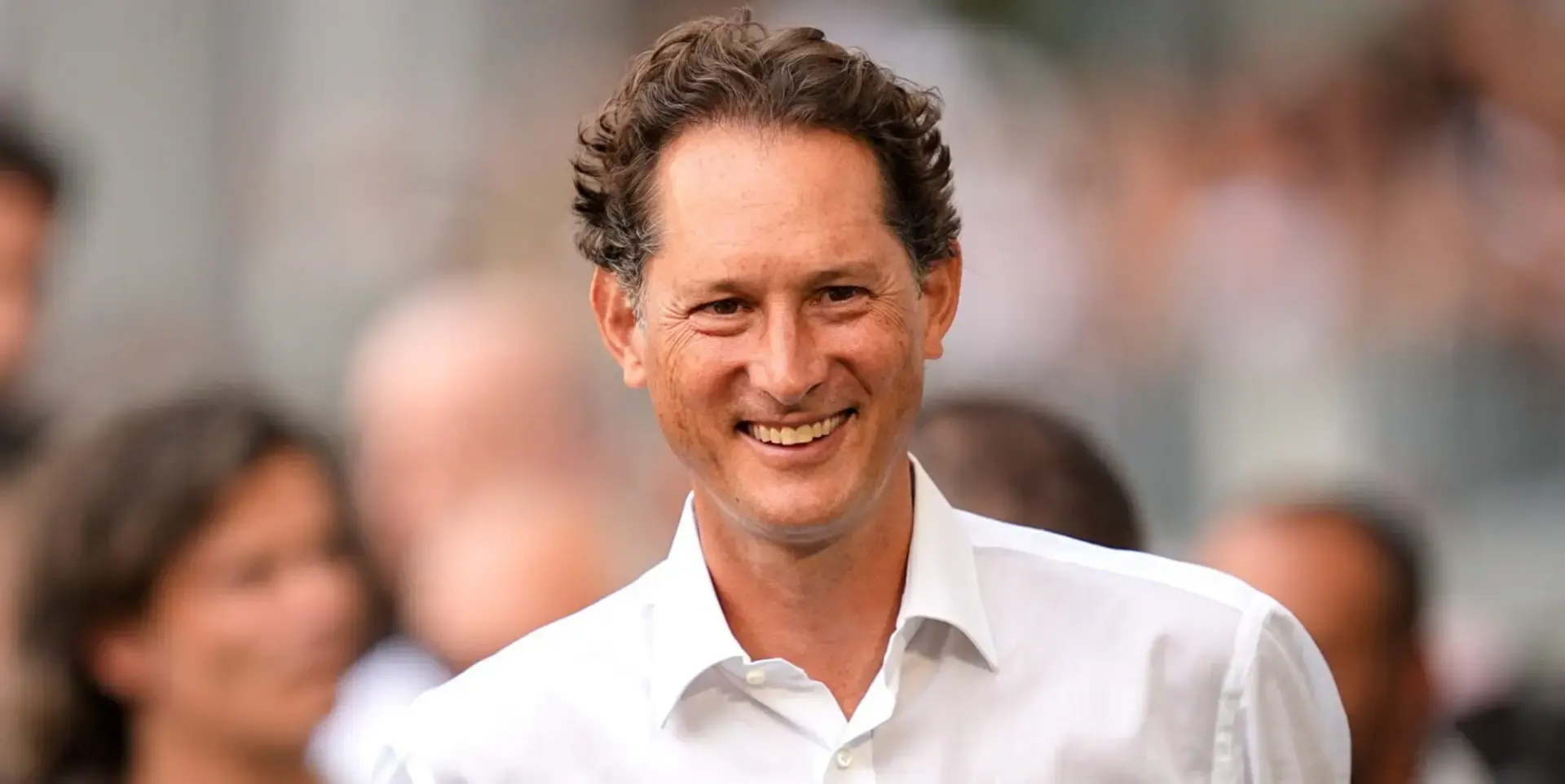
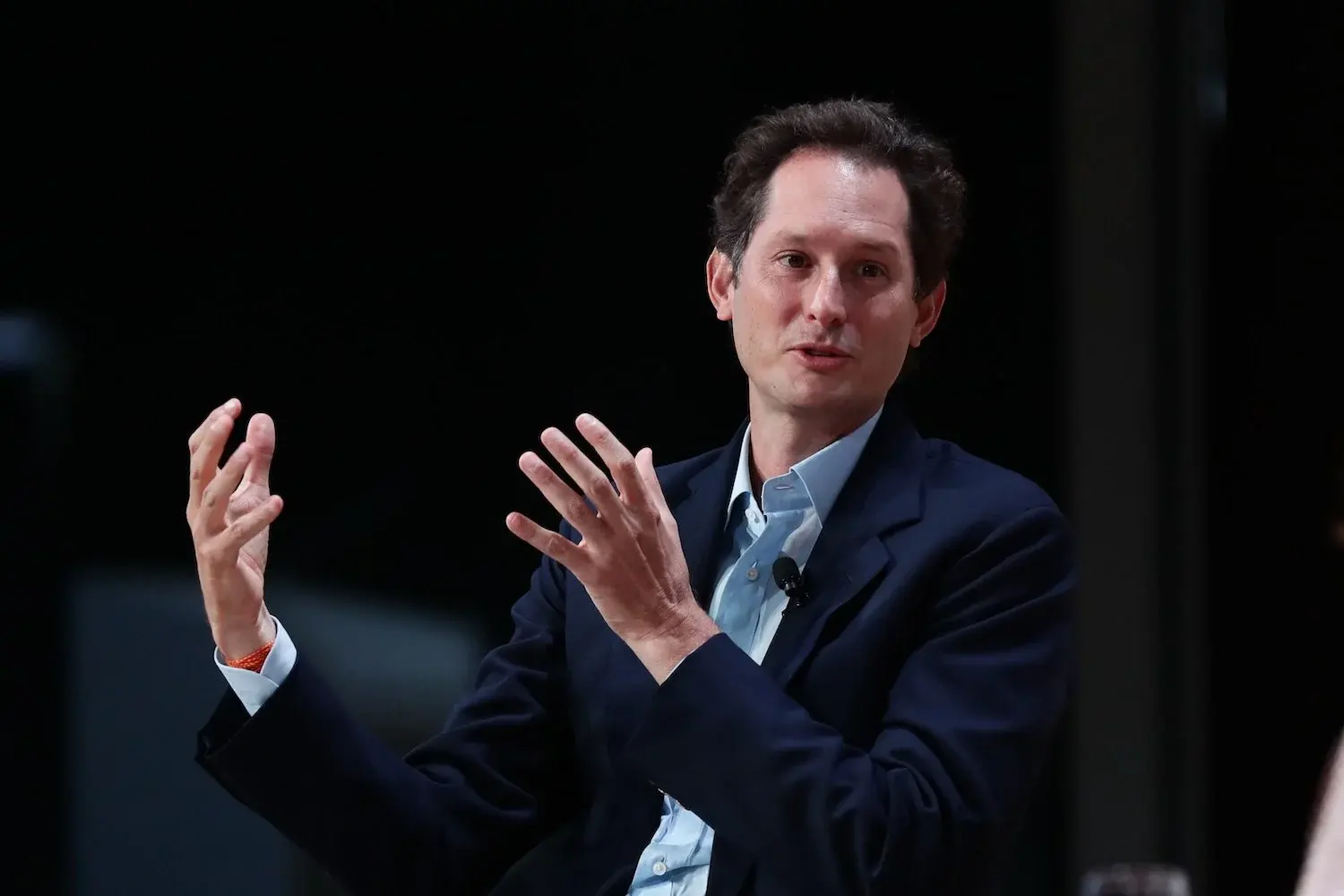
Long before Stellantis started juggling platform consolidation, political finger-pointing, and electric vehicle growing pains, its parent company was staring directly into the corporate abyss. Speaking on the Made IT Podcast, Exor Chairman John Elkann recently took a trip down memory lane to the bleak days when the outside world had already written Fiat‘s obituary. Thrust onto Lingotto’s board at a tender age, Elkann witnessed firsthand an industrial titan teetering on extinction while critics lined up to perform last rites.
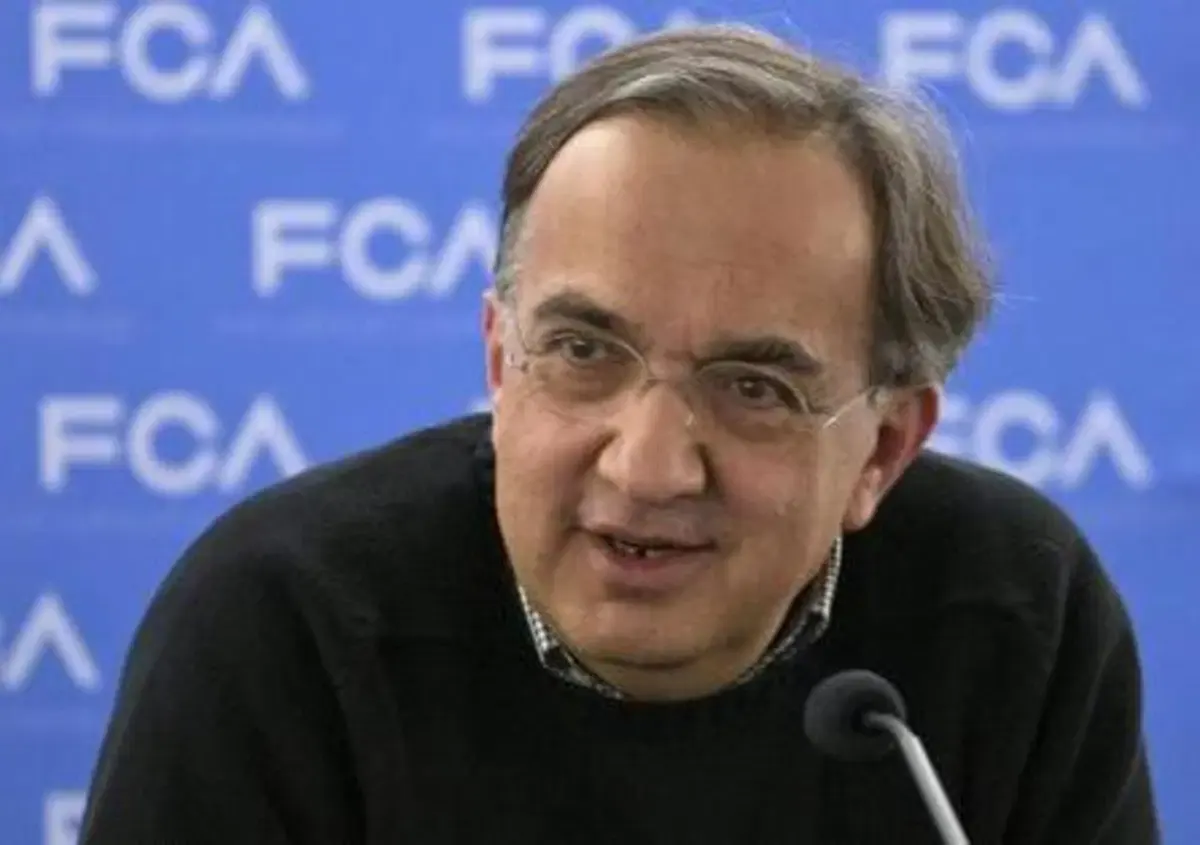
The turning point came with the appointment of the late sweater-enthusiast and corporate wizard Sergio Marchionne, who transformed Fiat from an ailing legacy headache into a global powerhouse. For Elkann, appointing Marchionne became a masterclass in high-stakes leadership, specifically, making cold-blooded decisions, owning your bets, and keeping a cool head while the house is on fire.
Channeling the legendary wisdom of his grandfather Gianni Agnelli, Elkann summed up the family philosophy with a telling line: “Continuity isn’t repeating the past; it’s having the courage to interpret the future while holding onto core principles”. It’s a convenient reminder at a time when Stellantis is navigating its own delicate patch of turbulence, proving that while corporate crises are cyclical, panicked short-term fixes shouldn’t obliterate long-term vision.
Yet Elkann’s podcast appearance wasn’t just an exercise in automotive nostalgia. The conversation smoothly pivoted from greasy factory floors to venture capital and the next generation of Italian founders. Through Exor’s early-stage fund, Vento, the Agnelli dynasty is backing tech-hungry entrepreneurs looking to build the next big thing on home soil.
Vento has already spurred the creation of 217 startups, generated over 3,000 jobs, and helped raise more than €55 million ($60 million) in total funding. Elkann argued that Italy certainly doesn’t lack sharp minds. It simply lacks the institutional capital and early-stage runway to keep ambitious talent from hopping on the first flight to Silicon Valley.
As artificial intelligence continues to disrupt traditional labor, providing young founders with seed capital, mentoring, and global scalability might just be Exor’s cleverest hedge yet. After all, if you can survive saving Fiat in the 2000s, bankrolling a few hundred risky tech startups probably feels like a walk in the park.