Stellantis wants to increase annual production at its Thiruvallur plant in India to more than 43,000 vehicles by 2028, up from around 16,000 expected in 2026. The plan follows the acquisition of the remaining stake held by Hindustan Motor Finance Corporation, part of the CK Birla Group, giving Stellantis full control of its manufacturing operations at the Indian site.
Stellantis targets major India expansion as Thiruvallur output heads toward 43,000 vehicles
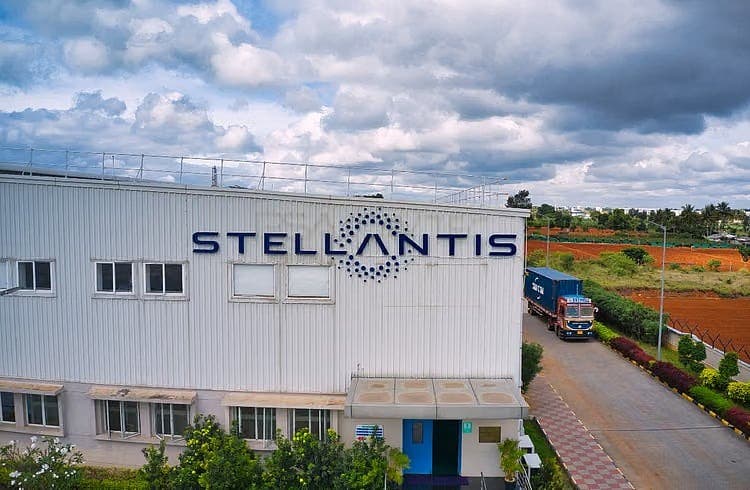
The expansion will also support exports, which already connect the Tamil Nadu plant with eight markets across four continents. Stellantis therefore plans to increase the factory’s role in its international operations while serving both Indian customers and overseas markets.
The plant currently assembles the Citroën C3 and ë-C3, along with the C3 Aircross and Basalt. More than 95 percent of components come from local suppliers, reducing reliance on foreign sourcing. Higher production volumes will therefore also affect companies throughout the local supply chain, along with businesses that transport finished vehicles.
Stellantis also plans to more than double the plant’s direct workforce from around 610 employees in 2026. The hiring program will support the production increase planned over the next two years. These figures represent the company’s targets for the factory, while current output remains significantly lower.
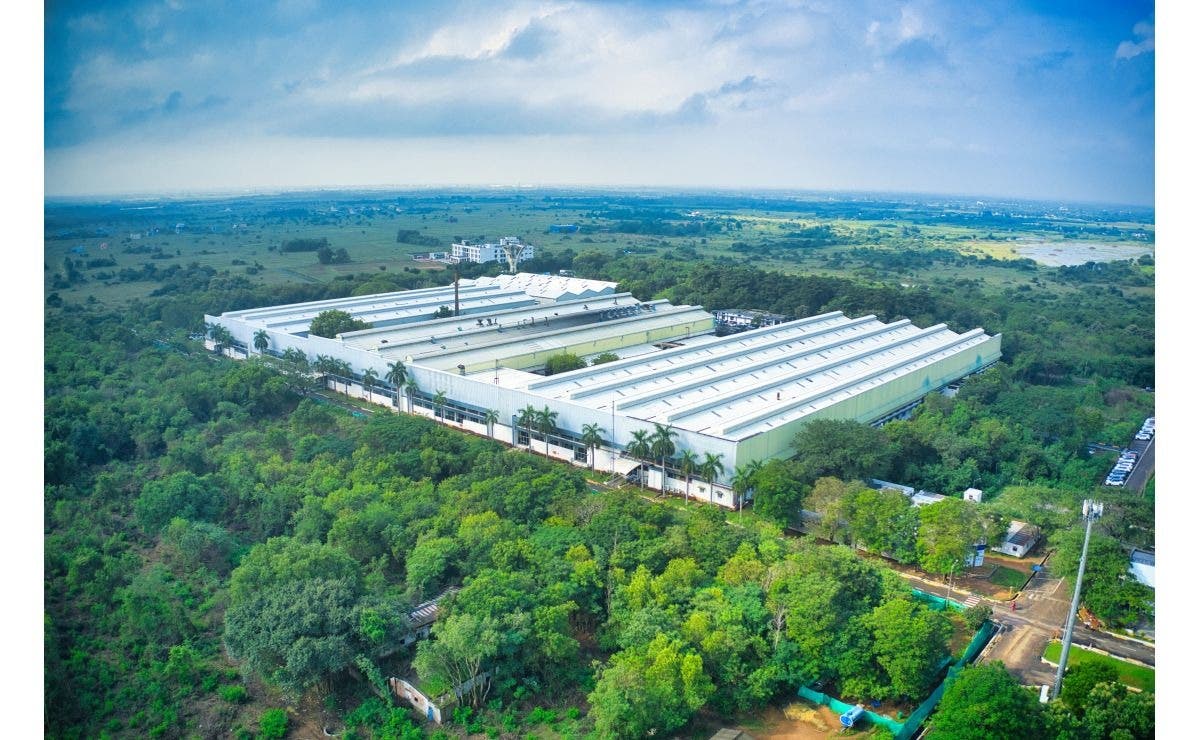
The ownership deal completes a process that started with the 2017 joint venture, followed by the beginning of vehicle assembly in 2021. Stellantis acquired the remaining stake in Stellantis Automobiles India Private Limited, the company that includes the Thiruvallur plant. Full ownership will allow the group to make decisions about the site’s future development directly.
Shailesh Hazela, CEO of Stellantis India, says the new structure will help the company respond more quickly to changing market needs. Full control should also make it easier to coordinate the factory’s expansion with Stellantis’ other activities across India.
Stellantis has invested around 110 billion rupees in India, equivalent to roughly $1.15 billion at the current exchange rate, covering areas such as engineering and the development of the local supply chain. That figure represents the group’s total investment in the country over time rather than the amount paid to acquire its partner’s remaining stake.
The next phase will focus on hiring more workers and increasing production until the plant reaches the volumes targeted for 2028.