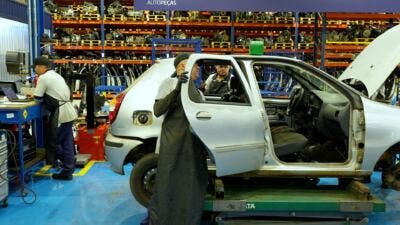
More than 11,000 components recovered from dismantled vehicles have already returned to the market through Stellantis’ Circular AutoPeças center in Osasco, Brazil. During its first year, the facility processed 1,150 vehicles and recovered more than 20,000 parts, helping Stellantis build a supply of used components with traceable origins.
Stellantis sells more than 11,000 recovered auto parts in Brazil in one year
The operation allows the company to recover parts that remain usable even when the vehicle itself can no longer stay on the road. Workers separate those components and prepare them for sale, while materials that cannot return to service follow dedicated treatment and recycling processes. Customers can then purchase second-hand parts through sales channels connected to the program.
The Osasco facility includes a physical retail location and also uses digital sales channels. The commercial process follows local traceability requirements, allowing Stellantis to document where each recovered part came from. From the start, the company planned to sell components both directly to consumers and online.
During its first year, the operation also handled around 862 tons of materials and nearly 14,000 liters of automotive fluids. That total included more than 4,600 liters of oil and around 1,830 liters of coolant, both of which require separate handling during vehicle dismantling.
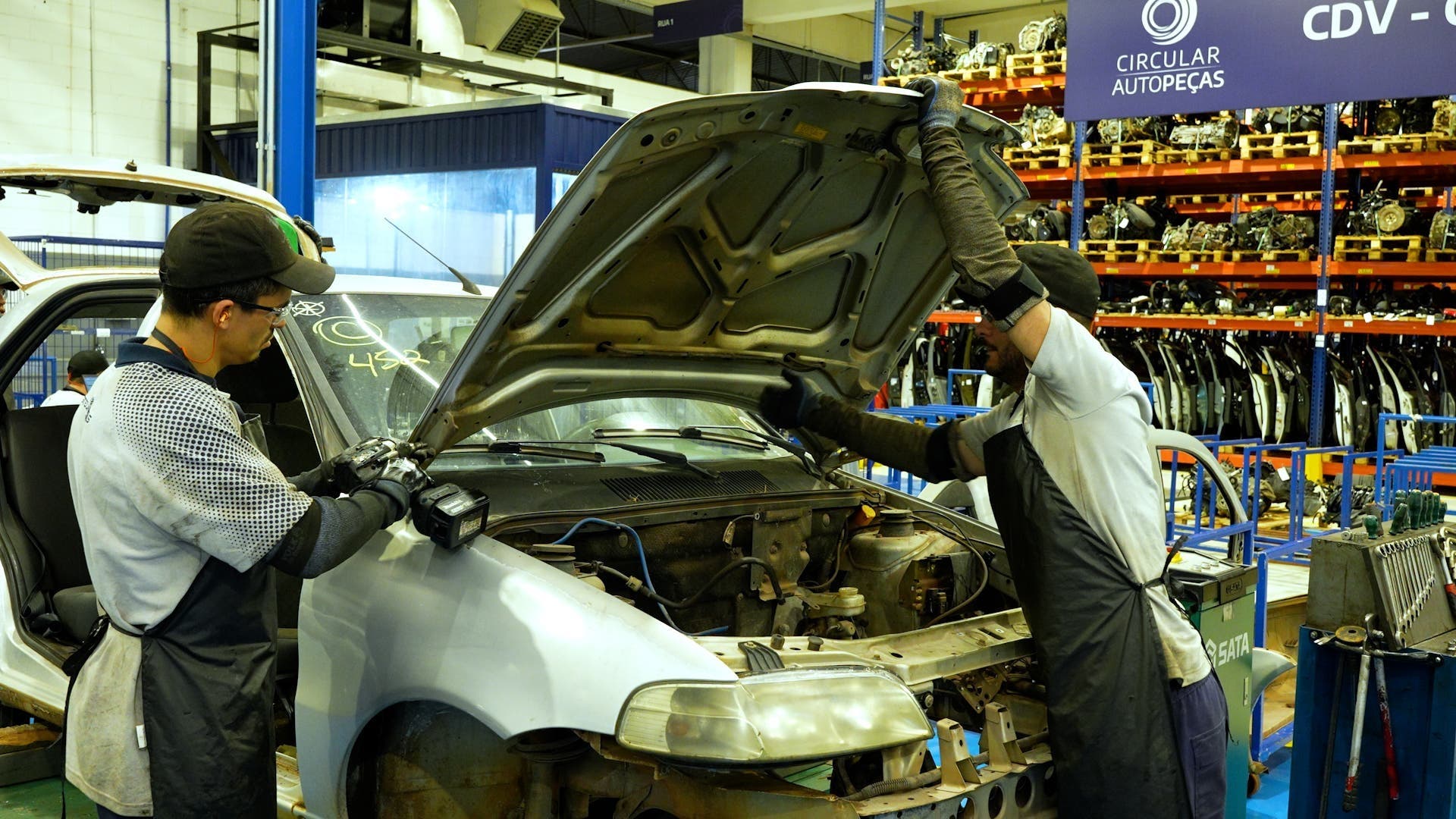
Stellantis estimates that reusing a component can reduce raw-material consumption by up to 80 percent and CO₂ emissions by up to 50 percent compared with producing an equivalent new part. Those figures refer specifically to the benefits of component reuse and should not be confused with the overall environmental footprint of the facility.
The Brazilian operation also connects with Stellantis’ activities in Italy. The group opened its first dismantling center in Mirafiori, while Osasco became the first facility of its kind in South America directly managed by an automaker. Stellantis is therefore expanding a business model it had already introduced in Turin.
The South American program also includes vehicle reconditioning in Betim, where more than 500 cars have returned to service in just over three years. Osasco still has significant room to grow, since the facility can process up to 8,000 vehicles per year. The next steps will focus on recovering more parts and expanding the sales channels available to customers.